
Electrical systems are an essential part of nearly every commercial and industrial workplace. Lighting, equipment, machinery, control systems, outlets, panels, and other electrical components all need to operate safely and reliably.
That makes electrical workplace safety more than simply responding to an electrical problem after something goes wrong. Regular maintenance, appropriate inspections, employee awareness, professional repairs, and emergency preparedness can all contribute to a safer working environment.
For businesses in St. Charles County and the surrounding St. Louis area, having a qualified electrical contractor available can also help identify electrical concerns before they become larger problems.
What Is Electrical Workplace Safety?
Electrical workplace safety involves the practices used to reduce electrical hazards and keep electrical systems operating properly.
Depending on the facility, this may involve:
- Routine electrical maintenance
- Inspection of electrical equipment and systems
- Prompt repair of damaged components
- Proper use of electrical equipment
- Identifying potential electrical hazards
- Maintaining electrical panels and connections
- Addressing overloaded or damaged circuits
- Keeping work areas around electrical equipment accessible
- Employee safety awareness
- Emergency preparedness
The specific safety requirements for a workplace depend on the type of facility, equipment, electrical systems, and work being performed.
Why Does Electrical Safety Matter for Businesses?
Electrical problems can affect more than the electrical system itself.
A malfunctioning component can interrupt operations, damage equipment, create an unsafe condition, or require unexpected repairs. In commercial and industrial environments, an electrical issue may also affect production, lighting, controls, machinery, or other essential systems.
Preventive attention can help businesses identify concerns before they develop into more disruptive problems.
Electrical safety should therefore be considered part of an organization’s broader approach to maintaining its facility and equipment.
What Are Common Electrical Hazards in the Workplace?
Electrical hazards can vary considerably between workplaces, but several issues deserve attention.
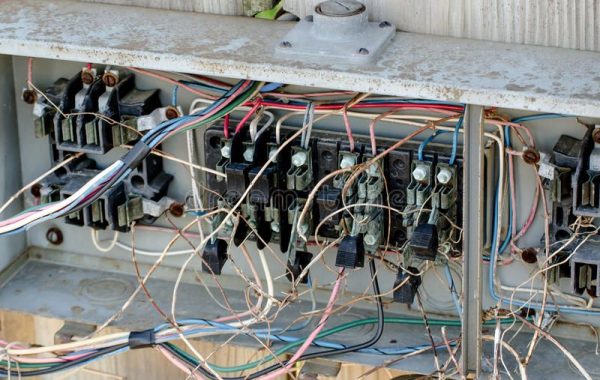
Damaged Wiring and Components
Frayed wiring, damaged insulation, loose connections, broken outlets, or deteriorating electrical components should not be ignored.
A damaged component may indicate a localized problem or a larger issue within the electrical system.
Overloaded Circuits
Connecting too much equipment to a circuit can create problems with electrical capacity and system performance.
Businesses that add equipment or change how a space is used should have the electrical system evaluated when appropriate.
Improper Repairs
Temporary fixes or repairs performed without the appropriate knowledge can create additional hazards.
Electrical work should be performed by qualified professionals who understand the system and the applicable requirements.
Electrical Panel Problems
Electrical panels are an important part of a building’s electrical distribution system. Signs of trouble may include unusual heat, burning odors, repeated breaker trips, visible damage, or other abnormal conditions.
These issues should be evaluated rather than repeatedly reset or ignored.
Poor Maintenance
Electrical systems require ongoing attention. A facility that has not had its electrical equipment maintained or evaluated for an extended period may have problems that are not immediately visible.
Why Is Electrical Maintenance Important?
Electrical maintenance helps businesses keep systems functioning properly and provides opportunities to identify developing problems.
Depending on the facility, maintenance may include evaluating:
- Electrical panels
- Wiring
- Lighting
- Switches and outlets
- Equipment connections
- Control systems
- Electrical distribution
- Other electrical components
Maintenance requirements can differ substantially between a small commercial building and an industrial facility.
The goal is not simply to fix whatever has already failed. Maintenance can help businesses understand the condition of their electrical systems and address concerns before they result in more significant disruption.
When Should a Business Have Its Electrical System Evaluated?
There are several situations when an electrical evaluation may be appropriate.
- Frequent breaker trips
- Flickering or inconsistent lighting
- Burning odors
- Warm or discolored outlets
- Damaged wiring
- Unusual electrical noises
- Equipment that repeatedly loses power
- Outdated or damaged electrical components
- Electrical problems after renovations
- Plans to add significant equipment
Businesses should also consider an electrical evaluation when expanding, remodeling, changing equipment, or significantly changing how a facility is used.
Adding electrical loads without considering the existing system can create problems later.
Electrical Safety Is Especially Important in Industrial Facilities
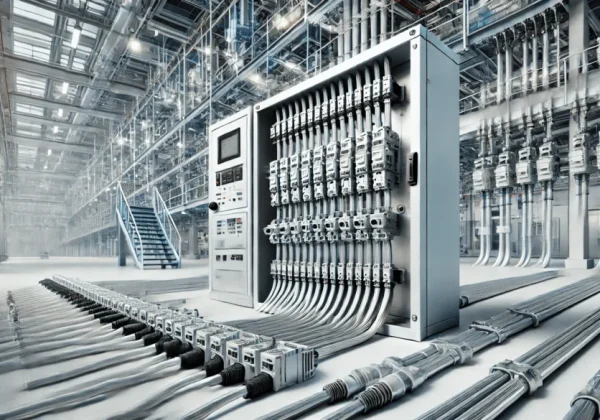
Industrial environments can have more complex electrical requirements because of machinery, production equipment, controls, motors, and other systems.
Electrical control systems may also play an important role in how equipment operates.
For these facilities, electrical work requires an understanding of the equipment and the broader system rather than treating every issue as an isolated repair.
Routine maintenance and timely troubleshooting can help businesses maintain reliable electrical operations while addressing potential safety concerns.
What Role Does an Electrical Contractor Play in Workplace Safety?
A qualified electrical contractor can help businesses identify electrical problems, perform repairs, maintain systems, and support electrical projects.
Depending on the facility’s needs, this may include:
- Electrical repairs
- Routine maintenance
- Electrical inspections and evaluations
- Lighting work
- Wiring
- Electrical panel work
- Equipment connections
- Electrical control systems
- Commercial electrical projects
- Industrial electrical projects
- New construction and larger electrical installations
Professional electrical support can be particularly important when a problem involves equipment, distribution systems, controls, or other components that are beyond basic maintenance.
Employee Awareness Matters Too
Electrical safety is not solely the responsibility of the electrical contractor.
Employees should understand basic workplace safety practices relevant to their jobs and know how to report electrical problems.
For example, employees should not ignore damaged cords, unusual electrical odors, exposed wiring, or equipment that appears to be malfunctioning.
A simple report can help bring an issue to the attention of the appropriate person before the problem becomes more serious.
Employees should also know what to do if an electrical emergency occurs and who should be contacted.
Emergency Preparedness Is Part of Workplace Safety
Preventing electrical problems is important, but businesses should also be prepared to respond when an emergency occurs.
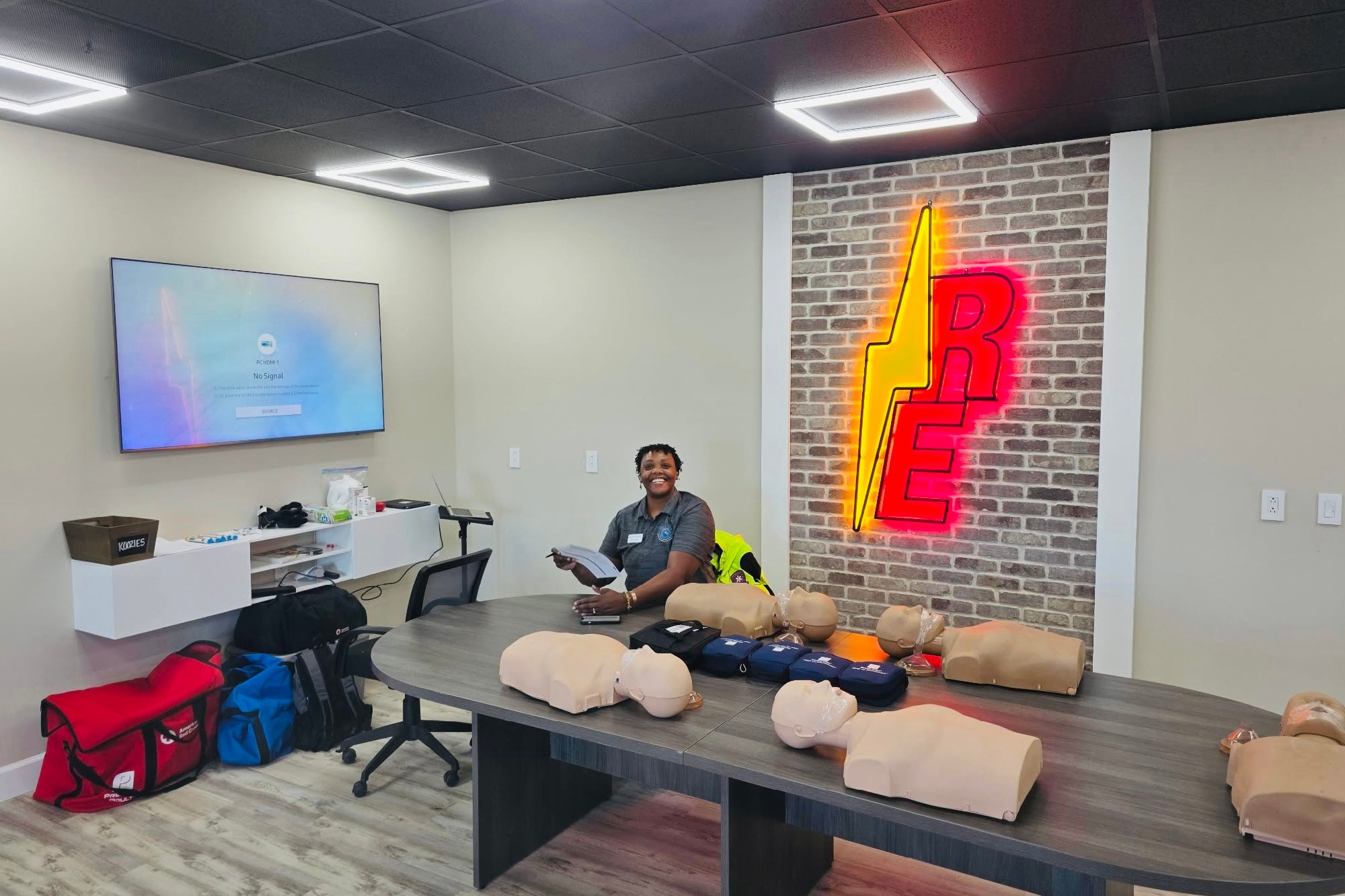
First Aid, CPR, and AED training can provide employees with additional preparation for responding to certain medical emergencies while professional emergency services are contacted.
At Rolwes Electric, our electricians have completed Heartsaver® First Aid CPR AED certification through Gentle Teach.
This training is one example of our broader commitment to preparedness and workplace safety. Electrical professionals may work in commercial, industrial, construction, and other environments where being prepared to respond appropriately during an emergency matters.
Training does not replace professional emergency services or safe electrical practices. It is one additional part of being prepared.
How Can Businesses Improve Electrical Workplace Safety?
Businesses can take several practical steps to support electrical safety.
1. Address Electrical Problems Promptly
Do not ignore recurring electrical problems simply because the system continues to operate.
Repeated breaker trips, flickering lights, unusual odors, damaged components, or equipment problems should be investigated.
2. Keep Up With Maintenance
Regular maintenance can help identify electrical concerns before they become major failures.
The appropriate maintenance schedule depends on the facility and electrical equipment.
3. Use Qualified Electrical Professionals
Electrical repairs, installations, and modifications should be handled by appropriately qualified professionals.
This is especially important for commercial and industrial systems where electrical work may involve complex equipment and controls.
4. Review Electrical Needs Before Expansion
Adding machinery, equipment, lighting, outlets, or other electrical loads can change the demands placed on an existing system.
Businesses should consider their electrical capacity before making significant changes to a facility.
5. Train Employees to Recognize Problems
Employees do not need to diagnose electrical problems themselves. They should know how to recognize warning signs and report them through the appropriate workplace process.
6. Maintain Emergency Preparedness
Businesses should have appropriate emergency procedures and ensure employees know how to respond to emergencies relevant to their workplace.
Electrical Workplace Safety in St. Charles County
Businesses throughout St. Charles County operate in a wide range of commercial and industrial environments.
From offices and retail spaces to warehouses, manufacturing facilities, commercial buildings, and other properties, electrical requirements can vary significantly from one facility to another.
That is why electrical safety should be approached based on the actual building, equipment, electrical system, and operational needs.
A local electrical contractor can provide practical support when a business needs repairs, maintenance, system changes, or larger electrical work.
When Should You Call an Electrician Instead of Handling the Problem Yourself?
Some basic workplace maintenance tasks may be handled internally, but electrical problems should not be treated like ordinary maintenance when there is a risk of shock, fire, equipment damage, or system failure.
Contact an electrical professional when a problem involves wiring, electrical panels, circuits, equipment connections, significant electrical loads, controls, or other electrical components that require specialized knowledge.
If there is an immediate electrical emergency or danger, follow the facility’s emergency procedures and contact the appropriate emergency services.
How Rolwes Electric Supports Commercial and Industrial Electrical Needs
Rolwes Electric provides electrical services for commercial and industrial customers in the greater St. Charles County area.
Our work includes electrical repairs, routine maintenance, larger construction projects, and electrical control systems.
We approach each project based on the property’s electrical requirements rather than assuming that every facility needs the same solution.
Whether a business needs help troubleshooting an electrical problem, maintaining an existing system, or planning a larger project, professional electrical support can help keep the work moving safely and efficiently.
Building a Safer Electrical Environment
Electrical workplace safety is not one single task. It involves maintaining equipment, addressing problems, using qualified professionals, educating employees, and being prepared to respond when an emergency occurs.
For St. Charles County businesses, taking electrical concerns seriously can help protect employees, equipment, operations, and the facility itself.
If your commercial or industrial property needs electrical repairs, maintenance, system improvements, or a larger electrical project, contact Rolwes Electric to discuss your electrical needs.
Frequently Asked Questions About Electrical Workplace Safety
What is the most important part of electrical workplace safety?
There is no single step that addresses every electrical hazard. Safe practices include proper maintenance, identifying hazards, addressing electrical problems promptly, using qualified professionals, and providing employees with appropriate safety information.
What are common signs of an electrical problem?
Warning signs can include frequent breaker trips, flickering lights, burning odors, damaged wiring, warm outlets, unusual electrical sounds, or equipment that repeatedly loses power.
How often should a commercial electrical system be inspected?
The appropriate frequency depends on the facility, equipment, system condition, and applicable requirements. Businesses should also have electrical systems evaluated when they experience problems or make significant changes to their facility or equipment.
Can businesses add new equipment without upgrading their electrical system?
Not always. New equipment can increase electrical demand, and the existing system may need to be evaluated before additional loads are added.
Why is electrical maintenance important for industrial facilities?
Industrial facilities may have complex electrical systems involving machinery, controls, motors, and production equipment. Routine maintenance can help identify problems and support reliable system operation.
Does employee CPR training replace electrical safety training?
No. CPR and First Aid training addresses emergency response, while electrical safety training and qualified electrical work address electrical hazards. They serve different purposes and can both contribute to overall workplace preparedness.
When should a business call an electrician?
Businesses should contact an electrician for electrical problems involving wiring, panels, circuits, equipment connections, controls, significant electrical loads, repairs, installations, or other work requiring specialized electrical knowledge.