
For most commercial and industrial facilities, electricity is one of the biggest line items that never goes away. Lighting, motors, climate equipment, and production machinery all draw power every day, and small inefficiencies add up quickly across a large building. The good news is that much of that waste can be found and fixed. Commercial energy efficiency starts with understanding how power actually moves through your facility, and a commercial electrician is the person best placed to show you.
Here are the places where businesses most often lose energy, and what an electrical contractor can do about each one.
Start with a look at the whole system
Before spending money on upgrades, it helps to know where the waste is. An electrician can walk your facility, review panels and circuits, look at how loads are distributed, and note equipment that is old, overworked, or running when it does not need to be. The result is a short list of priorities instead of guesses, so you can put budget toward changes that make a real difference.
This review also catches safety issues. Overloaded circuits and loose connections waste energy as heat, and they are the same problems that lead to equipment damage and fire risk.
A facility review usually looks at:
- Panel and breaker condition, including signs of heat, corrosion, or overloaded circuits
- Lighting types, hours of use, and areas lit when no one is there
- Motors, compressors, and other large loads, and how they are controlled
- Power use patterns across shifts, weekends, and seasons
- Any equipment that trips, hums, or runs hot
You should leave with a written list of findings, ranked by cost, impact, and urgency. Some items will be quick fixes, such as a failed sensor or a loose connection. Others, like a panel upgrade or lighting retrofit, are projects you can plan and budget for over time.
Lighting is often the easiest win
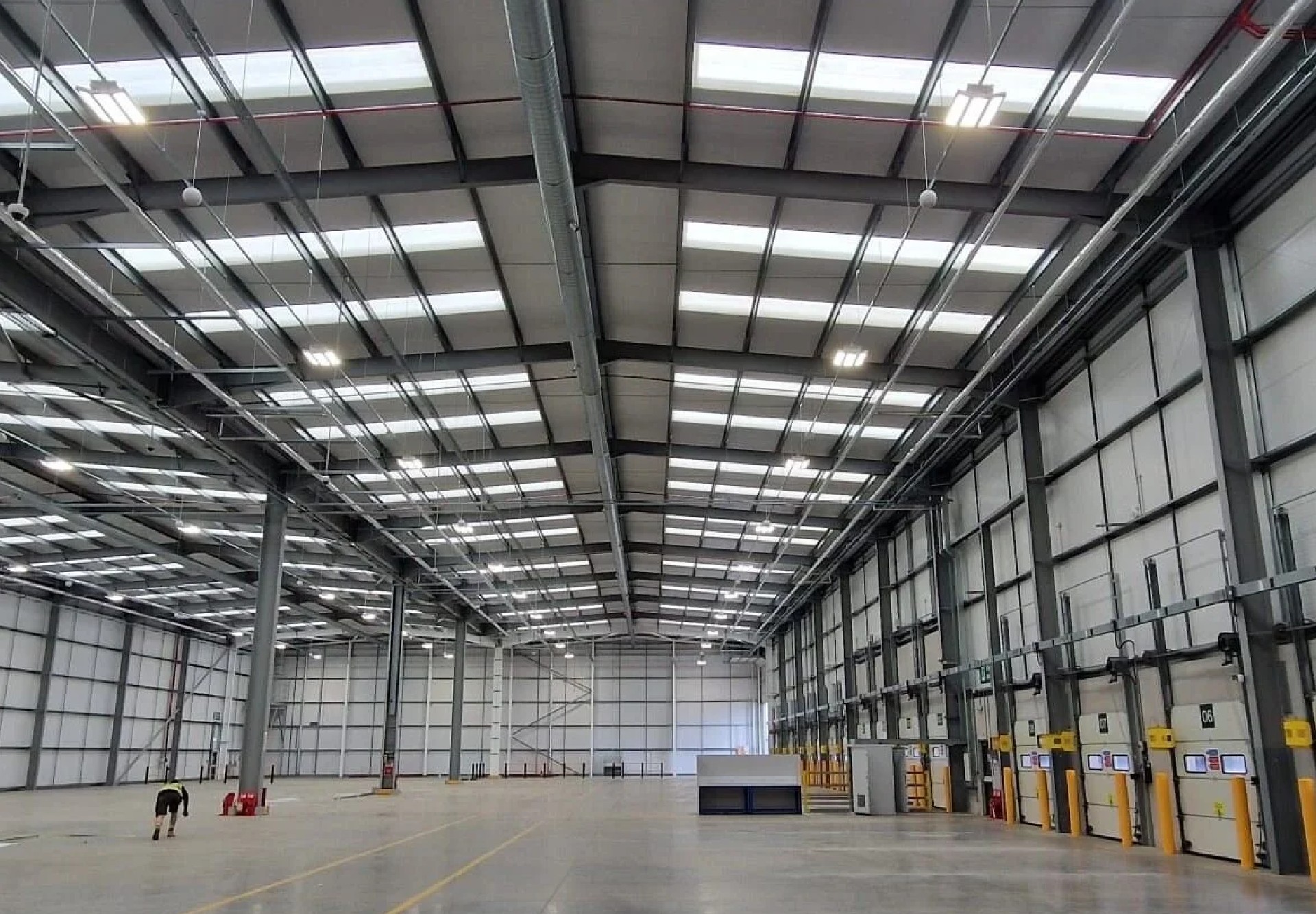
Older fluorescent and metal halide fixtures use more power, put out more heat, and need more frequent replacement than modern LED fixtures. In warehouses, shops, and large offices, lighting runs for long hours, so the savings from a retrofit can be significant.
A good lighting upgrade is more than swapping bulbs. An electrician can match fixtures to each space, add occupancy sensors or timers where lights are left on in empty areas, and make sure the wiring and controls are set up correctly. Better lighting also improves visibility and safety on the floor.
Lighting controls often deliver as much value as the fixtures themselves. Occupancy sensors in storage rooms and restrooms, timers on exterior and parking lot lights, and dimming or zoning in large open areas keep lights from running when they are not needed. Photocells can switch exterior lighting based on daylight. A retrofit is also a good time to confirm that emergency and exit lighting still works and meets code.
Before you commit, ask your electric utility whether it offers incentive programs for lighting or equipment upgrades. Programs and eligibility vary, so check current terms before you buy.
Motors and heavy equipment
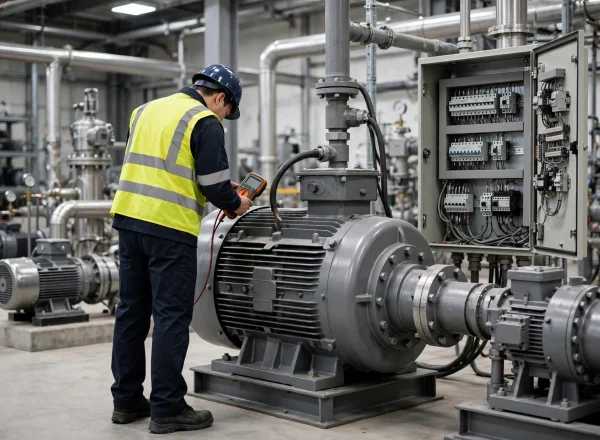
In industrial settings, motors, pumps, fans, and compressors often account for a large share of power use. Worn components and poor connections make them draw more current than they should. Regular electrical maintenance keeps them running cleanly, and in some applications, motor controls such as variable frequency drives let equipment run at the speed the job actually needs instead of at full output all the time.
An electrician can tell you whether upgrading controls makes sense for your equipment and install them safely.
Not every motor needs a new drive. Equipment that runs at a steady load all day gains little from speed control, while fans and pumps whose demand rises and falls often gain the most. Soft starters can also reduce the strain of starting large motors. An electrician can check connections, measure current draw, and help you decide which equipment is worth upgrading first.
Routine checks matter too. Loose terminals, worn insulation, and failing contactors all add resistance and heat, and they tend to show up before a motor fails outright.
Find hidden problems with thermal imaging
Hot spots are a warning sign. A connection that is loose or failing resists current, wastes energy as heat, and can eventually cause an outage. Thermal imaging lets an electrician see these problems in energized equipment without shutting it down. It is a practical way to catch trouble early and schedule repairs on your terms. Learn more on our thermal imaging page.
Thermal scans are most useful on a regular schedule, with results recorded so you can compare readings over time. Areas worth checking include main switchgear, distribution panels, disconnects, motor control centers, and large equipment connections. When a hot spot turns up, the repair is often simple, such as tightening or replacing a connection, and finding it during a scan is far better than finding it after a shutdown.
Panels, wiring, and power distribution
Aging panels and unbalanced loads make a system work harder than it should. Rebalancing circuits, replacing worn breakers, and upgrading panels that have been outgrown by new equipment all improve reliability. They also give you room to add equipment later without overloading the system.
Growth is a common reason panels become a problem. New machinery, added tenants, or an expanded floor plan all add load, and a panel that handled yesterday’s setup may now be close to its limit. An electrician can calculate your existing load, tell you how much room is left, and plan an upgrade before you hit it. That is much easier than squeezing new equipment onto an overloaded system.
Worn breakers, scorched bus bars, and brittle wiring insulation are also worth replacing proactively, since they are both safety risks and sources of wasted energy.
Use data to keep improving
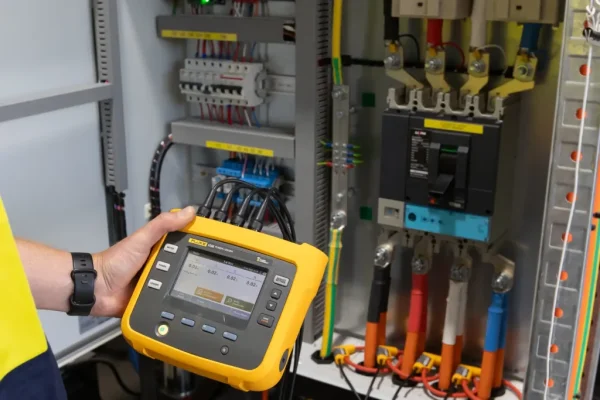
Monitoring equipment can show how much power different parts of the facility use and when. That makes it easier to spot unexpected spikes, find equipment that is failing, and shift heavy loads to better times of day.
Even simple sub-metering on key circuits can show you things your monthly bill never will.
You do not need a full building automation system to start. Many facilities begin with metering on their largest loads, such as compressors, HVAC units, or a production line, and expand from there. Comparing usage before and after an upgrade also shows whether a project did what you expected.
Do not forget daily habits
Upgrades work best alongside simple routines. Shutting down idle equipment, keeping doors and docks closed, and reporting flickering lights or warm panels all help. When employees know what to watch for, problems get reported sooner.
A short checklist posted near equipment helps: power down idle machines at the end of a shift, report warm outlets or panels, and keep ventilation and air intake areas clear. Small routines keep electrical systems healthy and stop your efficiency work from slipping.
Where to start
The right first step depends on your building. This table shows where each common upgrade fits best.
Upgrade | Best for | Typical effort |
Thermal imaging scan | Finding hidden hot spots before they fail | Low |
LED lighting and controls | Facilities with long lighting hours | Low to medium |
Panel and circuit review | Buildings adding equipment or seeing breaker trips | Medium |
Motor controls and maintenance | Industrial sites with large fans, pumps, or compressors | Medium to high |
Sub-metering and monitoring | Tracking results and spotting spikes | Medium |
Common questions
How do I know if my facility is wasting electricity?
Warning signs include breakers that trip repeatedly, warm panels or outlets, flickering lights, motors that run hot, and utility bills that rise without a change in operations. A facility review confirms where the waste is.
What should I upgrade first?
Start with whatever the review shows has the best payoff and the least disruption. For many facilities that is a thermal scan and a lighting retrofit, followed by panel or motor work.
Will upgrades interrupt my operations?
Planned work can usually be scheduled around your hours, done in phases, or completed after hours. Tell your electrician how much downtime you can tolerate before the project starts.
How often should a commercial building have its electrical system inspected?
The right schedule depends on the building, its equipment, and local requirements. Ask your electrician to recommend a routine for your facility.
Work with a local commercial electrician
Efficiency projects go better when the electrician understands your building, your schedule, and local code requirements. Rolwes Electric is based in Wentzville and serves commercial and industrial customers in O’Fallon, St. Peters, Lincoln County, Warren County, and the surrounding area. We can help you find where your facility is losing power and plan upgrades that fit your operation.