
Thermal Imaging
Electrical Thermal Studies
Electrical Thermal Imaging Studies for Commercial & Industrial Facilities
Identify Hidden Electrical Risks Before They Cause Problems
Reliable electrical systems are essential for keeping commercial and industrial facilities operating smoothly. Many electrical issues start with excessive heat long before there are visible signs — and when they go undetected, they can lead to costly downtime, safety hazards, and emergency repairs.
At Rolwes Electric, we offer professional electrical thermal imaging inspections using advanced Fluke infrared cameras. These inspections help you uncover overheating connections and abnormal temperatures under real operating conditions, so you can address issues proactively and keep your operations running safely and efficiently.
Benefits of Thermal Imaging for Your Facility
Identify overheating connections, breakers, and conductors early — before failure
Reduce unplanned outages and emergency shutdowns
Support your preventive maintenance and insurance compliance efforts
Shift your facility from preventive maintenance to predictive condition monitoring
Increase electrical safety awareness and arc-flash risk management
Plan repairs on your schedule — not in response to a crisis


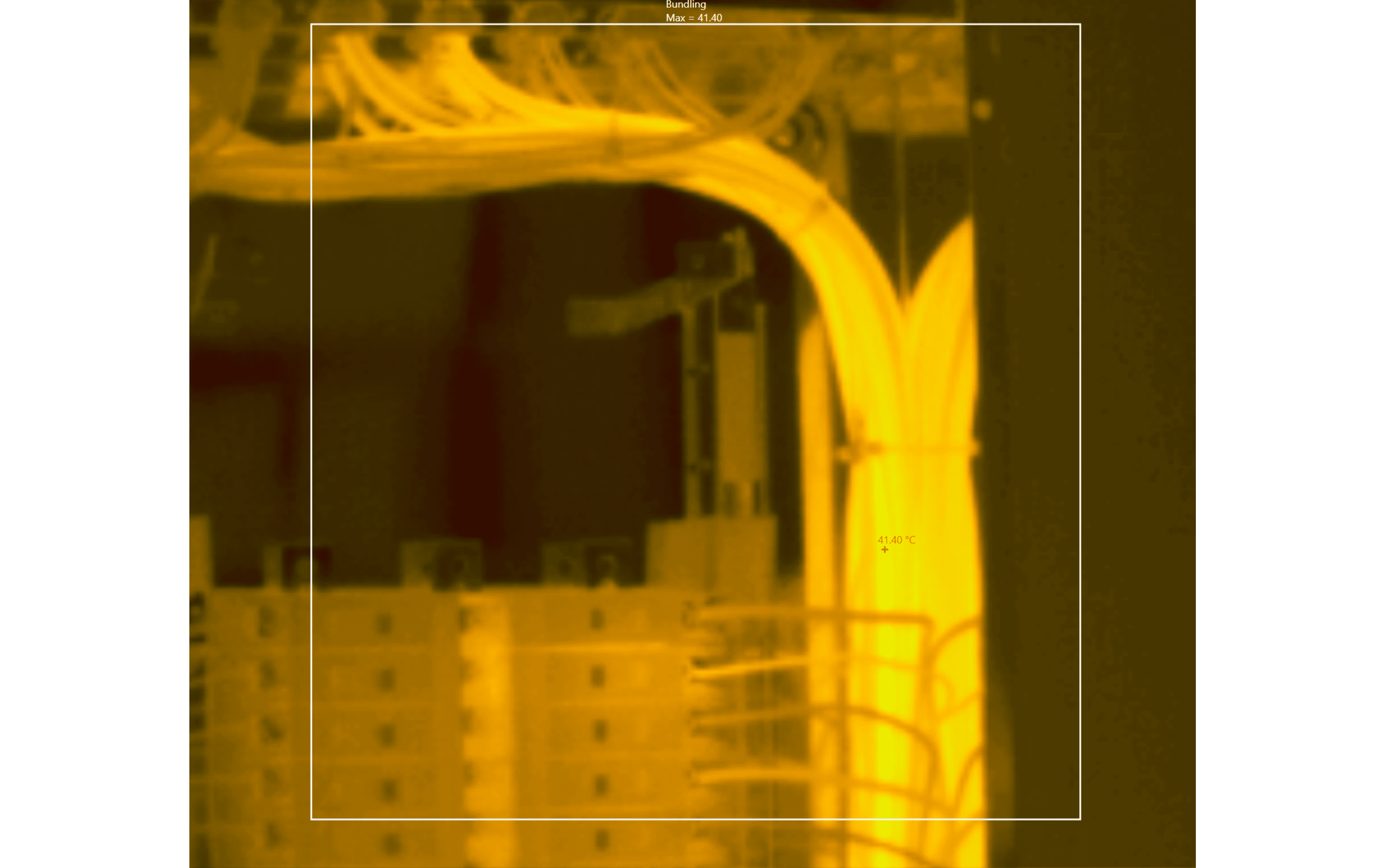
What We Inspect
We check all major electrical components under load to find hidden heat-related issues:
Switchgear and switchboards
Panelboards and distribution equipment
Transformers and disconnects
Motor control centers (MCCs)
Critical electrical connections
How Electrical Thermal Imaging Inspections Work
Electrical thermal imaging uses an infrared camera to identify temperature patterns on accessible electrical equipment. Instead of relying only on a visual inspection, thermography helps identify abnormal heat that may indicate a developing electrical problem.
At Rolwes Electric, our inspections use Fluke infrared cameras to evaluate electrical equipment under operating conditions. When an unusual temperature pattern appears, it can help identify an area that needs further investigation by a qualified electrical professional.
1. Inspect Electrical Equipment
We examine accessible electrical distribution equipment and components within the agreed inspection scope, including switchgear, panelboards, transformers, disconnects, and motor control centers.
2. Identify Unusual Temperature Patterns
We look for temperature differences and abnormal heat patterns that may be associated with loose connections, overloaded circuits, phase imbalances, or other electrical issues, helping identify potential risks early and prevent unexpected equipment failures.
3. Document Findings
Temperature readings and thermal images help document areas of concern. Our inspection reporting provides information that can help facility managers and maintenance teams understand which components may need additional evaluation.
4. Plan the Next Steps
When an inspection identifies a potential issue, the findings can guide further troubleshooting and repair planning. Rolwes Electric can also help address identified electrical problems, depending on the scope of work required.
Electrical Problems Thermal Imaging Can Help Identify
Electrical equipment naturally generates heat during operation. The concern is abnormal heating or temperature differences that may indicate a developing problem.
An electrical thermal imaging inspection can help identify patterns associated with:
- Loose or deteriorating connections: Increased electrical resistance can produce abnormal heat at terminals and connection points.
- Overloaded circuits: Excessive current can contribute to elevated temperatures in conductors and electrical components.
- Uneven phase loading: Temperature differences across comparable components may indicate an imbalance that needs further investigation.
- Overheating breakers and electrical distribution components: Unusual temperatures can signal a condition that warrants additional testing.
- Potential equipment deterioration: Abnormal thermal patterns may help maintenance teams identify components requiring closer inspection.
Thermal imaging is a diagnostic tool, not a guarantee that every electrical defect will be detected. Findings must be interpreted in context and may require additional electrical testing to determine the underlying cause.
When Should a Commercial Facility Schedule Thermal Imaging?
The right inspection schedule depends on the facility, the electrical equipment, its operating conditions, and the maintenance program in place.
Commercial and industrial facility managers may consider thermal imaging when:
➜ Planning routine electrical maintenance.
➜ Evaluating critical electrical distribution equipment.
➜ Investigating recurring equipment or electrical performance concerns.
➜ Assessing equipment after significant changes to electrical loads or operations.
➜ Documenting equipment condition to support maintenance planning.
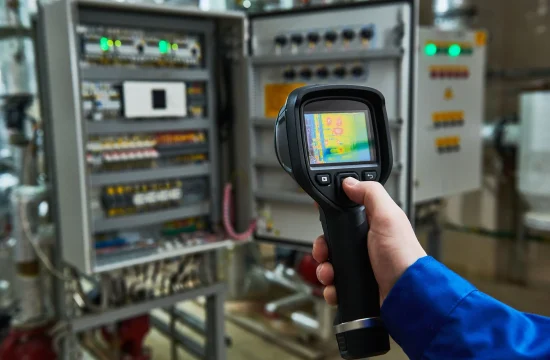
What Happens After a Thermal Imaging Inspection?
Identifying a potential problem is only part of the process. The next step is understanding its significance and determining whether further testing or corrective work is needed.
Inspection findings can help maintenance teams prioritize follow-up work, plan repairs, and document equipment condition for future comparison. Where appropriate, Rolwes Electric can provide electrical repair services to address issues identified during an inspection.
Thermal imaging does not replace all other electrical testing or maintenance activities, and an inspection alone does not certify that an electrical system is safe or compliant with every applicable requirement.
Why Choose Us
- Licensed and Insured
- Level 1 Certified Thermography
- Inspections Performed Using Fluke Infrared Cameras with Temperature Reporting
- Evaluations Conducted Under Real Operating Conditions
- Clear, Easy-to-Understand Reports with Actionable Recommendations
- A Single Contractor That Can Both Identify Issues and Perform Necessary Repairs
Electrical Thermal Imaging FAQs
What is electrical thermal imaging?
Electrical thermal imaging is an inspection method that uses an infrared camera to identify temperature patterns on electrical equipment. Unusual heat can indicate a potential electrical issue that requires further investigation.
What electrical equipment can be inspected with thermal imaging?
Depending on accessibility and the agreed inspection scope, equipment may include switchgear, switchboards, panelboards, transformers, disconnects, motor control centers, breakers, and electrical connections.
Does electrical thermal imaging require equipment to be operating?
Thermal imaging is generally most useful when equipment is operating under representative electrical loads because some problems only become apparent when current is flowing. The inspection conditions depend on the equipment, accessibility, safety procedures, and applicable maintenance requirements.
Can thermal imaging detect every electrical problem?
No. Thermal imaging identifies temperature patterns, not every possible electrical defect. Some issues may not produce a detectable temperature difference and may require other testing methods.
How often should electrical thermal imaging be performed?
The appropriate frequency depends on equipment condition, operating environment, criticality, maintenance history, and applicable requirements. Facility managers should establish inspection intervals through their electrical maintenance program rather than assume one schedule suits every facility.
Does Rolwes Electric provide repairs after identifying an electrical issue?
Rolwes Electric provides commercial and industrial electrical services, including troubleshooting, repairs, and maintenance. The appropriate corrective work depends on the inspection findings and the specific equipment involved.
Where does Rolwes Electric provide thermal imaging services?
Rolwes Electric is based in Wentzville, Missouri, and serves the greater St. Charles County area. Contact our team to discuss thermal imaging needs at your commercial or industrial facility.
Precise Thermal Imaging Inspections for Commercial Facilities
Electrical faults, overheating equipment, and hidden energy loss rarely show themselves until it’s too late. Our Level 1 certified thermographers use Fluke infrared cameras to catch these issues early, evaluating your systems under real operating conditions and reporting exact temperature readings you can act on.