
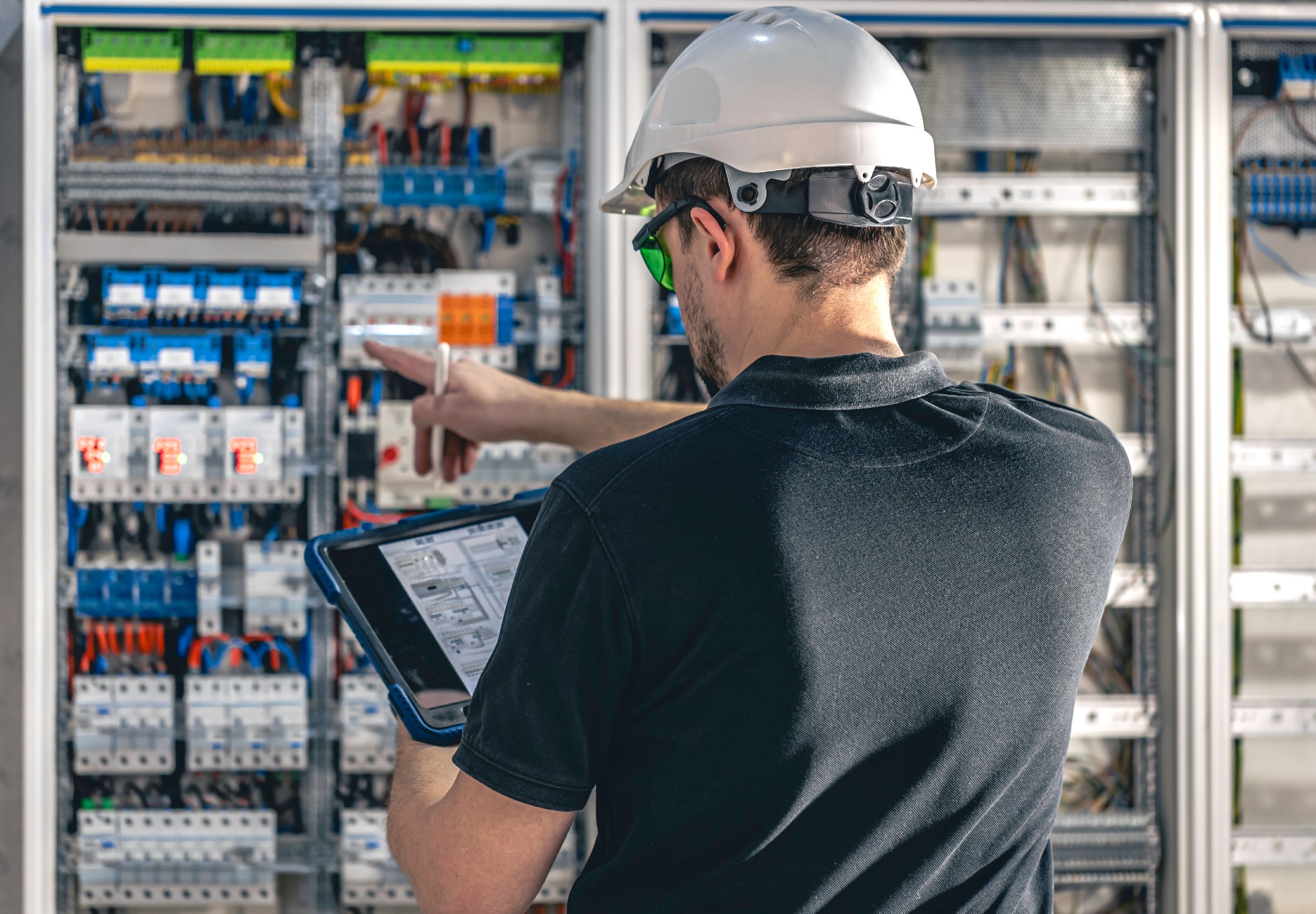
Power keeps a business running. Lights, machines, HVAC, security systems, and data equipment all depend on it. But what do commercial electrical services actually cover? Whether you manage a warehouse, a retail space, or a manufacturing plant, knowing your options helps you plan smarter and avoid costly downtime. Let’s walk through it.
What Commercial Electrical Services Cover
Commercial electrical services go well beyond swapping a switch. They include design, installation, repair, maintenance, and upgrades for business and industrial properties. Common services include:
- Electrical Repairs and Troubleshooting: Finding and fixing faulty wiring, tripped breakers, and failing equipment circuits.
- Lighting Installation and Retrofits: Interior, exterior, and parking lot lighting, including energy-efficient LED upgrades.
- Panel and Switchgear Upgrades: Replacing outdated equipment to handle higher loads safely.
- Industrial and Machinery Wiring: Power for production lines, motors, and specialty equipment.
- Tenant Build-Outs and Renovations: New wiring and layouts for new or remodeled spaces.
- Thermal Imaging Inspections: Spotting hot spots and failing components before they cause an outage.
- Backup Power and Generators: Keeping critical systems online when the grid goes down.
Each service protects your people, your equipment, and your uptime. An upgraded panel, for example, can prevent overloads that shut down operations. A thermal imaging inspection can catch a loose connection long before it becomes a fire risk.
Lighting is often the easiest win
Business electrical systems are larger, more complex, and held to stricter standards than residential ones. Mistakes can mean injuries, fines, failed inspections, or days of lost production.
Here is what a qualified commercial electrical contractor brings:
- Code Compliance: Work that meets NEC and local requirements, so inspections go smoothly.
- Safety: Trained crews who follow proper procedures around high-voltage systems.
- Minimal Disruption: Scheduling that works around your hours, shifts, and deadlines.
- Right-Sized Solutions: Systems planned for your current load and future growth.
- Accountability: A team that stands behind the work and supports it after the job.
For a busy facility, hiring a contractor who understands commercial and industrial environments is not a luxury. It is how you protect your operation.
What Affects the Cost of Commercial Electrical Work?
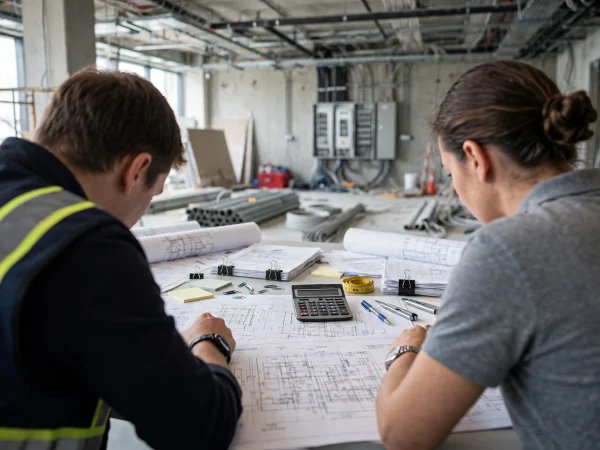
Pricing for business electrical projects varies a lot, and a trustworthy contractor will explain why. The main factors are:
- Scope and Complexity: A single circuit repair is very different from a full facility rewire.
- Materials and Equipment: Switchgear, fixtures, and specialty components affect the total.
- Building Conditions: Older buildings may need extra work to bring systems up to code.
- Scheduling: After-hours work or emergency calls can change the price.
- Permits and Inspections: Required for many commercial projects.
Always ask for a detailed written estimate, and compare scope, not just price. The lowest bid can leave out work you will pay for later. Look for experience with facilities like yours, clear communication, and a solid reputation.
Tips for Maintaining Your Facility's Electrical System
Preventive maintenance is cheaper than unplanned downtime. A few habits go a long way:
- Watch for Warning Signs: Flickering lights, warm panels, buzzing sounds, or burning smells need attention right away.
- Don’t Ignore Repeated Breaker Trips: They usually point to an overloaded or failing circuit.
- Inspect Cords, Outlets, and Equipment: Replace anything damaged or worn.
- Keep Panels Accessible: Clear space around them for safety and fast access.
- Schedule Routine Inspections: Regular professional checks, including thermal imaging, catch problems early.
Small issues rarely stay small. Fixing them early protects your equipment and your schedule.
Planning Your Next Electrical Project
Good planning makes projects smoother and more predictable. Here is how to get started:
- Define Your Goals: More capacity, new lighting, equipment power, or a full build-out?
- Set a Budget and Timeline: Include any hard deadlines like openings or inspections.
- Choose a Licensed Commercial Contractor: Check credentials, references, and past projects.
- Get a Detailed Quote: Make sure the scope is clear before work starts.
- Coordinate the Schedule: Plan around operations to limit downtime.
- Prepare the Site: Clear access to panels, work areas, and equipment.
Clear communication with your electrical contractor is what turns a good plan into a smooth project.
Work With a Commercial Electrical Contractor You Can Trust
Safe, reliable power is the backbone of any business. From repairs and upgrades to inspections and new installations, professional commercial electrical services keep your facility running efficiently and safely.
Rolwes Electric is a commercial and industrial electrical contractor based in Wentzville, MO, serving businesses across St. Charles, Lincoln, and Warren Counties, including O’Fallon and St. Peters. Have a project in mind or an electrical issue that can’t wait? Contact Rolwes Electric today to request a quote.
Frequently Asked Questions
What are commercial electrical services?
Warning signs include breakers that trip repeatedly, warm panels or outlets, flickering lights, motors that run hot, and utility bills that rise without a change in operations. A facility review confirms where the waste is.
How is commercial electrical work different from residential work?
Commercial systems are larger and more complex, and they carry higher loads. They also follow stricter codes. Commercial electricians are trained to work with three-phase power, industrial equipment, and large-scale projects, and to schedule work around your operating hours.
How much do commercial electrical services cost?
Cost depends on the scope of the project, the materials and equipment, the age and condition of the building, permit requirements, and whether the work is after hours or an emergency. Ask for a detailed written estimate and compare the scope of work, not just the price.
What is thermal imaging, and why does my facility need it?
Thermal imaging uses an infrared camera to find hot spots in panels, connections, and equipment. These often point to loose connections or overloaded components, so you can fix them before they cause an outage or a fire.
How often should a commercial electrical system be inspected?
Most facilities benefit from regular professional inspections. The right schedule depends on the age of your equipment, how heavily it is used, and your industry. Inspect right away if you notice flickering lights, repeated breaker trips, or warm panels.
Do you serve businesses outside Wentzville?
Yes. Rolwes Electric serves commercial and industrial customers across St. Charles, Lincoln, and Warren Counties, including O’Fallon and St. Peters.