
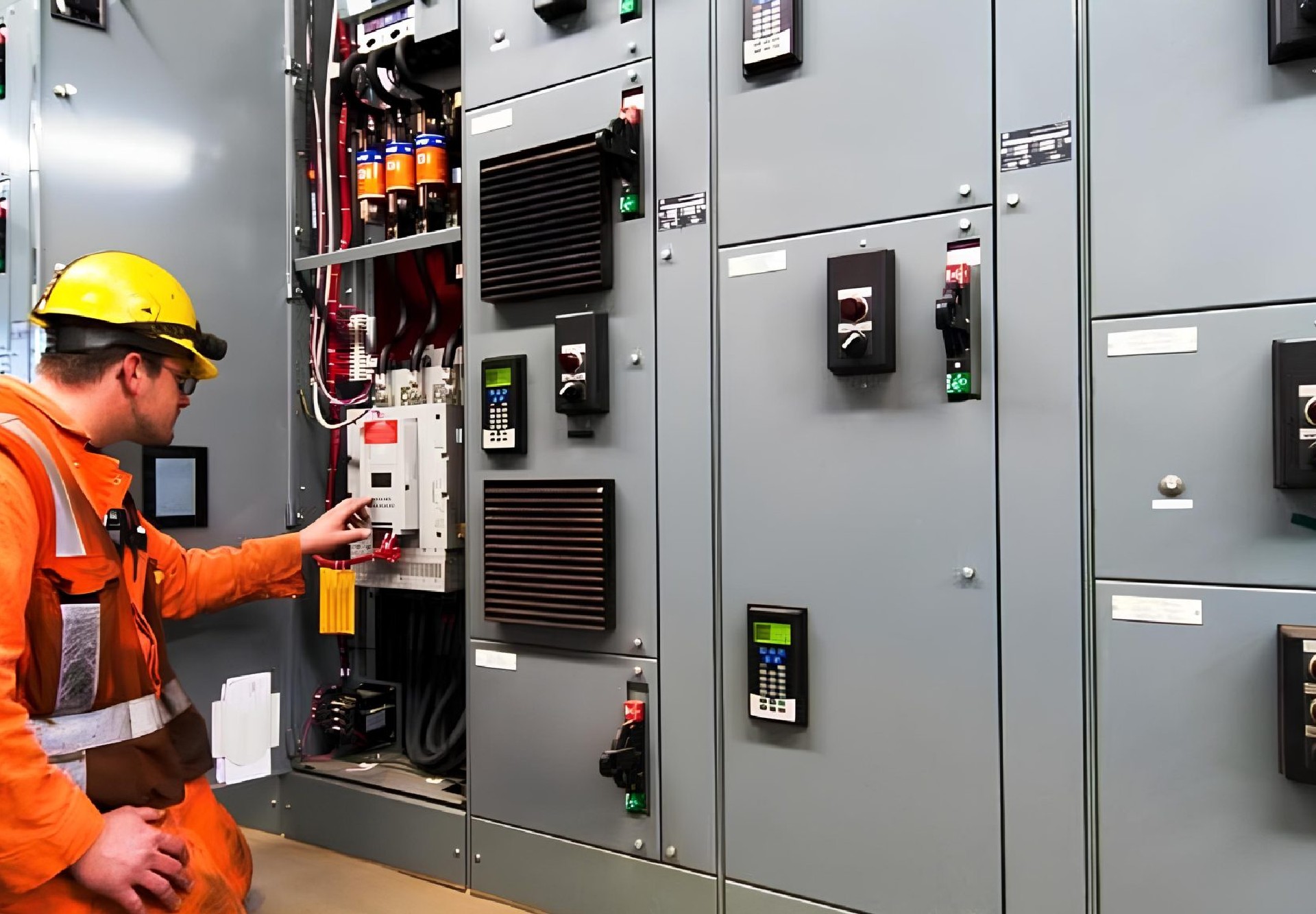
When the power goes out at home, it is an inconvenience. When it goes out at a warehouse, a plant, a clinic, or a retail floor, the clock starts on lost production, spoiled inventory, and idle crews. That gap in consequences is the real reason commercial facilities need an electrician who works on business systems every day, not a general handyman or a contractor who mostly does houses.
Here is what sets commercial electrical work apart, and how to decide who should be responsible for yours.
Commercial electrical systems are a different job
Business buildings run on higher loads and more complex equipment than a home does. Three-phase power, large distribution panels, motor controls, lighting systems across big floor plans, and dedicated circuits for machinery are routine. Industrial sites add heavy equipment, process controls, and strict uptime demands.
That complexity changes how the work gets planned. A commercial electrician has to think about load balancing, code requirements for occupied buildings, coordination with your operating schedule, and how a repair on one circuit affects everything downstream. Mistakes are more expensive and more dangerous at this scale.
What a business electrician actually handles
A good commercial electrical partner covers more than emergency repairs. Typical needs include:
- Troubleshooting and repair of tripping breakers, flickering lights, dead circuits, and equipment that loses power.
- Panel and service upgrades when new machinery, expansions, or added tenants push past what the existing system can carry.
- Lighting retrofits to improve visibility and safety while lowering energy use.
- Tenant buildouts and renovations, including new circuits, outlets, and lighting layouts.
- Preventive maintenance so aging components are found and replaced on your schedule, not during a shutdown.
- Thermal imaging inspections to spot overheating connections and failing components before they cause an outage. You can read more about how this works on our thermal imaging page.
Why planned work beats emergency calls
Most serious electrical failures give warning signs first: warm panels, breakers that trip repeatedly, buzzing, discolored outlets, or lights that dim when equipment starts. Facilities that treat those as low priority tend to pay more later, in repair costs and in downtime.
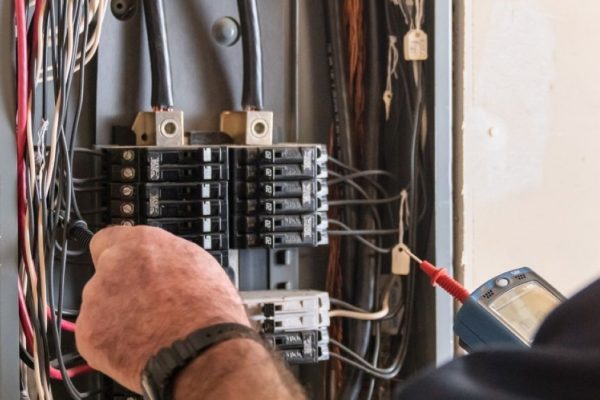
A relationship with a commercial electrician turns that around. Someone who already knows your building can inspect it on a regular schedule, document what they find, and help you budget upgrades instead of reacting to surprises. When something does fail, you are calling a team that already knows where your panels are and how your system is laid out.
Regular maintenance also helps identify aging components and potential electrical issues early, reducing unexpected downtime and costly repairs.
Safety and compliance are not optional
Businesses carry responsibility for the people inside their buildings. Outdated or overloaded systems raise the risk of fire and shock, and code requirements for commercial properties are stricter than for homes. A qualified electrician keeps installations compliant, helps you prepare for inspections, and addresses hazards before they become incidents.
When you vet a contractor, confirm they are licensed and insured for commercial work, and ask for proof. Insurance terms vary between contractors and projects, so ask each company directly about its coverage rather than relying on a general figure.
What to look for in a commercial electrical contractor
Before you hire, ask:
- Do they do commercial and industrial work regularly, or mostly residential?
- Can they respond quickly when your operations are at risk?
- Are their electricians licensed, insured, and properly trained? (Rolwes Electric invests in apprenticeship training; see our careers page.)
- Can they offer both scheduled maintenance and project work?
- Do they communicate clearly about scope, timeline, and cost?
- Can they share references from other business customers?
Why local experience matters
A contractor who works in your area knows the local inspectors, the utility requirements, and the codes your project has to meet. They can also reach your site quickly. Rolwes Electric is based in Wentzville and serves commercial and industrial customers across the region, including O’Fallon, St. Peters, Lincoln County, and Warren County.
Get a second set of eyes on your facility
If your building has aging panels, recurring breaker trips, or growth plans that will add load, now is a good time to have it looked at. Contact Rolwes Electric to talk through your facility and schedule an assessment.