
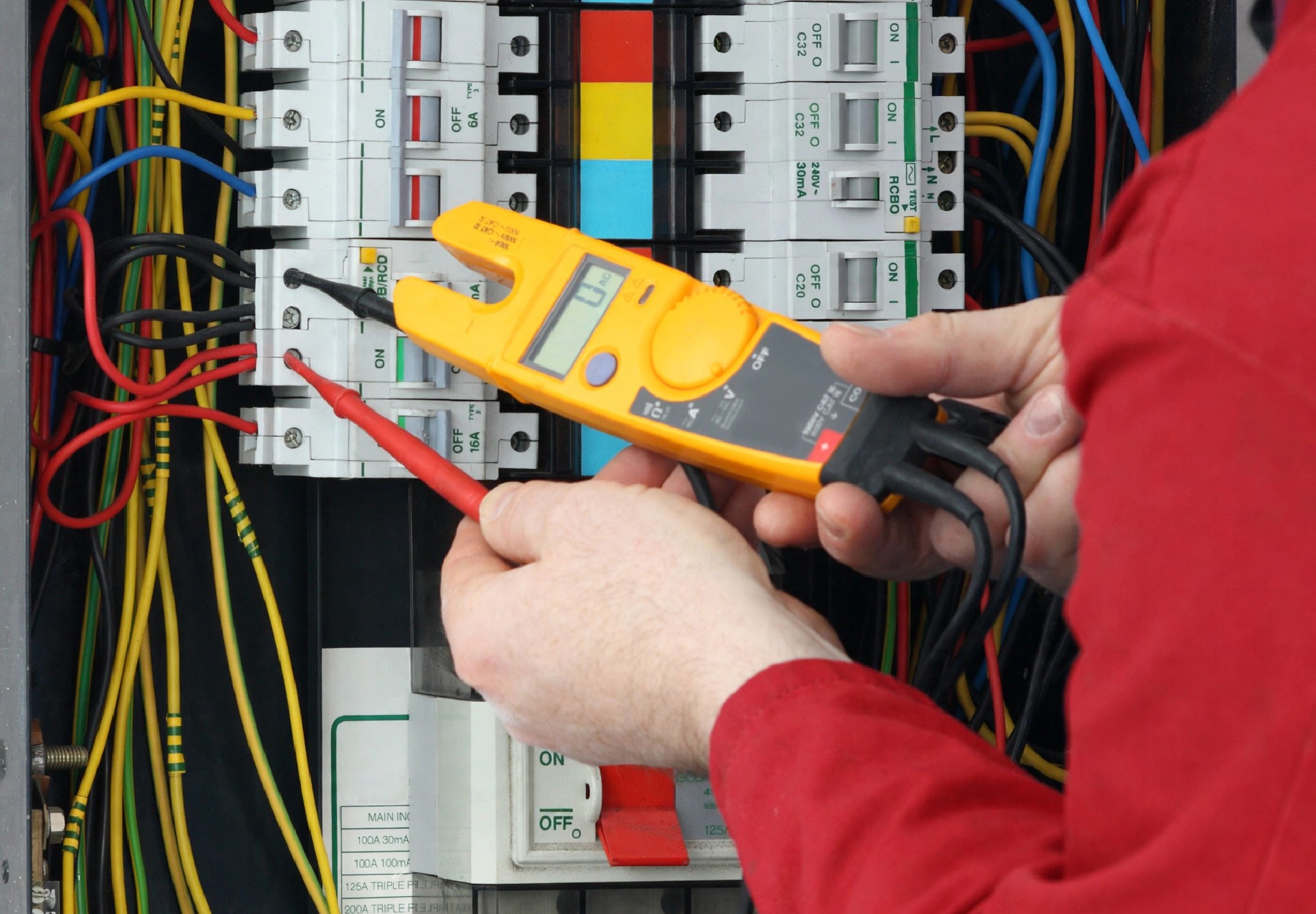
When a breaker trips again, a light flickers every afternoon, or a piece of equipment runs warmer than it used to, the easy answer is to keep working and deal with it later. In a commercial or industrial facility, that choice rarely saves money. Electrical problems tend to grow quietly while the system keeps running, and by the time they interrupt operations they are usually harder, riskier and more expensive to fix.
This guide explains why waiting costs more, which warning signs deserve attention, and how facility managers can decide what to repair first.
Why Small Electrical Problems Rarely Stay Small
Electrical equipment in a working facility carries load for hours every day. A connection that has loosened slightly adds resistance, resistance produces heat, and heat gradually wears down the terminal, the insulation around it and the components nearby. Each cycle of heating and cooling can loosen the connection further.
The result is a problem that looks minor at first and becomes more serious the longer the equipment keeps running. Vibration from machinery, dust, moisture and normal aging can speed this up in demanding environments.
Warning Signs a Facility Should Not Ignore
Most electrical problems give some notice before they cause a failure. These are the signs worth acting on:
- Breakers that trip repeatedly. A breaker is designed to trip when something is wrong, such as an overload or a fault. Resetting it again and again does not fix the cause.
- Lights that flicker or dim when equipment starts. This can point to a loose connection or a circuit carrying more than it should.
- Warm or discolored panels, outlets or disconnects. Heat that you can feel or see on equipment covers is a sign that something is resisting current.
- Buzzing, crackling or a change in sound. A new or louder noise from a panel, switch or piece of equipment is worth checking.
- Equipment that fails or resets for no clear reason. Intermittent faults often trace back to a connection or supply problem.
- Visible damage. Cracked insulation, corrosion, scorch marks or damaged conduit should be evaluated.
If you notice a burning smell, smoke or sparks, treat it as an emergency. Follow your facility’s emergency procedures, contact emergency services if needed, and then call a qualified electrician.
What Delay Costs a Business
The repair itself is often the smaller part of the bill. Waiting can lead to:
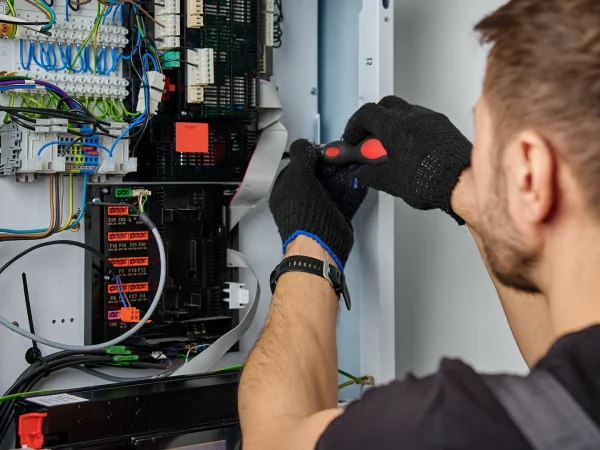
- Unplanned downtime. When a failure stops equipment, a line or a whole building, the lost time can cost more than the repair would have.
- Damage to connected equipment. Overheated conductors and unstable power can shorten the life of motors, controls and other equipment that depends on them.
- Safety risk. Faulty electrical equipment can create shock, burn and fire hazards for staff, customers and visitors.
- A larger repair. Replacing a worn terminal early is a smaller job than replacing a damaged breaker, bus or panel section later.
How Inspections Help You Catch Problems Sooner
Visual checks by a qualified electrician can find many problems. Infrared thermal imaging adds another view, because it can show abnormal heat on accessible electrical equipment while that equipment is operating. Unusual temperature patterns can point to loose connections, overloaded circuits or other developing issues, so they can be investigated before they cause a failure.
Thermal imaging is a diagnostic tool, not a guarantee that every defect will be found, and it does not replace other testing or maintenance. NFPA 70B provides guidance for electrical equipment maintenance programs, and the right inspection schedule depends on your equipment, its condition and how critical it is. To learn how these inspections work at a commercial facility, see our electrical thermal imaging inspections page.
Planned Repairs vs. Emergency Repairs
The same fault can be handled very differently depending on when it is found:
- Planned repair: scheduled around your operations, with parts ordered ahead and the work done at a convenient time.
- Emergency repair: done on the failure’s timeline, often during production, with less choice about timing and parts.
Planned work is easier on your staff and your schedule. That is the main reason facilities build inspection and maintenance into their routine instead of waiting for something to fail.
Not every electrical issue carries the same urgency. A simple order of priority helps:
Not every electrical issue carries the same urgency. A simple order of priority helps:
Safety first: Anything involving excessive heat, a burning smell, exposed conductors or potential shock risk should be addressed immediately.
Critical equipment next: Circuits that feed production, refrigeration, data systems or life-safety equipment come before less important loads.
Recurring faults: A problem that keeps coming back should be scheduled for diagnosis soon, not left as a nuisance.
Lower-risk items: Cosmetic or minor issues can be grouped into planned routine maintenance.
It also helps to keep a simple log with the date, location and symptom each time something happens. A record of repeated trips or flickers makes diagnosis faster for the electrician.
What to Expect When You Call a Commercial Electrician
A good service visit usually follows a clear path:
- The electrician asks what happened, where and how often.
- The equipment is inspected and tested to find the actual cause.
- You receive an explanation of what was found and which items are urgent and which can be scheduled.
- The repair is completed, or a plan is made around your operating hours.
Ask how the work will be scheduled around your operations, and what happens if more work is found once the equipment is opened.
Commercial and Industrial Electrical Help in Wentzville and Nearby Areas
Rolwes Electric is based in Wentzville, Missouri, and serves commercial and industrial facilities across St. Charles County, including O’Fallon and St. Peters, as well as Lincoln County and Warren County. Our team provides troubleshooting, repairs and maintenance, and can help you plan the work that makes sense for your facility.
Frequently Asked Questions
How do I know if an electrical problem can wait?
Signs of heat, a burning smell, sparks, exposed wiring or shock should never wait. For other issues, such as occasional flickering, have a qualified electrician evaluate it so you know whether it is minor or an early sign of something larger.
Is it safe to keep resetting a tripped breaker?
A breaker that trips repeatedly is telling you something is wrong. Resetting it again and again does not address the cause, so it is best to have the circuit checked by a qualified electrician.
Can thermal imaging find every electrical problem?
No. Thermal imaging identifies temperature patterns, not every possible defect. Some issues may not produce a detectable temperature difference and may need other testing.
How often should a facility inspect its electrical equipment?
The right schedule depends on the equipment, its condition, the operating environment, how critical it is and applicable requirements. Facilities should set intervals through their electrical maintenance program instead of assuming one schedule fits every building.
Does Rolwes Electric handle repairs after an inspection finds an issue?
Rolwes Electric provides commercial and industrial electrical services, including troubleshooting, repairs and maintenance. The work needed depends on the findings and the equipment involved.
Talk to Rolwes Electric About Your Facility
If you have an electrical issue you have been putting off, or you want to build a plan for inspections and repairs, contact Rolwes Electric to talk through what your facility needs.