
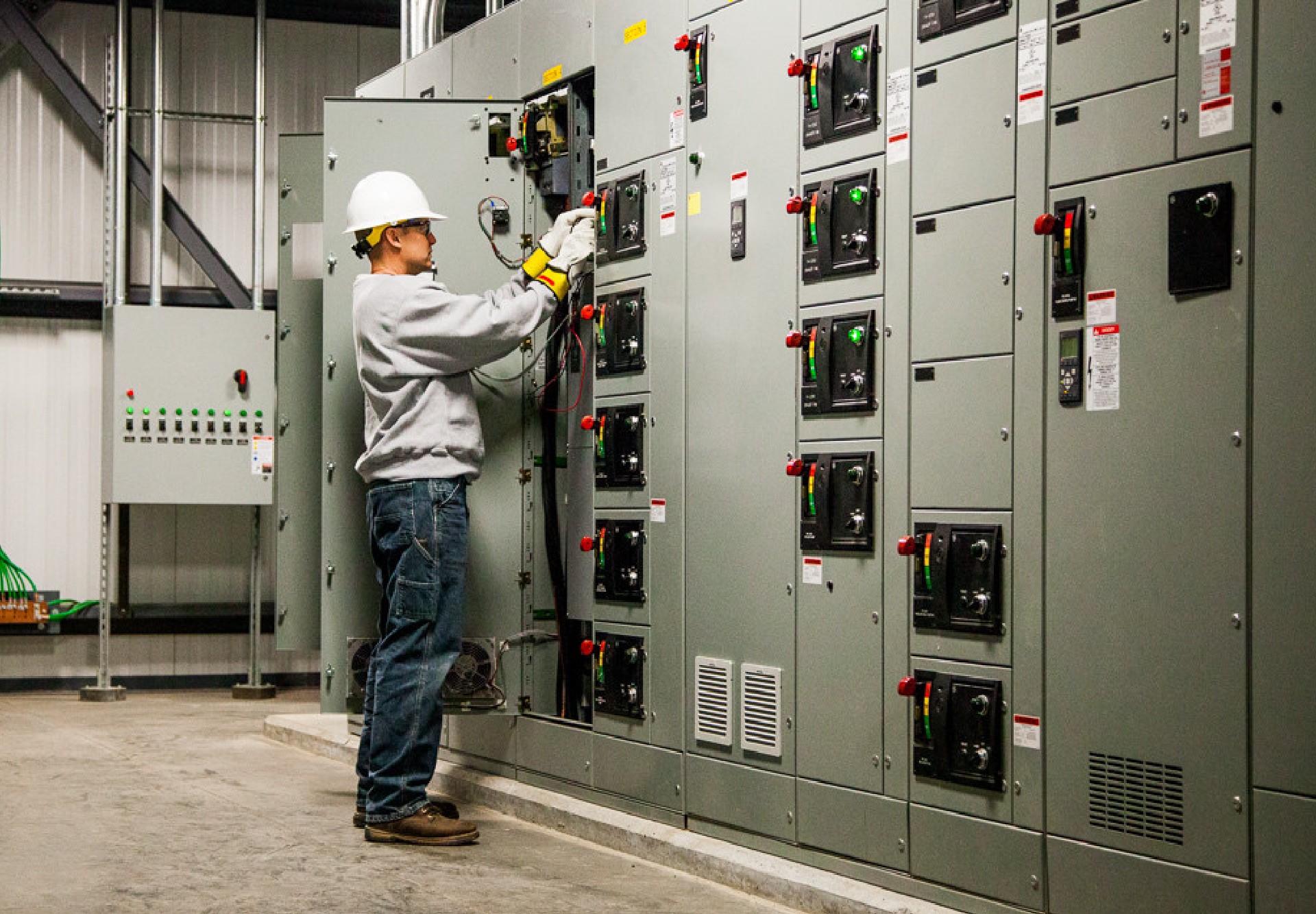
Before purchasing new commercial equipment, it is important to confirm that your building’s electrical system can support its power requirements. Commercial ovens, walk-in coolers, rooftop HVAC units, EV chargers, and production machinery may require more electrical capacity than an existing system can provide.
At Rolwes Electric, we help commercial property owners and businesses evaluate electrical requirements for new installations, equipment upgrades, and facility improvements. Planning ahead can help identify potential electrical limitations before they affect your installation schedule or operating plans.
For businesses in Wentzville, O’Fallon, and throughout St. Charles County, understanding commercial electrical capacity for new equipment is an important step toward making informed purchasing and installation decisions.
What Does Commercial Electrical Capacity Mean?
Commercial electrical capacity refers to the amount of electrical power a building’s electrical system can safely support. The available capacity depends on several factors, including the incoming electrical service, main panel rating, existing electrical loads, circuit configuration, and equipment requirements.
A building may have enough outlets and space for new equipment but still lack the electrical capacity to operate it properly. An older commercial space, for example, may have been designed for a different type of business or for equipment with lower power demands.
Before adding new machinery or appliances, it is important to understand how the equipment will affect the building’s existing electrical system.
1. Check the Equipment's Voltage, Phase, and Amperage
Every piece of commercial equipment has specific electrical requirements. Reviewing these requirements before purchasing equipment helps determine whether the existing electrical system is compatible.
Three important specifications to check are:
- Voltage: The electrical potential required to operate the equipment. Commercial equipment may require different voltage configurations depending on its design and intended use.
- Phase: Equipment may require single-phase or three-phase power. Three-phase power is common for many types of commercial and industrial equipment, but availability depends on the building’s electrical service.
- Amperage: The current the equipment requires during operation. Starting current, continuous operation, and manufacturer specifications may also affect circuit and system requirements.
For example, a restaurant planning to install a larger commercial oven should review the manufacturer’s electrical specifications before ordering. A manufacturing facility adding production machinery should also confirm that the required voltage, phase, and current are available.
These details help establish whether the equipment can connect to the existing electrical system or whether modifications are needed.
2. Calculate the Electrical Load Before Buying Equipment
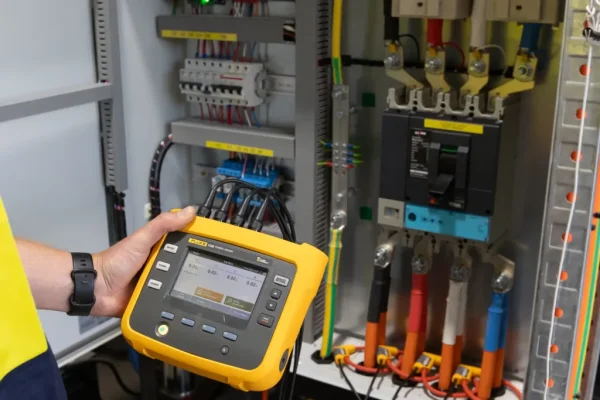
Checking the main panel’s rating is only part of evaluating commercial electrical capacity for new equipment. The building’s existing electrical demand must also be considered.
A commercial electrical load calculation evaluates the loads already served by the system alongside the proposed new equipment. Depending on the installation, this may include lighting, HVAC systems, refrigeration, computers, production machinery, and other electrical loads.
Consider a business adding a large piece of equipment to a building where heating, cooling, and other machinery already use a substantial portion of the available capacity. Even if the equipment appears compatible with the panel, the additional demand could require changes to the electrical service or distribution system.
A qualified electrician can assess the existing installation, review equipment specifications, and determine what modifications may be necessary.
Completing this evaluation before purchasing equipment can help businesses plan for electrical work as part of the overall project budget and schedule.
3. Determine Whether Dedicated Circuits or Disconnects Are Needed
Some commercial equipment requires a dedicated branch circuit rather than sharing a circuit with other loads. A dedicated circuit is designed to supply a particular piece of equipment, subject to applicable electrical requirements.
This can be important for equipment such as commercial kitchen appliances, refrigeration systems, HVAC units, and certain types of industrial machinery.
Depending on the equipment and installation, additional work may include:
- Installing a properly sized branch circuit and conductors.
- Selecting appropriate overcurrent protection.
- Providing a disconnecting means where required.
- Verifying grounding and bonding requirements.
- Routing electrical connections to the equipment’s designated location.
Disconnects are particularly important for equipment that needs to be isolated from its power source for servicing or maintenance. Their type and location depend on the equipment, applicable code requirements, and installation conditions.
These requirements should be reviewed during the planning stage so the electrical installation is coordinated with equipment placement and other construction work.
4. When Is a Commercial Electrical Panel Upgrade Necessary?
Not every new equipment installation requires a panel upgrade. In some cases, the existing system can accommodate the additional load with a properly designed circuit or other limited modifications.
However, a panel or service upgrade may be necessary when the available capacity is insufficient, the existing equipment is unsuitable for the proposed installation, or the system cannot accommodate the required circuits and protective devices.
Warning signs that warrant an electrical evaluation include:
- The proposed equipment requires more capacity than the existing system can support.
- The panel lacks suitable space for the necessary circuit breakers.
- The existing electrical service is undersized for the building’s current and planned loads.
- The equipment requires a voltage or phase configuration that is not available.
- The electrical system has existing damage, overheating, or other safety concerns.
A panel upgrade is not automatically the right solution whenever new equipment is added. The appropriate approach depends on the complete electrical system and the proposed load.
Rolwes Electric can help evaluate the requirements for commercial electrical upgrades and determine which modifications are appropriate for the project.
Planning an electrical upgrade? Read our existing guide to commercial electrical panel upgrades to learn more about when an upgrade may be needed.
5. Account for Permits, Inspections, and Applicable Codes
Electrical work involving new circuits, equipment connections, service changes, or panel upgrades may require permits and inspections. Requirements depend on the project scope and the jurisdiction where the property is located.
For commercial projects in Wentzville, O’Fallon, and other communities in St. Charles County, businesses should confirm the applicable requirements before work begins.
The electrical plan may need to account for equipment specifications, circuit protection, grounding, disconnects, working clearances, and other requirements under the applicable electrical code.
It is also important to coordinate electrical work with equipment suppliers, general contractors, HVAC contractors, and other trades when necessary. This is particularly relevant during commercial build-outs, renovations, and industrial facility improvements.
Addressing these details early can reduce the risk of unexpected changes during installation.
6. Plan for Future Equipment and Business Growth
Electrical planning should consider more than the equipment a business needs today. If you expect to expand production, add refrigeration, install additional HVAC equipment, or introduce EV charging, those plans may affect your electrical requirements.
For example, a warehouse planning to add EV chargers later may want to evaluate future charging demand while reviewing its current electrical service. A manufacturing business anticipating additional machinery may benefit from assessing how planned equipment will affect the facility’s overall load.
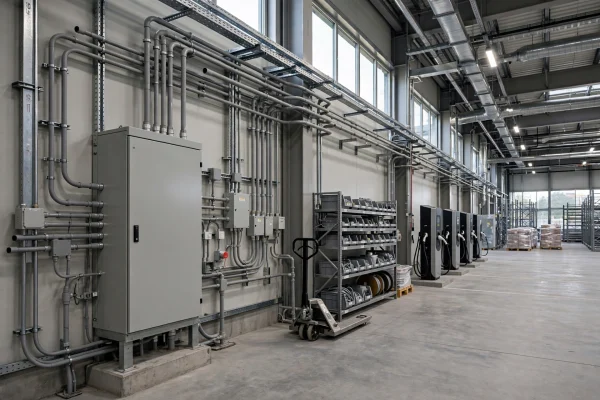
Future expansion does not necessarily mean installing a larger electrical service immediately. Instead, it means understanding the potential requirements and identifying practical options before making major purchasing or construction decisions.
Discussing anticipated growth with your electrician can help determine whether phased upgrades or other electrical improvements make sense for your facility.
7. Questions to Ask Your Commercial Electrician
Before purchasing or installing new equipment, ask your electrician the following questions:
- Does my existing electrical service have enough capacity for this equipment?
- Are the required voltage and phase available at the building?
- Will the equipment need a dedicated circuit or disconnect?
- Is a panel, service, or other electrical upgrade necessary?
- What permits or inspections may apply to this project?
- Can the proposed installation accommodate future equipment additions?
- What electrical work should be completed before the equipment arrives?
Having these answers in advance helps establish the scope of work and identify potential constraints before installation begins.
It also gives your business a clearer understanding of the electrical work that may need to be coordinated with equipment delivery, construction, and operational schedules.
Plan Your Commercial Electrical Installation With Rolwes Electric
Adding commercial equipment involves more than selecting the right machine and finding space for it. The building’s electrical system must be evaluated to determine whether it can safely and reliably support the new demand.
From reviewing equipment requirements to assessing electrical capacity, planning circuits, and evaluating potential upgrades, early coordination helps businesses make better-informed decisions.
Rolwes Electric provides commercial and industrial electrical services for businesses in Wentzville, O’Fallon, St. Charles County, and surrounding communities. If your facility is preparing for new equipment, a renovation, or an operational expansion, we can help assess the electrical work involved.
Contact Rolwes Electric to discuss your upcoming project and determine what your building may need before new equipment is installed.
Frequently Asked Questions
How often should a transfer switch be tested?
A qualified electrician can review the equipment’s voltage, phase, and amperage requirements and perform a load calculation to determine whether the existing electrical system can support the additional demand.
Does installing new commercial equipment require an electrical panel upgrade?
Not always. The existing system may accommodate new equipment with appropriate circuit modifications. A panel or service upgrade may be needed if the available capacity is insufficient.
What is an electrical load calculation for a commercial building?
An electrical load calculation evaluates existing electrical demand and proposed equipment loads to determine whether the building’s electrical system can support the planned installation.
Should I check electrical capacity before purchasing commercial equipment?
Yes. Reviewing electrical requirements before purchasing equipment can help identify necessary modifications, potential upgrade costs, and installation requirements before the project begins.
Do commercial electrical upgrades require permits in Missouri?
Permit and inspection requirements depend on the work being performed and the local jurisdiction. Confirm applicable requirements with your local building authority and electrical contractor before starting the project.