
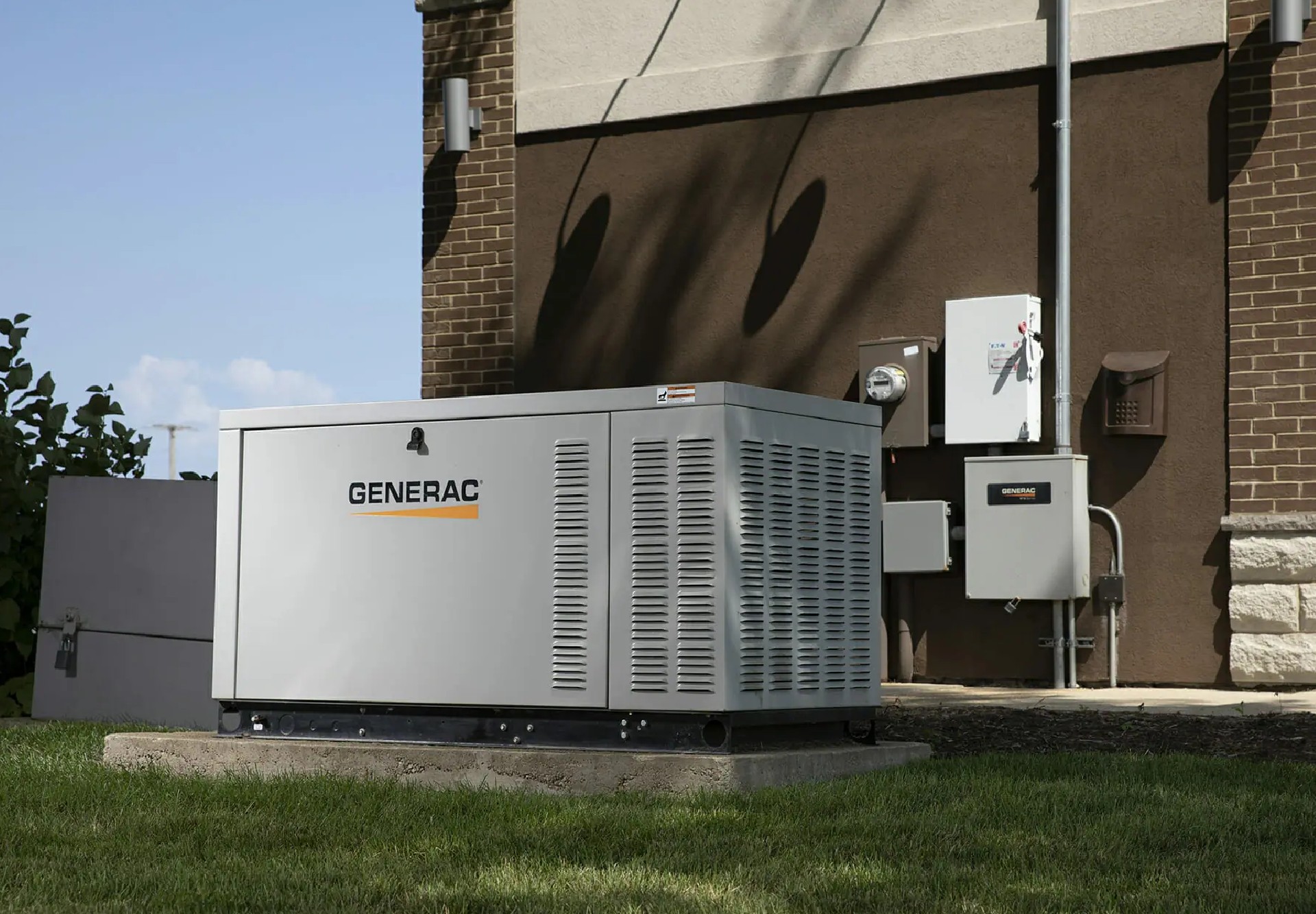
An undersized generator may not carry your facility when it matters most, and an oversized one adds cost and can run poorly at light loads. Getting the size right starts with knowing what your facility actually needs to keep running during an outage. This guide walks through the steps facility managers and business owners use to size a commercial generator.
Start With the Loads You Can’t Afford to Lose
Walk through your facility and sort equipment into three groups: critical, important, and non-essential. Critical loads usually include life safety systems, refrigeration, servers and communications, security, and process equipment. Important loads might include lighting and HVAC for key areas. Many facilities choose to back up only the first two groups rather than the whole building, which keeps generator size and cost under control.
Add Up Running Load and Starting Load
Every piece of equipment has a running load, but motors such as compressors, pumps, and large HVAC units draw several times that amount for a moment when they start. Your generator has to handle the largest starting surge on top of everything already running. Nameplate data on each piece of equipment is the best place to find these numbers, and staggering motor starts can reduce the peak demand your generator must cover.
Understand kW, kVA, and Power Factor
Generators are rated in both kilowatts (kW) and kilovolt-amperes (kVA). The two are connected by power factor, and many commercial generators are rated at a power factor of 0.8. Make sure the rating you compare against your calculated load uses the same unit, and confirm the generator’s voltage and phase (single-phase or three-phase) match your facility’s electrical service.
Leave Room for Growth, Not Excess
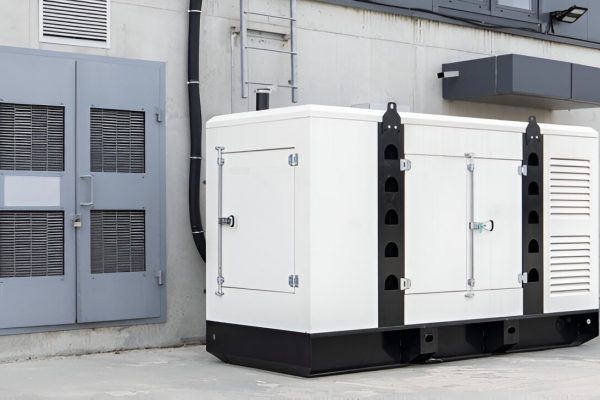
It makes sense to add a reasonable margin for equipment you plan to add in the coming years. Going far beyond that creates a different problem: engines that run at very light loads for long periods, especially diesel units, can develop maintenance issues over time. A qualified electrician or generator supplier can help you find a size that covers today’s needs with sensible room to grow.
Choose a Fuel Type That Fits Your Runtime Needs
Diesel, natural gas, and propane each come with trade-offs. Diesel and propane are stored on site, which gives you control over how long you can run. Natural gas offers a continuous supply, but it depends on the utility’s gas service remaining available. Think about how long outages typically last in your area and how much fuel storage your site can accommodate.
Check Codes, Permits, and Placement
Generator placement affects clearances, exhaust, noise, and access for service. Local permits and electrical code requirements apply, and facilities with life safety or legally required standby systems may face additional standards. Requirements vary by jurisdiction and building type, so confirm them with your local authority before you finalize a design.
Bring in a Licensed Electrician Before You Buy
A load calculation done by a professional helps you avoid costly sizing mistakes, and it makes sure the generator, transfer switch, and facility wiring all work together. If you’re ready to move from planning to action, Rolwes Electric provides generator installation services in Wentzville, MO for commercial and industrial facilities.
Need help sizing a generator for your facility? Request Service →
Commercial Generator Sizing FAQs
How do I know what size generator my business needs?
Start by adding up the running load of the equipment you need during an outage. Then account for the largest motor starting surge and a reasonable margin for future growth. A load calculation from a licensed electrician is the most reliable way to confirm the right size.
What is the difference between kW and kVA?
kW measures real power that does useful work, while kVA measures apparent power. They are related by power factor, and many commercial generators are rated at 0.8. When comparing your load to a generator, make sure both numbers use the same unit.
Do I need to back up my whole building?
Not necessarily. Many facilities back up only critical and important loads, such as refrigeration, servers, security, and key lighting. This can reduce the size and cost of the generator you need.
Why do motors matter when sizing a generator?
Motors in compressors, pumps, and HVAC equipment draw several times their running current for a moment when they start. A generator has to handle that surge on top of everything already running, so motor loads often decide the final size.
What happens if a generator is too small or too large?
A generator that is too small can overload or struggle to start large equipment. One that is too large costs more up front, and running at very light loads for long periods can cause maintenance issues, especially with diesel engines.