
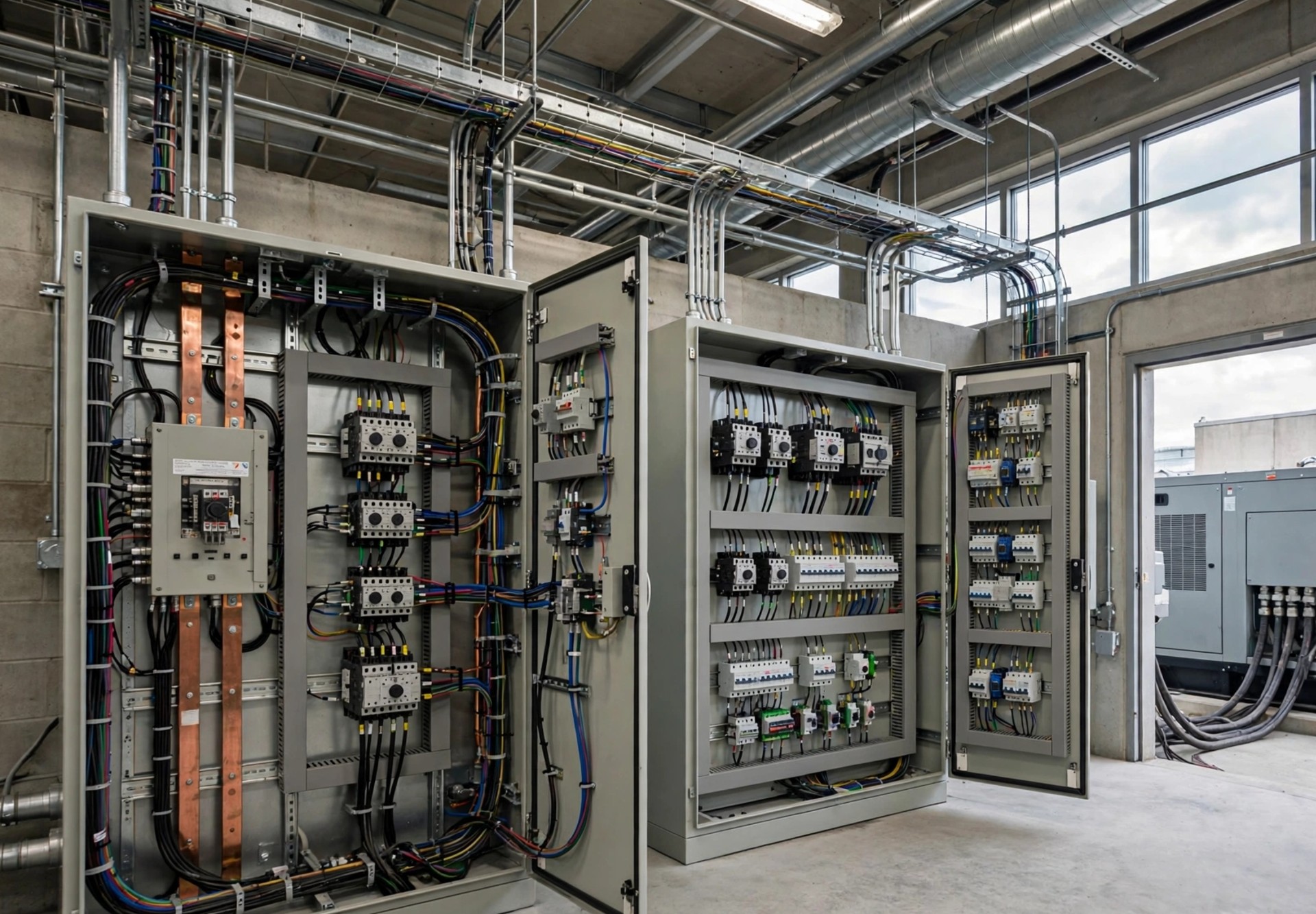
When the power goes out, a generator can only help if its electricity actually reaches your equipment, and it has to get there safely. That job belongs to the transfer switch. An automatic transfer switch, often called an ATS, is the component that detects an outage, starts the transition to generator power, and returns your facility to utility power when it comes back. This guide explains what an ATS does, how it works, and what to consider before choosing one for a commercial or industrial facility.
What an Automatic Transfer Switch Does
An automatic transfer switch connects your facility’s electrical system to either the utility or the generator, but never both at the same time. It constantly monitors the incoming utility power. If voltage drops or disappears, the ATS signals the generator to start and moves your critical loads over to generator power without anyone having to flip a switch. When utility power returns and stays stable, the ATS moves the load back and lets the generator shut down.
For facilities that cannot wait for someone to arrive on site during an outage, this automatic response is often the difference between a short interruption and a long shutdown.
How an Automatic Transfer Switch Works, Step by Step
The exact sequence depends on the equipment and settings, but a typical outage follows this pattern:
- Sensing: The ATS monitors utility voltage and detects when it falls outside acceptable limits.
- Start signal: After a short, adjustable delay that prevents false starts from brief flickers, the ATS tells the generator to start.
- Stabilization: The generator comes up to speed, and the ATS waits until its voltage and frequency are stable.
- Transfer: The ATS disconnects the facility from the utility and connects it to the generator.
- Retransfer: Once utility power returns and holds steady for a set time, the ATS moves the load back to the utility.
- Cooldown: The generator typically runs unloaded for a short period before shutting down.
Many of these time delays can be adjusted to suit the equipment your facility runs.
Why a Transfer Switch Matters for Safety
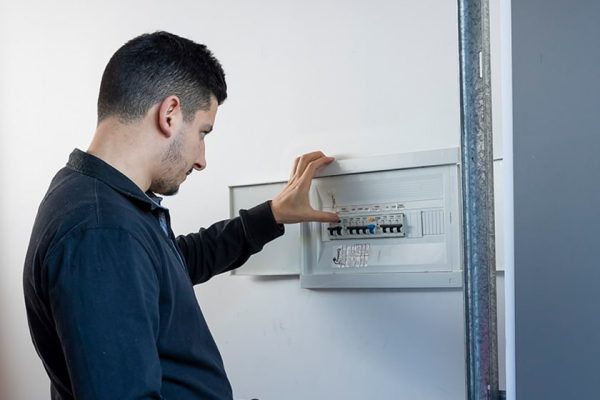
A transfer switch does more than add convenience. By keeping your facility’s wiring separated from the utility, it prevents generator power from flowing back onto the utility lines, which is known as backfeed. Backfeed can endanger utility workers repairing lines and can damage equipment.
A properly installed transfer switch also helps protect your generator and your facility’s electrical equipment from being connected to two power sources at once.
Automatic vs. Manual Transfer Switches
A manual transfer switch does the same basic job, but someone has to be present to start the generator and move the switch. That can work for small operations where a short delay is acceptable. For commercial and industrial facilities, an automatic switch is usually the better fit when any of the following apply:
– Refrigeration, servers, security systems, or process equipment cannot be left without power
– No one is on site around the clock
– Outages need to be handled in seconds rather than minutes
– Continuous operation is tied to safety, compliance, or revenue
What to Consider When Choosing an Automatic Transfer Switch
The right switch depends on your facility’s electrical system and how you plan to use backup power. Some of the main points to review with a licensed electrician include:
– Voltage, phase, and amperage: The switch must match your electrical service and the load it will carry.
– Fault current rating: The switch needs to be rated for the fault current available at its location.
– Pole configuration: This depends on how the system is grounded and wired.
– Enclosure type: Indoor, outdoor, dusty, or damp locations call for different enclosures.
– Time delays and load control: Settings can be tuned so large motors and sensitive equipment start in a sensible order.
– Location and access: The switch needs clear working space for safe operation and service.
These details are why the transfer switch should be planned alongside the generator rather than added as an afterthought.
Testing and Maintenance
A transfer switch spends most of its life waiting, which is exactly why it needs regular attention. Scheduled exercise runs and inspections help confirm the generator starts, the switch transfers properly, and the connections are tight and free of damage. NFPA 110, the Standard for Emergency and Standby Power Systems, addresses installation, maintenance, operation, and testing, including transfer equipment. Some facilities, especially those with emergency or legally required standby systems, have testing and record-keeping requirements set by code or the authority having jurisdiction. Whether these apply to your facility depends on the building type and the local authority, so confirm them early and build your maintenance schedule around them.
Signs Your Transfer Switch May Need Attention
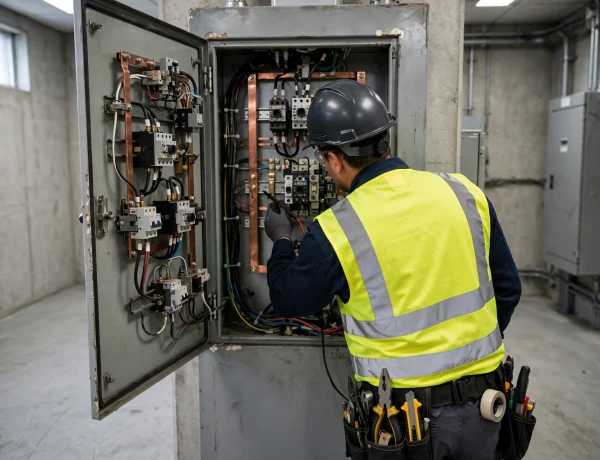
– The generator starts, but the load does not transfer
– Transfers take longer than they used to
– Visible damage, discoloration, or signs of overheating on the switch or connections
– Failed or inconsistent test results
– Frequent nuisance starts when utility power is stable
– An older unit that no longer matches your facility’s current load
If you notice any of these, have a licensed electrician inspect the equipment before the next outage tests it for you.
Plan Your Backup Power System With Confidence
An automatic transfer switch is only one piece of a reliable backup power system. Sizing the generator correctly, connecting it safely, and testing the whole system all matter. If you’re still working out the right generator capacity, read our guide on how to size a commercial generator. If you’re ready to move forward, Rolwes Electric provides professional generator installation for commercial and industrial facilities, including transfer switch connections, testing, and startup.
Questions about transfer switches for your facility? Request Service →
Automatic Transfer Switch FAQs
What does an automatic transfer switch do?
It detects a loss of utility power, signals the generator to start, and moves your facility’s load to generator power. When utility power is restored and stable, it moves the load back and allows the generator to shut down.
How long does it take an automatic transfer switch to transfer power?
The switching itself is very quick, but the full sequence includes the time it takes the generator to start and stabilize. Timing varies by equipment and settings, so ask your electrician what to expect for your system.
Do I need a transfer switch if I have a generator?
In most cases, yes. A transfer switch safely connects the generator to your facility’s electrical system and prevents backfeed onto utility lines. Requirements vary by jurisdiction, so confirm local code requirements for your facility.
What is the difference between an automatic and a manual transfer switch?
An automatic switch starts the transfer on its own when power fails, while a manual switch requires someone on site to start the generator and operate the switch. Facilities that need power restored quickly or are not staffed around the clock usually choose automatic.
How often should a transfer switch be tested?
Many facilities test on a regular schedule, often with periodic generator exercise runs. The right frequency depends on manufacturer recommendations, the type of system, and any code requirements that apply to your facility.