
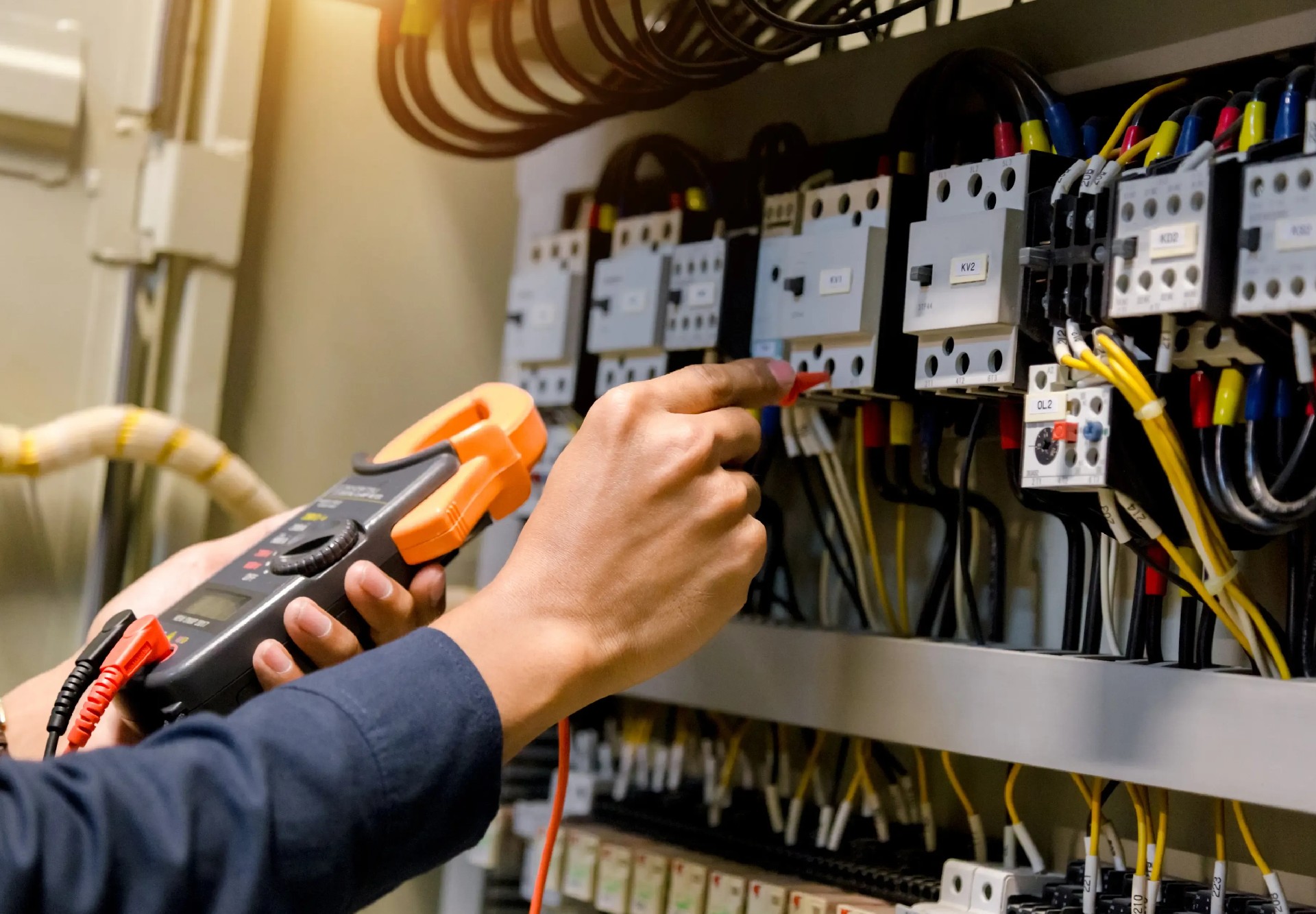
Commercial and industrial electrical systems have to do more than simply provide power. They support equipment, lighting, production processes, control systems, building operations, and other essential functions.
When an electrical problem develops, waiting until something fails can lead to unexpected downtime, equipment problems, or costly repairs.
That is where commercial electrical diagnostics can play an important role. Diagnostic work helps identify potential electrical issues, investigate abnormal conditions, and give facility owners and maintenance teams better information about the condition of their electrical systems.
For commercial and industrial facilities in the St. Charles County and St. Louis area, having access to experienced electrical professionals can make electrical troubleshooting and maintenance more informed and efficient.
What Are Commercial Electrical Diagnostics?
Commercial electrical diagnostics involve evaluating an electrical system to identify problems, abnormal conditions, or potential areas of concern.
Depending on the facility and the issue being investigated, diagnostic work may involve examining electrical equipment, connections, circuits, panels, control systems, or other components.
The goal is not simply to find something that has already failed. Diagnostics can also help identify conditions that deserve attention before they develop into a larger operational problem.
For businesses, that information can be valuable when planning maintenance, repairs, equipment upgrades, or future electrical work.
Why Do Commercial Facilities Need Electrical Diagnostics?
Electrical systems in commercial and industrial facilities can be complex. A facility may have multiple panels, circuits, equipment loads, controls, lighting systems, motors, and other electrical components operating throughout the building.
A problem in one part of the system can sometimes affect equipment or operations elsewhere.
Regular attention to the condition of electrical systems can help businesses:
- Identify abnormal electrical conditions
- Investigate recurring electrical problems
- Find areas that may require repair or maintenance
- Support preventative maintenance planning
- Reduce unexpected electrical issues
- Better understand the condition of electrical equipment
- Make more informed decisions about repairs and upgrades
Diagnostics do not eliminate the possibility of electrical failures, but they can provide useful information about what is happening within a system.
What Is Electrical Thermography?
One diagnostic technique used in electrical work is thermography, which uses infrared technology to identify temperature differences.
Electrical components that are operating under abnormal conditions can sometimes produce unusual heat patterns. Infrared imaging can help electrical professionals identify areas that may warrant further investigation.
For example, thermography may be useful when evaluating electrical equipment where temperature differences could indicate a potential issue.
The important point is that an infrared image is not automatically a diagnosis by itself. Temperature patterns need to be interpreted in the context of the electrical system and the equipment being evaluated.
That is why thermography is most useful as part of a broader electrical diagnostic process.
What Can Electrical Thermography Help Identify?
Depending on the equipment and conditions, infrared electrical inspections may help identify areas such as:
- Unusual heat at electrical connections
- Potentially overloaded components
- Abnormal temperature differences between similar components
- Connections that may require further investigation
- Components operating at unusual temperatures
These findings can give a qualified electrical professional a reason to investigate further.
Early identification does not necessarily mean a component has failed. Instead, it can provide an opportunity to determine whether corrective action or additional testing is appropriate.
Commercial Electrical Diagnostics and Preventive Maintenance
Preventive maintenance is easier when facility managers have useful information about the condition of their electrical systems.
Instead of waiting for a component to fail, businesses can incorporate electrical evaluations into broader maintenance planning.
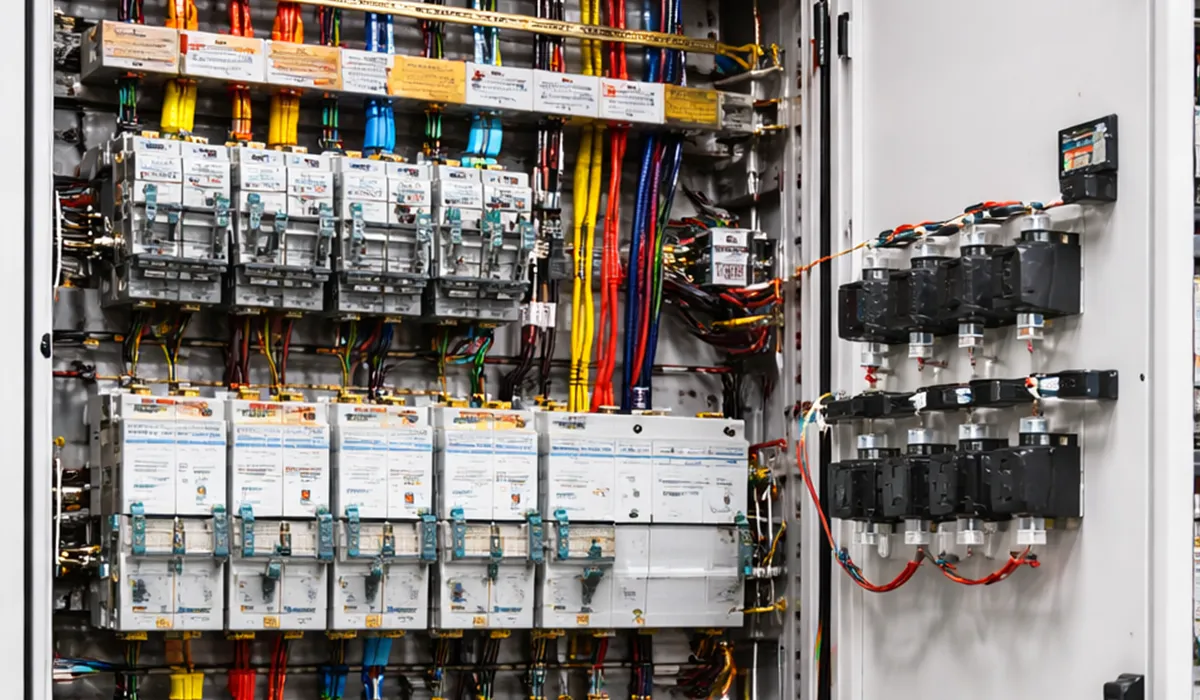
For example, diagnostic information may help a facility determine whether an electrical component should be monitored, repaired, replaced, or evaluated more closely.
This can be particularly useful for facilities where electrical equipment supports important operations.
The right maintenance approach depends on the facility, equipment, operating conditions, and recommendations from qualified professionals.
What About Industrial Electrical Systems?
Industrial facilities often have electrical systems that support more than basic building functions.
Electrical equipment may be connected to machinery, production processes, motors, control systems, and other specialized equipment.
That makes troubleshooting and diagnostics especially important when an electrical issue affects operations.
An industrial electrical contractor can evaluate the system, investigate reported problems, and help determine what type of repair or additional diagnostic work may be needed.
At Rolwes Electric, commercial and industrial electrical work is a core part of the company’s services, including electrical systems, repairs, maintenance, and larger construction projects.
Electrical Control Systems Need the Right Approach
Electrical problems are not always limited to traditional power distribution.
Commercial and industrial facilities may also depend on electrical control systems to operate equipment and processes.
When a control system does not operate as expected, the underlying problem can involve electrical components, wiring, connections, controls, or other parts of the system.
Proper troubleshooting starts with understanding the symptoms and evaluating the system rather than simply replacing components without identifying the underlying issue.
For facilities that depend on control systems, experienced electrical troubleshooting can help determine where further investigation is needed.
Signs Your Facility May Need Electrical Diagnostics
A business does not necessarily need to wait for a complete electrical failure before contacting an electrical contractor.
Some situations that may justify an evaluation include:
Recurring Electrical Problems
If the same circuit, equipment, or electrical component repeatedly experiences problems, there may be an underlying issue that needs to be investigated.
Unexpected Equipment Shutdowns
Unexplained shutdowns or interruptions can be disruptive, particularly when electrical equipment supports important business operations.
Unusual Heat
Unusual heat around electrical equipment, panels, or connections should not be ignored. A qualified professional can determine whether further evaluation is appropriate.
Repeated Breaker Trips
A circuit breaker that repeatedly trips may indicate an issue that needs professional evaluation rather than simply being reset repeatedly.
Aging Electrical Equipment
Older electrical equipment may require closer attention, particularly when the system has not been evaluated recently or the facility’s electrical demands have changed.
Planned Facility Changes
Renovations, equipment additions, production changes, or electrical upgrades can evaluate whether the existing electrical infrastructure suits the planned work.
Diagnostics Can Support Better Electrical Planning
One advantage of diagnostic work is the information it can provide.
Facility managers often have to make decisions about maintenance, repairs, upgrades, and capital projects. Having a clearer understanding of electrical conditions can help those decisions become more informed.
Instead of treating every electrical issue as an isolated repair, businesses can look at the broader condition of their electrical systems.
That can be particularly useful for facilities planning equipment changes, expansion, or larger electrical projects.
Commercial Electrical Diagnostics vs. Waiting for a Failure
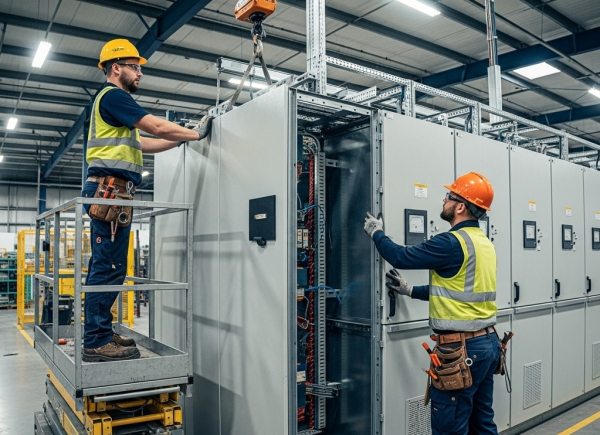
Waiting until something stops working may seem like the simplest approach, but it can make electrical problems more disruptive.
A failure can occur at an inconvenient time, interrupt operations, and require an urgent response.
Diagnostic and maintenance work takes a different approach by looking for conditions that deserve attention before they necessarily become complete failures.
The appropriate approach will depend on the facility and its electrical equipment, but proactive evaluation can be an important part of responsible electrical maintenance.
Why Experience Matters With Electrical Diagnostics
Electrical diagnostics require more than identifying that something looks unusual.
A qualified electrical professional needs to understand the system being evaluated, interpret findings appropriately, and determine what additional troubleshooting or repair may be necessary.
That is particularly important in commercial and industrial environments where electrical systems can be interconnected with equipment and operations.
At Rolwes Electric, our work includes commercial electrical services, industrial electrical services, electrical control systems, repairs, routine maintenance, and larger electrical construction projects.
Our goal is to provide practical electrical solutions based on the needs of the facility and the system being evaluated.
Commercial Electrical Diagnostics in St. Charles County
Businesses throughout St. Charles County and the greater St. Louis area depend on reliable electrical systems every day.
From commercial buildings and offices to industrial facilities, electrical infrastructure has to support the way each property operates.
When a business is experiencing recurring electrical problems, planning maintenance, evaluating equipment, or preparing for a larger project, professional electrical diagnostics can provide useful information about the system.
Rolwes Electric works with commercial and industrial customers on electrical repairs, maintenance, control systems, and larger electrical projects.
If your facility has an electrical issue that needs investigation, a professional evaluation can help determine the appropriate next step.
When Should You Call an Electrical Contractor?
Consider contacting a qualified electrical contractor when you notice recurring electrical problems, unexplained equipment behavior, repeated breaker trips, unusual heat, or other conditions that may indicate an electrical issue.
It is also worth involving an electrical professional before major facility changes or equipment additions when you need to determine whether existing electrical infrastructure can support the planned work.
Electrical problems should not be diagnosed or repaired by unqualified personnel.
FAQs About Commercial Electrical Diagnostics
What are commercial electrical diagnostics?
Commercial electrical diagnostics involve evaluating electrical systems and equipment to identify abnormal conditions, investigate problems, and determine whether additional maintenance, testing, or repairs may be necessary.
What is electrical thermography?
Electrical thermography uses infrared technology to identify temperature differences in electrical equipment. Unusual temperature patterns may indicate areas that require additional investigation.
Can thermography prevent electrical failures?
Thermography can help identify abnormal temperature patterns before a complete failure occurs, but it does not guarantee that electrical failures will be prevented. Findings should be evaluated by a qualified professional.
How often should commercial electrical systems be evaluated?
The appropriate frequency depends on the facility, equipment, operating conditions, maintenance program, and applicable requirements. A qualified electrical contractor can help determine an appropriate evaluation approach.
What is included in industrial electrical diagnostics?
The scope depends on the facility and the problem being investigated. Diagnostic work may involve electrical equipment, circuits, panels, connections, control systems, and other components relevant to the reported issue.
Can electrical diagnostics help with control system problems?
Yes. Electrical troubleshooting can help investigate problems involving control systems and determine whether electrical components, wiring, connections, or other system elements may require attention.
Need Help With a Commercial or Industrial Electrical Issue?
Electrical problems are easier to address when facility owners and maintenance teams have reliable information about what is happening within the system.
Whether you are dealing with a recurring issue, planning maintenance, evaluating electrical equipment, or preparing for a larger project, Rolwes Electric provides commercial and industrial electrical services for businesses in St. Charles County and the greater St. Louis area.
Call Rolwes Electric at 314-249-5563 to discuss your commercial or industrial electrical needs.