
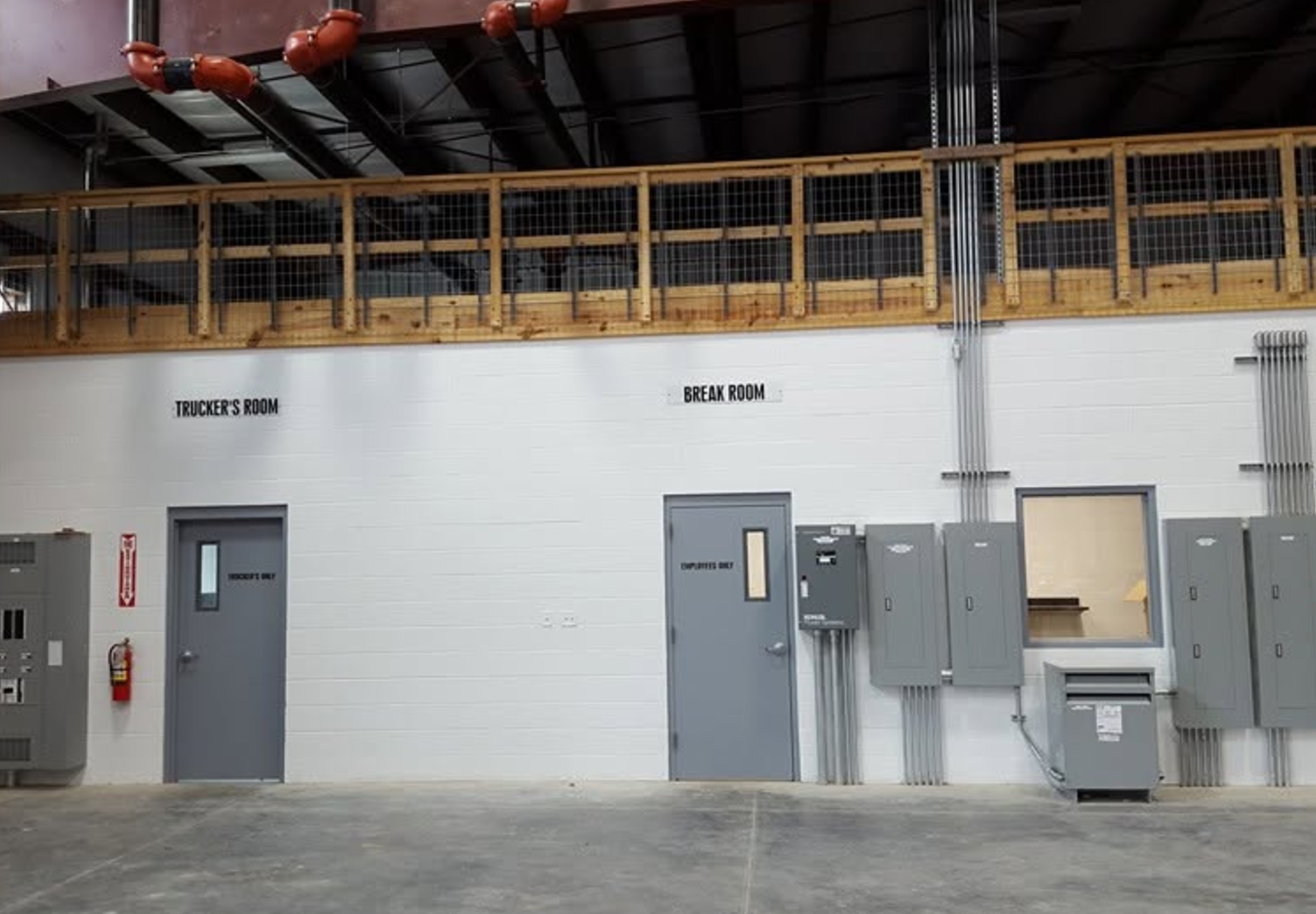
An office can outgrow its electrical system without the problem being obvious at first.
More computers, monitors, printers, conference-room equipment, lighting, HVAC equipment, charging devices, and other technology can place new demands on an existing electrical system. Older outlets, overloaded circuits, poor lighting, or an outdated panel can also create problems for employees and business operations.
The right office electrical upgrades can improve electrical safety, reliability, lighting, power availability, and the day-to-day functionality of a commercial workspace.
What Office Electrical Upgrades Should You Consider?
The right upgrades depend on the building and how the office is being used. Common projects include:
- Electrical panel upgrades
- New or additional circuits
- Office lighting upgrades
- Additional receptacles
- Dedicated circuits for equipment
- Wiring repairs or replacement
- Power distribution improvements
- Emergency and exit lighting
- Data and low-voltage coordination
- Electrical work for office remodeling
- Energy-efficient lighting improvements
- Electrical capacity for new equipment
A commercial electrician should evaluate the existing system before determining which upgrades are actually necessary.
How Do You Know an Office Needs Electrical Upgrades?
Some warning signs are easy to notice, while others require a professional evaluation. An office may need electrical attention if you are experiencing:
- Frequently tripped breakers
- Flickering or inconsistent lighting
- Too few outlets
- Excessive extension-cord use
- Warm or damaged receptacles
- Outdated electrical panels
- Equipment that repeatedly loses power
- New equipment that exceeds existing circuit capacity
- Lighting that is difficult to control
- Electrical problems during an office remodel
These issues do not necessarily mean the entire electrical system needs replacement. An electrical assessment can help identify the specific improvements required.
Can Electrical Upgrades Improve Office Safety?
Yes. Electrical upgrades can address problems with outdated equipment, overloaded circuits, damaged wiring, inadequate receptacles, and other conditions that may affect workplace safety.
The applicable electrical requirements depend on the project and local jurisdiction. NFPA 70, the National Electrical Code, provides a benchmark for electrical design, installation, and inspection, while the authority having jurisdiction determines which requirements apply locally.
For that reason, office electrical upgrades should be planned around the actual building, equipment, and applicable requirements rather than a generic checklist.
Office Electrical Upgrades for Growing Technology Needs
Modern offices can have significantly more electrical equipment than they did when a building was originally constructed.
A typical workspace may now require power for:
- Desktop computers
- Monitors
- Docking stations
- Printers
- Servers and networking equipment
- Conference-room displays
- Video-conferencing equipment
- Charging stations
- Kitchen appliances
- Security systems
- Specialty office equipment
Adding equipment to existing circuits without evaluating capacity can create operational problems.
A commercial electrician can determine whether additional circuits, receptacles, distribution changes, or other upgrades are appropriate.
Should an Office Add More Electrical Outlets?
Often, yes.
Too few conveniently located receptacles can lead employees to rely on extension cords and power strips throughout the workspace. A better solution may be to add properly located receptacles and circuits as part of an electrical upgrade or office remodel.
Outlet placement should be coordinated with:
- Desk locations
- Conference tables
- Workstations
- Printers
- Break rooms
- Reception areas
- Wall-mounted equipment
- Technology equipment
Planning outlets around how employees actually use the space can make the office more functional while reducing unnecessary cords.
Office Lighting Upgrades
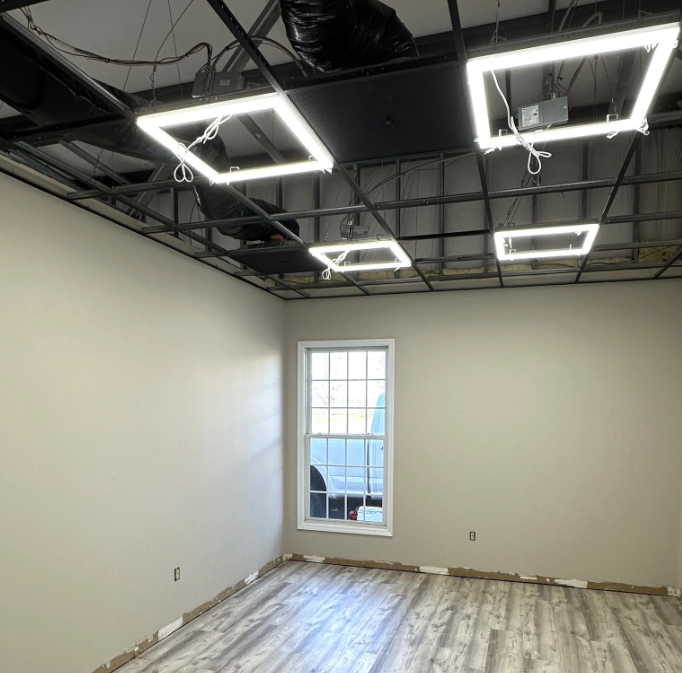
Lighting is another important part of an office electrical upgrade.
Older lighting systems may provide inconsistent illumination or limit how different areas of the office can be controlled.
An office lighting project may include:
- LED fixture upgrades
- New fixture layouts
- Occupancy controls
- Lighting controls
- Task lighting
- Conference-room lighting
- Reception lighting
- Break-room lighting
- Exterior lighting
- Emergency and exit lighting
The best solution depends on the existing fixtures, ceiling configuration, electrical system, workspace layout, and project goals.
Can Better Office Lighting Improve Productivity?
Lighting can affect how comfortable and functional an office feels, particularly when employees spend long periods working at desks or in front of screens.
A lighting upgrade can help address issues such as:
- Dark work areas
- Uneven illumination
- Glare
- Poorly lit conference rooms
- Inadequate task lighting
- Difficult-to-control lighting zones
Lighting should be designed for the actual workspace rather than simply replacing every fixture with the same type of lamp.
When Does an Office Need an Electrical Panel Upgrade?
A panel upgrade may become necessary when the existing electrical distribution system cannot adequately support the building’s current or planned loads.
For example, an office expansion may add:
- More workstations
- Additional HVAC equipment
- Kitchen equipment
- Server or networking equipment
- Electric vehicle charging
- Larger lighting loads
- Specialty business equipment
A panel upgrade is not automatically required whenever new equipment is installed. The existing service and distribution system should be evaluated first to determine whether available capacity is sufficient.
What About Dedicated Circuits?
Some office equipment may require dedicated circuits depending on its electrical requirements and the applicable installation requirements.
Examples can include:
- Large printers or copiers
- Commercial kitchen equipment
- Server equipment
- HVAC equipment
- Specialty machinery
- High-demand office equipment
Dedicated circuits can help separate major loads from general office receptacles and make the electrical system easier to manage.
Electrical Upgrades During an Office Remodel
An office remodel is often a good time to evaluate the electrical system.
Walls, ceilings, workstations, lighting, and room layouts may already be changing. Coordinating electrical work with the remodel can reduce the need to reopen finished areas later.
Before construction begins, consider:
- New room layouts
- Workstation locations
- Lighting locations
- Receptacle placement
- Conference-room technology
- HVAC equipment
- Kitchen or break-room equipment
- Signage
- Security systems
- Future equipment needs
Electrical planning should happen early enough to coordinate with the other trades involved in the renovation.
Office Electrical Upgrades for Tenant Build-Outs
A commercial tenant build-out can involve more than simply installing new lights and outlets.
The existing space may have been designed for a previous tenant with very different electrical requirements.
Before assuming the existing system is adequate, the project team may need to evaluate:
- Electrical service capacity
- Existing panels
- Branch circuits
- Existing wiring
- Lighting
- HVAC connections
- Equipment loads
- New receptacle locations
- Future expansion needs
This is particularly important when converting a space to a more technology-heavy office environment.
How Much Do Office Electrical Upgrades Cost?
There is no single price for an office electrical upgrade. Project cost can vary based on:
- Size of the office
- Existing electrical condition
- Number of new circuits
- Panel or service upgrades
- Lighting fixtures
- Receptacle count
- Wiring and conduit requirements
- Ceiling and wall access
- Equipment loads
- Office occupancy
- Permit and inspection requirements
- Project complexity
A small lighting or receptacle project can have a very different scope from a complete tenant electrical build-out.
A site evaluation and defined electrical scope are the best starting points for establishing project cost.
What Should You Give an Electrician Before an Office Upgrade?
Providing project information early can help the electrician understand the scope and identify potential issues.
If available, provide:
- Floor plans
- Current electrical drawings
- Equipment list
- Lighting plan
- Existing panel information
- Workstation layout
- Desired outlet locations
- Technology requirements
- HVAC information
- Remodeling plans
- Project schedule
You do not necessarily need every document before contacting an electrician. A site visit can help establish what information is needed.
Common Office Electrical Problems to Address
Too Many Devices on Existing Circuits
Modern offices can accumulate computers, monitors, chargers, printers, and other equipment faster than the electrical system was designed to handle.
Not Enough Receptacles
Insufficient outlets can lead to excessive use of extension cords and power strips.
Outdated Lighting
Older fixtures may provide poor illumination or limit control over different areas of the office.
Aging Panels or Wiring
Older electrical components may need evaluation before additional loads are added.
Poor Planning During Remodeling
Moving walls and workstations without updating electrical layouts can leave outlets, lighting, and circuits in inconvenient locations.
No Capacity for Future Growth
An office electrical system should be considered not only for today’s equipment but also for reasonably anticipated changes to the workspace.
Are Permits Required for Office Electrical Upgrades?
Permit and inspection requirements depend on the location and scope of the work.
For example, St. Louis County states that permits are required for wiring, equipment, or materials covered by NFPA 70, and permitted electrical work is subject to inspection.
Because requirements can vary by jurisdiction, the electrical contractor should confirm the applicable permitting and inspection requirements before work begins.
Office Electrical Upgrade Checklist
Before starting an office electrical project, review:
- Existing electrical service and panel capacity
- Current electrical problems
- Equipment and technology loads
- Receptacle locations
- Dedicated circuit requirements
- Lighting condition and layout
- Emergency and exit lighting
- HVAC electrical requirements
- Office remodel or tenant build-out plans
- Future equipment needs
- Applicable permits and inspections
- Construction schedule
When Should You Hire an Electrician for Office Upgrades?
Bring a commercial electrician into the project before major remodeling or equipment changes begin.
Early planning can help identify electrical capacity limitations, circuit requirements, lighting needs, panel concerns, and coordination issues before construction is underway.
This can be especially valuable for office relocations, tenant improvements, expansions, remodels, and businesses adding significant amounts of technology or equipment.
Need Office Electrical Upgrades in the St. Louis Area?
Office electrical improvements should be based on the building’s existing system, current equipment, future needs, and applicable electrical requirements.
Whether you need additional circuits, new outlets, lighting improvements, panel work, wiring changes, or electrical planning for an office remodel, a commercial electrician can evaluate the property and develop an appropriate scope of work.
Rolwes Electric provides commercial electrical services for businesses in Wentzville, St. Charles County, O’Fallon, St. Peters, and surrounding St. Louis-area communities.