
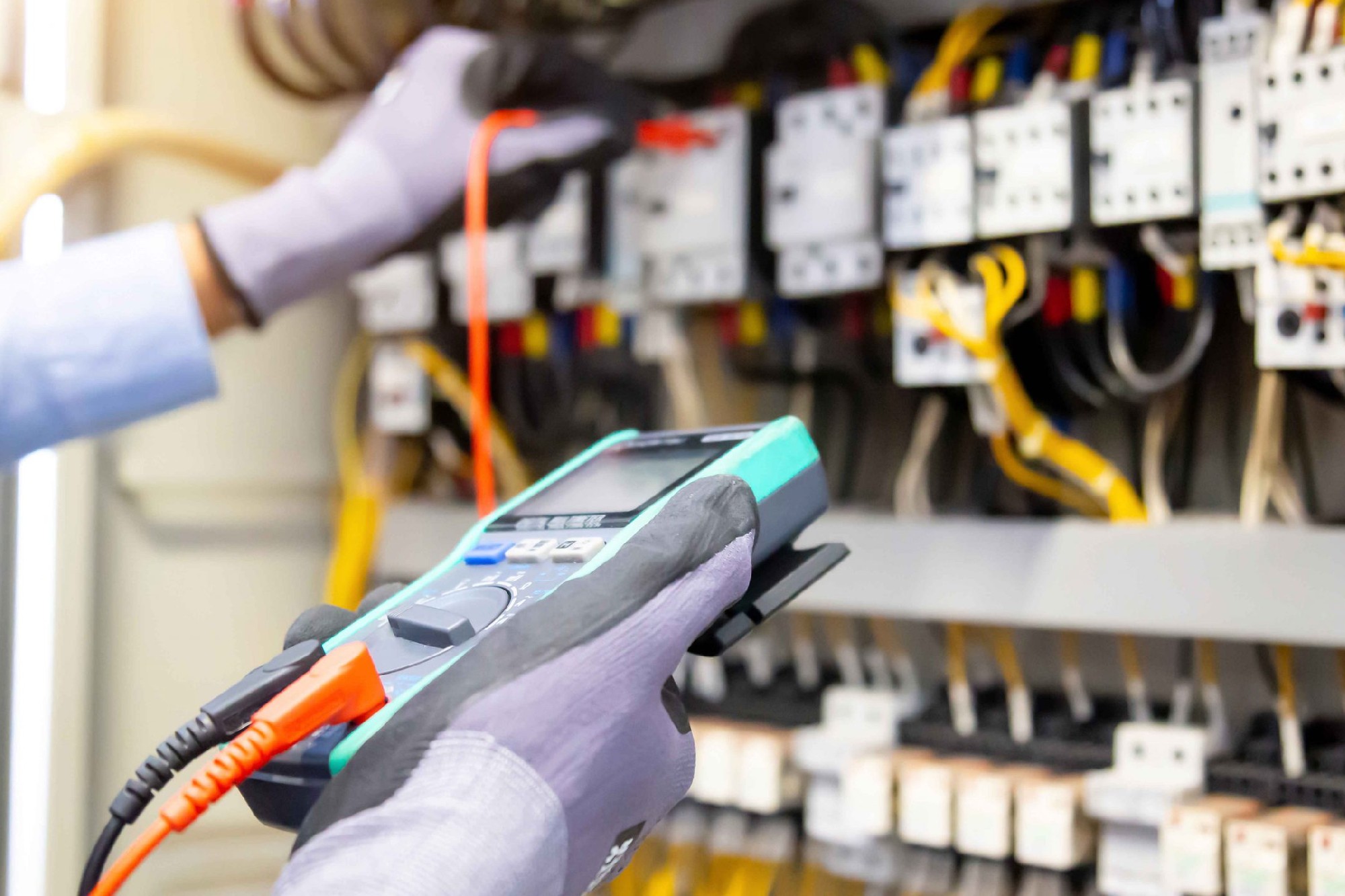
Most commercial buildings should have a professional electrical safety inspection at least once a year, with more frequent inspections recommended for older buildings, industrial facilities, or spaces with heavy equipment use. The right frequency for your specific business depends on the age of your building, how much electrical demand it carries, and whether you’ve had any warning signs of electrical issues recently. Below, we break down exactly how to think about this for your business, and why staying ahead of it matters more than most business owners realize.
Why Electrical Safety Inspections Matter for Your Business
An electrical safety inspection isn’t just a compliance checkbox. It’s one of the most effective ways to catch a developing problem before it turns into downtime, a safety hazard, or an expensive emergency repair. Electrical systems don’t typically fail without warning, they degrade gradually, and a professional inspection is designed to catch that degradation while it’s still a minor, manageable issue rather than after it’s already caused a failure. For a business, that difference can mean avoiding a shutdown that costs far more than the inspection itself ever would.
How Often You Should Schedule One, Based on Your Situation
There’s no single answer that fits every business, but here’s how we generally recommend thinking about frequency:
- Standard commercial spaces (offices, small retail, general business use): once every 12 months is typically sufficient for most well-maintained buildings.
- Restaurants and food service businesses: every 6 to 12 months, given the higher electrical demand from commercial kitchen equipment and the added fire risk that comes with it.
- Industrial and manufacturing facilities: every 6 months or on a schedule tied to your equipment’s operating hours, especially where heavy machinery and continuous production create ongoing electrical stress.
- Buildings over 25 years old: annually at minimum, regardless of use, since aging wiring and outdated panels are more prone to developing issues even without visible symptoms.
- Properties that have recently added major equipment or gone through a renovation: an inspection shortly after the change, in addition to your regular schedule, to confirm the updated system is handling the new demand safely.
- Buildings with a history of electrical issues, such as frequent breaker trips or past panel problems: more frequent inspections, often every 3 to 6 months, until the underlying issue is fully resolved and the system has proven stable.
What a Professional Electrical Safety Inspection Actually Includes
A thorough commercial inspection covers more than a quick visual check. Here’s what we typically evaluate during a full inspection:
- Panel and breaker condition, checking for signs of overheating, corrosion, or components nearing the end of their service life.
- Wiring integrity, looking for outdated wiring types, damaged insulation, or connections that no longer meet current code.
- Grounding and bonding, confirming your system is properly grounded to protect both equipment and people from electrical faults.
- Outlet and switch condition, particularly in high-use areas or spaces exposed to moisture, where wear happens faster.
- Load capacity, evaluating whether your current electrical demand is within a safe margin for your panel and wiring, or approaching a level that puts strain on the system.
Thermal imaging scans, using infrared cameras to detect overheating connections or components that aren’t yet visibly failing but are already running hotter than they should.
Code compliance review, flagging anything that no longer meets current commercial electrical code, which matters both for safety and for avoiding issues during future permitting or inspections.
Why Thermal Imaging Is a Critical Part of a Modern Inspection
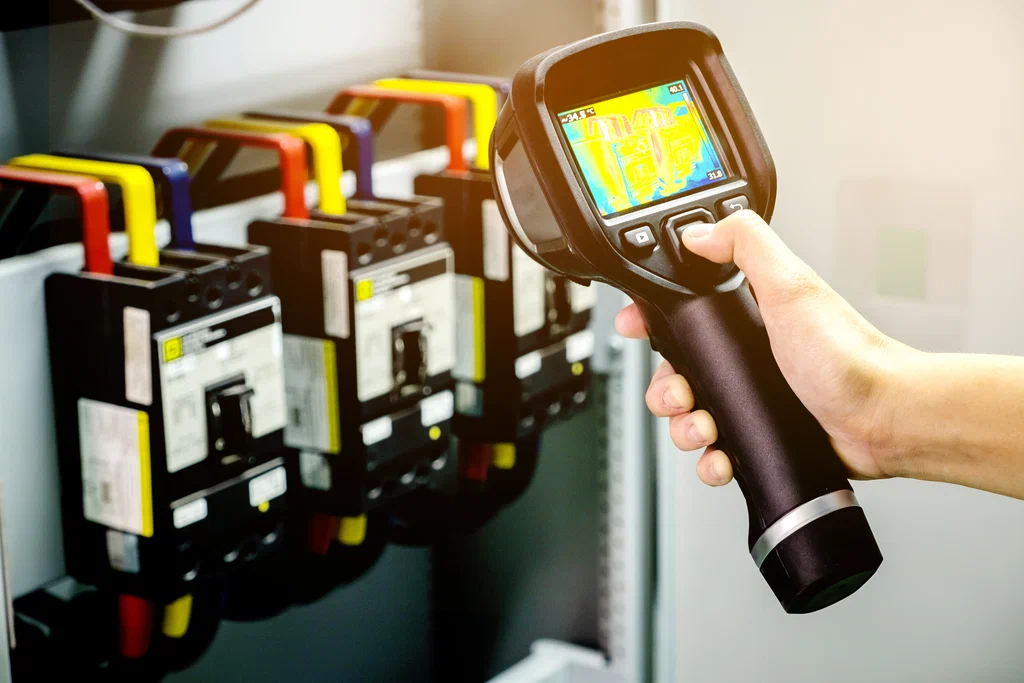
A visual inspection alone can miss problems that haven’t become visible yet. Thermal imaging changes that. By capturing infrared images of your panel and equipment under real operating conditions, we can identify connections and components that are running hotter than normal, often the earliest sign of a developing failure, well before it causes a visible symptom or an outage. This is especially valuable for businesses that can’t afford unplanned downtime, since it shifts your maintenance approach from reactive to proactive.
Insurance and Compliance Considerations
Beyond safety, regular electrical inspections can matter for your business in ways that aren’t always obvious upfront. Some commercial insurance policies factor electrical system condition into coverage terms, and documented, regular inspections can support your position if a claim is ever filed related to an electrical issue. Staying current on inspections also keeps you ahead of code compliance requirements, which matters if you’re planning any future renovation, expansion, or equipment addition that will require permitting.
Signs You Shouldn't Wait for Your Scheduled Inspection
Even with a regular inspection schedule in place, certain signs mean you shouldn’t wait for the next scheduled visit. Frequent breaker trips, flickering lights, warm outlets or panel covers, burning smells, or visible discoloration around outlets or the panel are all signs worth addressing immediately rather than at your next annual checkup. A licensed electrical contractor should be able to fit in an urgent evaluation quickly when any of these come up.
What Happens After the Inspection
An inspection is only useful if you know what to do with the results. A well-run electrical safety inspection should end with a few clear things:
- A written report that separates findings into categories, typically something like urgent issues that need immediate attention, items worth addressing in the near term, and things that are simply worth monitoring going forward.
- Clear next steps for anything flagged as urgent, including a straightforward explanation of the risk involved and what fixing it would require.
- A realistic timeline recommendation for follow-up work, rather than a vague “you should get this looked at eventually.”
- Documentation you can keep on file, which matters for insurance purposes, future property sales, or simply having a record of your building’s electrical history over time.
If an inspection report you receive doesn’t give you this level of clarity, it’s worth asking the contractor directly for more detail. A report that’s difficult to understand or missing clear next steps isn’t giving you the full value of the inspection itself.
Building a Long-Term Inspection Relationship, Not a One-Time Visit
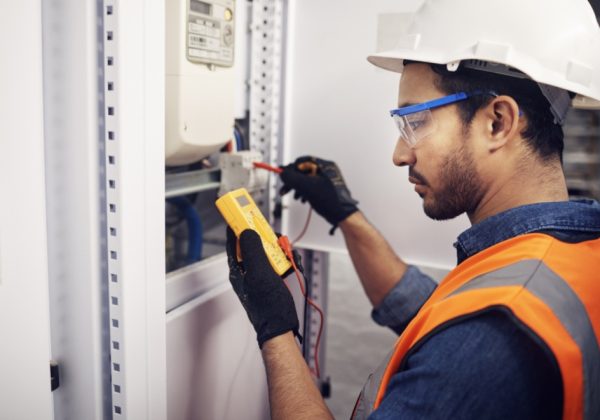
The businesses that get the most value out of electrical safety inspections tend to treat it as an ongoing relationship with one contractor rather than a one-off service they shop around for every time. A contractor who’s inspected your building before has a baseline to compare against, which makes it much easier to catch a developing issue, since they know what “normal” looks like for your specific electrical system. Starting fresh with a new contractor every time means starting that baseline over, which can make subtler warning signs harder to catch early.
How We Handle Inspections at Rolwes Electric
As a commercial electric company based in Wentzville, MO we’ve provided electrical safety inspections, including thermal imaging diagnostics, for businesses throughout St. Charles County for more than 11 years. Our inspections are built around your building’s actual age, equipment, and usage patterns, not a generic checklist applied the same way to every property. After every inspection, you’ll receive a clear report of what we found, what needs attention now, and what’s worth monitoring going forward, so you can make informed decisions about your building rather than guessing at what a vague summary means.
If it’s been more than a year since your last inspection, or you’re not sure when your last one even happened, that’s usually a good sign it’s time to schedule one.
Frequently Asked Questions
Is an annual electrical inspection legally required for commercial buildings?
Requirements vary by municipality and industry, and some businesses, particularly those in food service or with certain insurance policies, may have specific inspection obligations. It’s worth checking with your local building department or insurance provider, but even where it isn’t strictly required, an annual inspection is widely considered a best practice for commercial properties.
How long does a commercial electrical safety inspection take?
Most standard commercial inspections take a few hours, depending on the size of the building and the complexity of the electrical system. Larger facilities or those with more extensive equipment may take longer to fully evaluate.
What's the difference between a safety inspection and a thermal imaging scan?
A full safety inspection covers a broad range of items, including wiring, grounding, panel condition, and code compliance. Thermal imaging is a specific diagnostic tool often used as part of that broader inspection, focused specifically on detecting overheating components using infrared imaging.
Does a new commercial building still need regular inspections?
Yes. While a new building starts with code-compliant wiring, ongoing use, equipment additions, and normal wear still create the same need for regular monitoring over time. Starting a consistent inspection schedule early is easier than trying to catch up after years without one.