
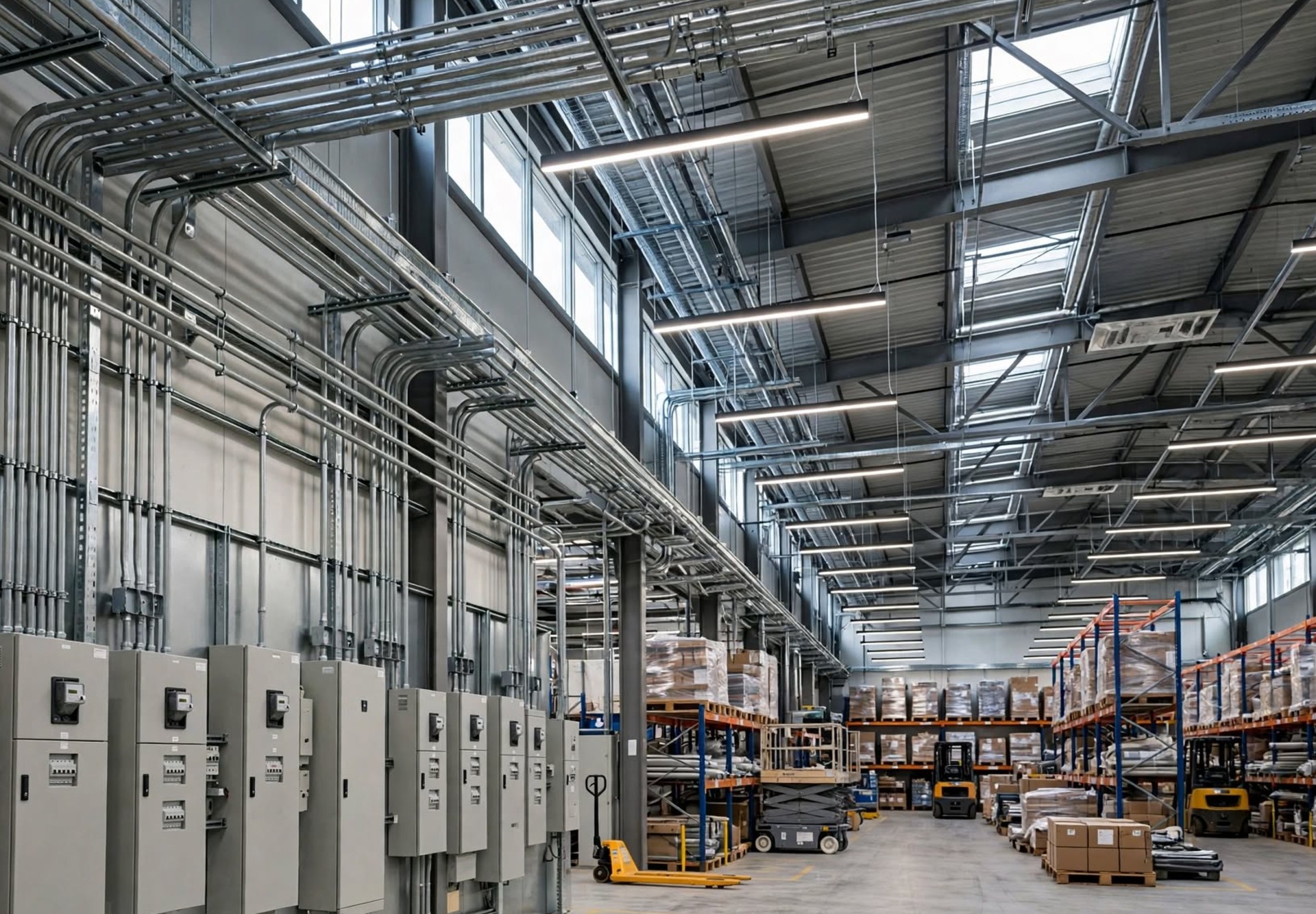
Quick answer: Warehouse electrical systems need enough power capacity for your equipment, reliable lighting, properly protected circuits, and regular inspections. Owners should plan for growth, watch for warning signs like tripping breakers and warm panels, and hire a licensed commercial electrician for upgrades, repairs, and safety checks.
A warehouse runs on electricity more than most owners realize. Lighting, dock doors, conveyors, battery chargers, climate control, security, and office systems all depend on the same electrical system. When it falls behind, you feel it in downtime, safety risk, and repair bills.
This guide explains what business owners should know about warehouse electrical systems, whether you operate in Wentzville or elsewhere in the St. Louis region.
What makes a warehouse electrical system different
A warehouse isn’t a large office. Its electrical needs are usually heavier and more varied:
- Higher power demand. Motors, conveyors, charging stations, and shop equipment pull more power than typical office loads.
- Three-phase power. Many industrial machines run on three-phase service, which has to be sized and installed correctly.
- Large open spaces. High ceilings need high-bay lighting, and long wire runs need careful planning.
- Changing layouts. Racking, equipment, and workflows change over time, and the electrical system has to change with them.
- Tougher conditions. Dust, vibration, moisture, and temperature swings wear on equipment faster than in a clean office.
The main parts of a warehouse electrical system
Service and main panels
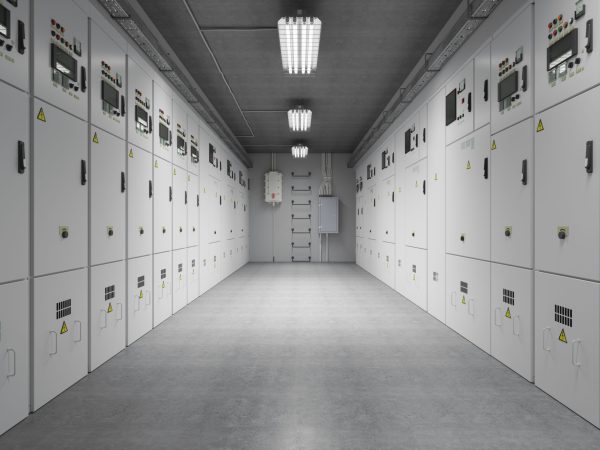
This is where power enters the building. The service size sets how much total load you can run. If you’ve added equipment since the building was wired, you may be close to capacity without knowing it.
Distribution panels and circuits
Lighting
Good lighting affects safety, productivity, and energy costs. Many warehouses move to LED high-bay fixtures, and lighting controls such as motion sensors can cut energy use further.
Power for equipment
Forklift chargers, conveyors, dock equipment, compressors, and machinery need dedicated, correctly sized circuits and protection.
Emergency and backup systems
Emergency lighting, exit signs, and, where needed, backup power keep people safe and operations moving during an outage.
Grounding and protection
Proper grounding and surge protection guard people and equipment. Sensitive electronics, like scanners and controls, are especially vulnerable to power problems.
Warning signs your warehouse electrical system needs attention
Call a licensed electrician if you notice:
- Breakers that trip repeatedly
- Lights that flicker or dim when equipment starts
- Panels, outlets, or cords that feel warm
- A burning smell with no clear source
- Equipment that runs hot, stalls, or shuts down unexpectedly
- Extension cords and power strips used as permanent wiring
- Panels that are crowded, rusted, or blocked by storage
If you smell smoke or see flames, evacuate and call 911 first.
What business owners should plan for
Capacity for growth. Before adding racking, machinery, or a charging area, have an electrician check that your service and panels can handle the added load.
Safe equipment charging. Battery charging for forklifts and other equipment needs the right circuits, ventilation, and layout. Ask an electrician to review your setup against current requirements.
Maintenance, not just repairs. Regular inspections catch loose connections and overloaded circuits before they cause downtime. Thermal imaging can find hot spots in panels and equipment without shutting your operation down.
Code and permits. Electrical work should follow the National Electrical Code and local requirements, with permits and inspections where required. This protects your building, your people, and your insurance coverage.
Energy efficiency. Lighting upgrades and controls often pay back through lower power bills and fewer replacements.
Questions to ask before hiring an electrical contractor
- Are you licensed and insured to do commercial and industrial work?
- Do you have experience with warehouses and three-phase systems?
- Will you work around our operating hours to limit downtime?
- Do you handle permits and inspections?
- Can you help with maintenance and inspections, not just installs?
Frequently Asked Questions
How do I know if my warehouse has enough electrical capacity?
Warning signs include tripping breakers, dimming lights, and overloaded circuits. A commercial electrician can review your service size and panel loads, then recommend upgrades before you add equipment.
What is three-phase power, and does my warehouse need it?
Three-phase power is a type of electrical service used for larger motors and industrial equipment. If your machinery requires it, your service and panels must be set up for it.
How often should a warehouse have an electrical inspection?
It depends on the building’s age, equipment, and your insurer’s requirements. Many businesses schedule regular inspections and add thermal imaging as part of a maintenance plan. A licensed electrician can recommend the right schedule.
Are LED lighting upgrades worth it for a warehouse?
Often yes. LED high-bay lighting typically uses less energy and lasts longer than older fixtures, and it can improve visibility. Savings depend on your current lighting and hours of operation.
Can I add equipment without upgrading my electrical system?
Sometimes, but not always. Adding load to a system that is already near capacity can cause overheating and outages, so get it checked first.
When should I call a commercial electrician?
Call when you see warning signs, plan to add equipment or expand, are buying or leasing a building, or haven’t had an inspection in years.
Local electrical help for Wentzville warehouses
Rolwes Electric is a commercial and industrial electrical contractor based in Wentzville, MO. We serve businesses across Lincoln County, Warren County, O’Fallon, St. Peters, and the surrounding area. Whether you need a capacity review, a lighting upgrade, or ongoing maintenance, we can help keep your warehouse safe and running.
Call 314-249-5563 or request a quote to talk with our team.