
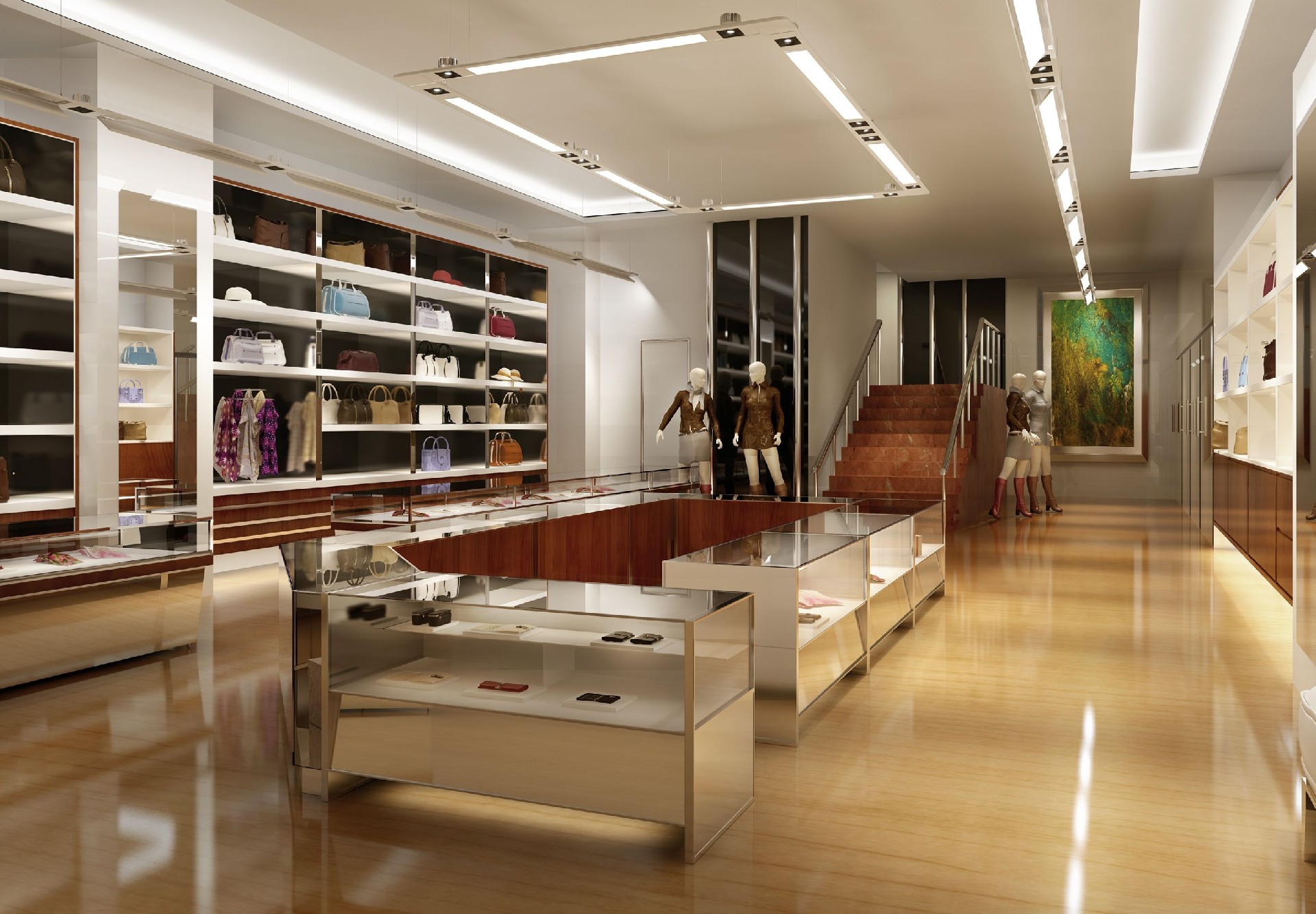
Retail store lighting does more than illuminate a sales floor. The right lighting system needs to support product visibility, customer movement, employee safety, displays, signage, and the day-to-day electrical demands of the business.
If you are opening a new retail store, remodeling an existing location, or replacing outdated fixtures, choosing the right retail store lighting electrician early can help you identify electrical requirements before installation begins.
What Should You Know Before Hiring a Retail Store Lighting Electrician?
Before hiring an electrician, determine what type of lighting your store needs, whether the existing electrical system can support the project, where fixtures and controls will be located, and whether the project involves new construction, a tenant build-out, or a retrofit.
A professional evaluation should consider:
- Existing electrical service and panel capacity
- General store lighting
- Display and accent lighting
- Track or specialty lighting
- LED fixtures and retrofit options
- Lighting controls
- Emergency and exit lighting
- Exterior and storefront lighting
- Signage power
- Fixture locations and mounting
- Applicable permits and electrical requirements
The right approach depends on the building, store layout, lighting plan, existing wiring, and intended use of the space.
What Types of Lighting Do Retail Stores Need?
Retail stores rarely rely on one type of lighting. A lighting plan may combine several layers to create adequate illumination while directing attention toward products and important areas.
General or Ambient Lighting
General lighting provides the overall illumination for the sales floor, aisles, stock areas, offices, and other regularly occupied spaces.
The fixture type and layout depend on factors such as ceiling height, floor area, merchandise arrangement, and the design of the space.
Display and Accent Lighting
Display lighting can provide additional illumination for merchandise, shelving, counters, product displays, or featured areas.
Accent lighting may be particularly useful when a retailer wants flexibility to highlight changing displays without redesigning the entire lighting system.
Track Lighting
Track lighting can provide flexibility because individual fixtures can be positioned toward merchandise or displays.
The electrical requirements still need to be considered as part of the overall lighting and circuit design.
Storefront and Exterior Lighting

Exterior lighting can include:
- Storefront lighting
- Entry lighting
- Signage lighting
- Wall-mounted fixtures
- Parking or pedestrian-area lighting
- Security lighting
The exact requirements depend on the property, site conditions, local requirements, and the scope of the project.
Should a Retail Store Use LED Lighting?
LED lighting is commonly considered for new retail installations and lighting upgrades because it can provide efficient illumination and a range of fixture and color-temperature options.
However, replacing fixtures is not always as simple as removing an old light and installing an LED fixture.
An electrician may need to evaluate:
- Existing wiring
- Circuit capacity
- Fixture compatibility
- Mounting locations
- Controls
- Dimming requirements
- Panel and circuit conditions
- Existing lighting layout
For an existing store, a lighting assessment can help determine whether a complete replacement, partial retrofit, or targeted upgrade makes the most sense.
How Does Retail Lighting Affect the Electrical System?
Lighting is part of the store’s overall electrical load. The project may also include power for point-of-sale equipment, computers, refrigeration, HVAC, security systems, displays, signage, and other business equipment.
That means a lighting project should not be planned in isolation.
Before adding a substantial amount of new lighting, an electrician may need to evaluate the existing service, panels, branch circuits, and available capacity.
For a new build-out, lighting should be coordinated with the broader electrical design from the beginning.
What Should a Retail Store Lighting Electrician Check?
A site evaluation can identify problems that may not be obvious from a lighting fixture list alone.
Existing Electrical Panels
The electrician should determine whether the existing panels and circuits can support the proposed lighting and other equipment.
Existing Wiring
Older wiring or wiring that has been modified over time may require evaluation before new fixtures or circuits are added.
Circuit Locations
Ceiling and Mounting Conditions
Lighting Controls
Depending on the project, controls may include switches, dimmers, occupancy sensors, daylight-responsive controls, or other control systems.
Emergency Lighting
Emergency and exit-related lighting should be addressed as part of the overall electrical planning where required by the applicable building and electrical requirements.
What About Retail Lighting Controls?
Lighting controls can provide more flexibility than simply turning an entire store’s lighting system on or off.
Depending on the project, controls may allow separate operation of:
- Sales-floor lighting
- Display lighting
- Offices
- Stockrooms
- Exterior lighting
- Signage
- Security lighting
The appropriate control strategy depends on the store layout, operating schedule, lighting system, and applicable requirements.
For larger retail projects, controls should be planned before installation rather than added as an afterthought.
How Much Does Retail Store Lighting Installation Cost?
There is no reliable single price for retail lighting installation because project costs can vary substantially.
Factors that can affect the electrical portion of the project include:
- Number and type of fixtures
- New construction versus retrofit
- Existing electrical capacity
- Panel upgrades
- New circuits
- Ceiling height and access
- Conduit and wiring requirements
- Lighting controls
- Emergency lighting
- Exterior lighting
- Signage
- Permit and inspection requirements
- Project size and schedule
A small lighting retrofit may involve relatively limited electrical work, while a new retail build-out can require substantially more planning, wiring, distribution equipment, and coordination.
The best way to establish project cost is to have the site and scope evaluated before requesting a final installation price.
New Retail Store vs. Existing Store: Does It Change the Electrical Work?
Yes
New Retail Construction
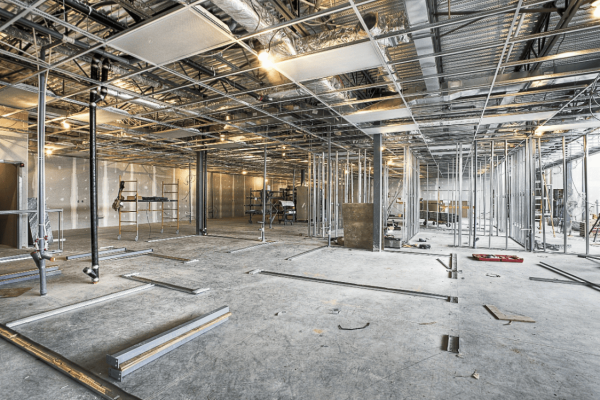
The project may include:
- Electrical service planning
- Panels and distribution
- Branch circuits
- Lighting layouts
- Fixture installation
- Lighting controls
- Emergency lighting
- Exterior lighting
- Signage power
Existing Retail Space
A retrofit or remodel requires the electrician to work with the building’s existing electrical infrastructure.
The first step may be determining what can be reused and what needs to be upgraded.
This can include evaluating existing panels, wiring, circuits, fixtures, and controls before the new lighting plan is finalized.
What Should You Give an Electrician Before Getting a Quote?
The more complete the project information, the easier it is to develop an accurate electrical scope.
If available, provide:
- Store floor plan
- Lighting plan
- Fixture schedule
- Ceiling plan
- Equipment list
- Signage requirements
- Existing electrical drawings
- Panel information
- Desired opening date
- Landlord or property requirements
- Lighting control preferences
If you do not have all of these documents, an electrician can help identify what needs to be established during the site evaluation.
Common Retail Lighting Mistakes to Avoid
Choosing Fixtures Before Evaluating the Electrical System
The fixture itself is only one part of the project. The wiring, circuits, controls, mounting, and available electrical capacity also need to work together.
Treating Every Area the Same
Sales floors, stockrooms, offices, fitting rooms, entrances, and display areas may have different lighting needs.
Waiting Until Construction Is Underway
Late lighting decisions can create coordination problems with ceilings, walls, signage, HVAC, fire protection, and other trades.
Ignoring Future Layout Changes
Retail stores often change displays, shelving, product categories, and floor layouts. A lighting system with appropriate flexibility can make future changes easier.
Focusing Only on Fixture Price
A lower-cost fixture does not necessarily mean a lower-cost project. Installation requirements, controls, wiring, access, maintenance, and electrical upgrades can all affect the total project cost.
Retail Lighting and Missouri Electrical Requirements
Retail electrical work in Missouri can be subject to requirements adopted and enforced by the applicable local jurisdiction. The specific requirements can therefore vary depending on where the store is located and what type of work is being performed.
Before beginning a project, the electrical contractor and project team should confirm the applicable permitting, inspection, electrical, building, and energy-code requirements for the property.
For St. Louis-area retail projects, this local review is particularly important when a project involves a tenant finish, remodel, service upgrade, or significant changes to the electrical system.
When Should You Hire a Retail Store Lighting Electrician?
Ideally, involve the electrician during the planning stage—not after the lighting fixtures have already been selected.
Early electrical involvement can help identify:
- Available electrical capacity
- Circuit requirements
- Panel limitations
- Fixture installation requirements
- Lighting control needs
- Permit considerations
- Coordination issues with other trades
- Potential electrical upgrades
This is especially important for new retail construction and tenant build-outs where electrical work must be coordinated with the overall construction schedule.
Retail Store Lighting Checklist
Before electrical work begins, confirm:
- Store layout and lighting plan
- Fixture types and quantities
- Existing electrical service and panel capacity
- Required lighting circuits
- Display and accent lighting
- Lighting controls
- Emergency and exit lighting
- Exterior and storefront lighting
- Signage power
- Ceiling and fixture mounting requirements
- Applicable permits and inspections
- Future layout or equipment needs
- Construction and opening schedule
Need Electrical Work for a Retail Store?
Retail lighting works best when the lighting plan and electrical system are considered together.
Whether you are opening a new store, completing a tenant build-out, remodeling an existing retail space, or upgrading outdated lighting, a commercial electrician can evaluate the existing system and determine what the project requires.
Rolwes Electric provides commercial electrical services for businesses in Wentzville, St. Charles County, and surrounding St. Louis-area communities.
If your retail project needs lighting installation, electrical upgrades, new circuits, or other commercial electrical work, contact Rolwes Electric to discuss the scope of your project.