
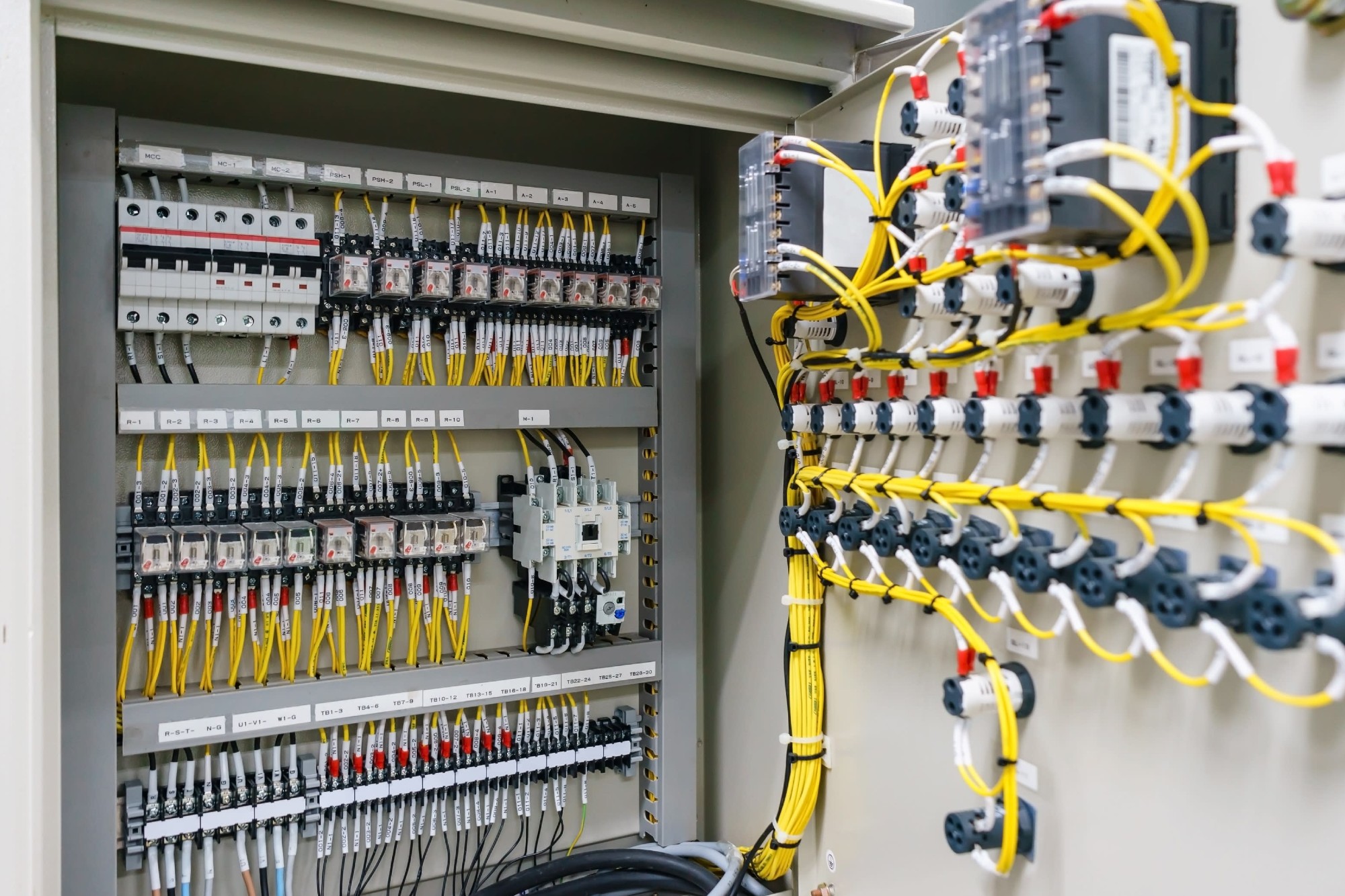
For facilities across Wentzville and St. Charles County that rely on machinery, automation, or continuous operations, an electrical control system isn’t just a technical upgrade, it’s often the difference between smooth, predictable production and a costly, unplanned shutdown. Here are five real reasons it’s worth investing in a professionally designed and installed control system, rather than treating it as an afterthought.
1. Fewer Unplanned Shutdowns
A well-designed control system monitors and manages your equipment in real time, catching issues like voltage irregularities, overloads, or component failures before they cascade into a full stoppage. For facilities where downtime directly costs money, whether through lost production, spoiled inventory, or missed deadlines, this kind of early detection often pays for itself the first time it prevents an outage.
2. Better Coordination Between Equipment
As facilities add more machinery over time, keeping everything working together safely and efficiently gets harder without a centralized system managing it. A properly designed control system coordinates multiple pieces of equipment, from motors to sensors to safety interlocks, so they operate in sync rather than as a patchwork of individually wired components. This reduces both electrical strain and the risk of equipment conflicts.
3. Improved Safety for Employees and Equipment
Control systems aren’t just about efficiency, they’re a core part of facility safety. Features like automatic shutoffs, overload protection, and safety interlocks are designed to prevent equipment from operating in unsafe conditions, protecting both employees working near machinery and the equipment itself from damage. A professionally installed system follows current code requirements, which a patched-together or outdated setup often doesn’t.
4. Scalability as Your Facility Grows
A control system built by an experienced electrical contractor is designed with future capacity in mind, not just your current equipment. That means when you add a new production line, upgrade machinery, or expand operations, the system can typically accommodate that growth without a full rebuild. Facilities that skip this planning often find themselves paying more later to retrofit a system that should have been designed for scale from the start.
5. Lower Long-Term Maintenance and Energy Costs
Modern control systems are typically more energy-efficient than older, manually managed setups, since they can optimize equipment run-time and reduce unnecessary load.
They also make maintenance more predictable: instead of reacting to failures as they happen, a facility with a well-monitored control system can plan maintenance around actual equipment condition, which tends to be far less expensive than emergency repairs.
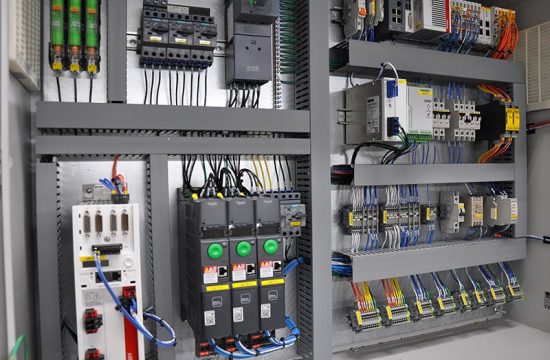
Signs Your Facility Needs a Control System Upgrade
A control system doesn’t always fail all at once, it usually shows warning signs first. A few worth paying attention to:
Frequent, unexplained equipment trips or shutdowns that don’t trace back to an obvious single cause.
Manually monitoring or adjusting equipment that should be automated, because the current system can’t handle it on its own.
Recent additions of new machinery that were wired in as an afterthought rather than integrated into a coordinated system.
Difficulty diagnosing where a problem is coming from when something does go wrong, because there’s no centralized monitoring to point you to the source.
An electrical panel or control setup that’s noticeably older than the equipment it’s now supporting.
Any one of these on its own might not be urgent, but a combination of them is usually a sign the current system is being asked to do more than it was designed for.
What the Installation Process Looks Like
A professional control system installation typically starts with a site assessment, where the contractor evaluates your current equipment, wiring, and how your facility actually operates day to day. From there, the design phase maps out how equipment will be coordinated, what safety features are needed, and how the system should scale for future growth.
Installation itself is usually planned around your operational schedule as much as possible, to minimize disruption to ongoing work. After installation, a properly done job includes testing every component under real operating conditions, not just a basic power-on check, before the system is considered complete.
Control Systems from Rolwes Electric
Rolwes Electric designs and installs electrical control systems for industrial and commercial facilities throughout Wentzville and the greater St. Charles County region. Our work includes control system design, automation, equipment tie-ins, and generator connections, built around how your specific facility actually operates rather than a one-size-fits-all setup.
With more than 11 years of experience and full licensing, bonding, and insurance, our team works to keep your facility running safely and efficiently, whether that means designing a new system from the ground up or upgrading an existing setup that’s starting to show its age.
If your facility is dealing with frequent equipment issues, planning an expansion, or simply running on an outdated control setup, it’s worth a conversation before those issues turn into downtime.
Frequently Asked Questions
What is an electrical control system?
An electrical control system manages and monitors equipment such as motors, sensors, and machinery within a facility, coordinating how they operate together and protecting against unsafe conditions like overloads or voltage irregularities. It can range from a single motor control center to a facility-wide automation setup.
Do small facilities need a control system, or only large industrial plants?
Any facility with multiple pieces of interdependent equipment can benefit from a properly designed control system, not just large industrial operations. The right scale depends on how much equipment you’re coordinating and how costly downtime is for your operation, which is worth discussing with an experienced electrical contractor.
How long does it take to install a control system?
In many cases, yes. Depending on the age and condition of the current system, it’s often possible to upgrade specific components or expand capacity rather than rebuilding from scratch, which can meaningfully reduce both cost and downtime during the transition.