
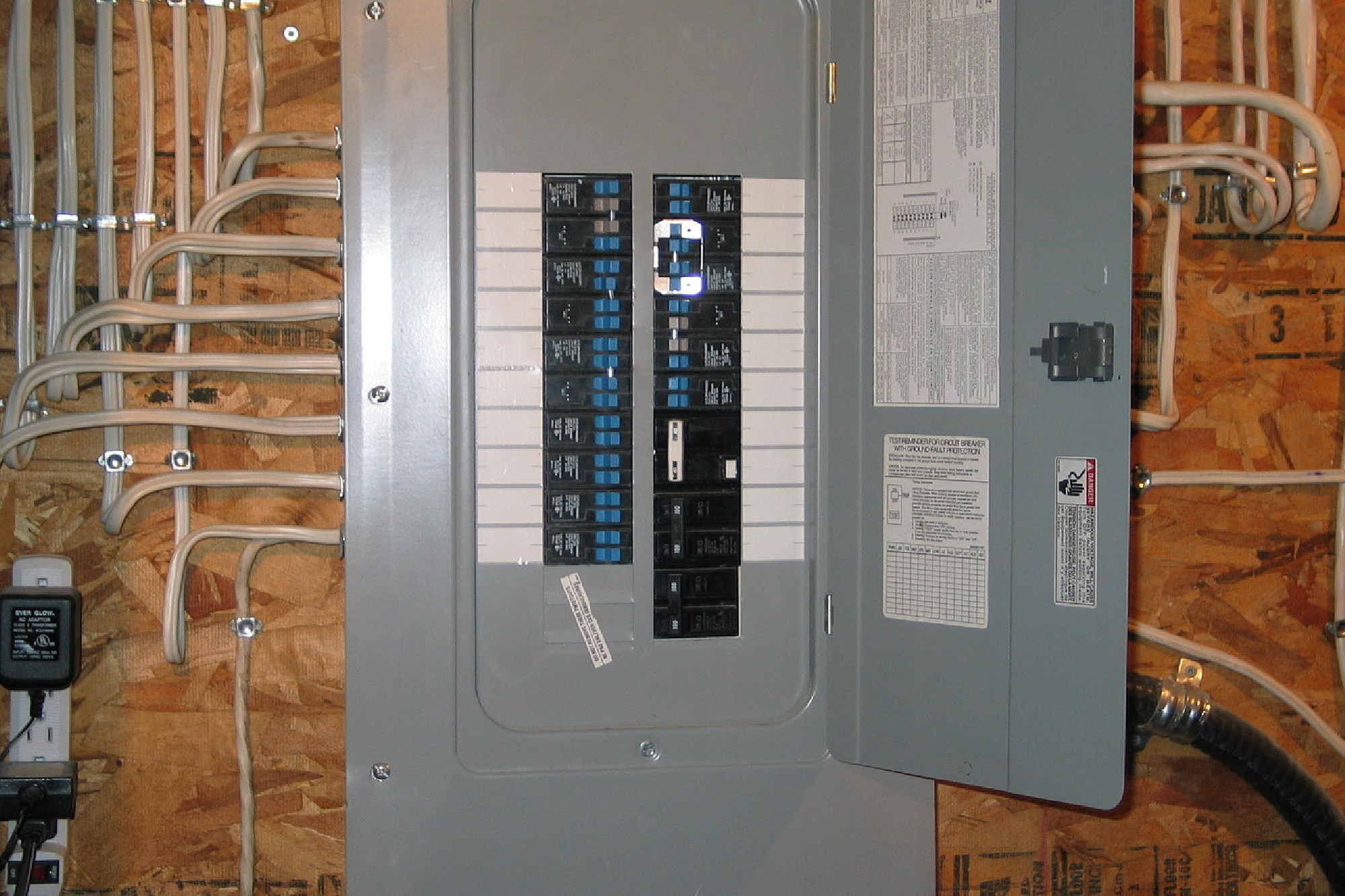
Your electrical panel is the backbone of every system in your building, from lighting and HVAC to the equipment that keeps your business running day to day. When it’s undersized, outdated, or simply worn out, the signs don’t always announce themselves clearly. Many business owners in Wentzville and the surrounding St. Charles County area live with a struggling panel for months before realizing it’s the actual root cause of ongoing electrical problems. Here’s what we, as a commercial electrical company, look for when we assess whether a panel is due for an upgrade.
Why Commercial Electrical Panels Age Out
A panel that was properly sized when a building was constructed doesn’t necessarily stay adequate over time. Businesses add equipment, expand square footage, install new HVAC systems, or shift how a space is used, and each of those changes increases demand on a panel that may have been designed for a much lighter load decades earlier. Older commercial buildings in particular are prone to this, since many were wired to standards and demand levels that no longer reflect how the space is actually used today. A panel doesn’t need to be broken to be a problem. It just needs to be undersized for what you’re now asking it to do.
Eight Warning Signs Worth Taking Seriously
Frequent breaker trips. If breakers are tripping regularly, especially under normal daily operations rather than during unusual equipment use, that’s often a sign your panel is being pushed past its intended capacity.
Flickering or dimming lights. Lights that dim when other equipment kicks on, such as HVAC systems or larger machinery, can indicate the panel isn’t distributing power evenly or adequately across your building’s demands.
Warm panel covers or outlets. A panel or outlet that feels warm to the touch is never something to ignore. This can point to overloaded circuits or aging components that are no longer handling current safely.
Burning smells or visible discoloration. Any burning smell near your panel, or scorch marks and discoloration on the panel itself, is a sign of a real and potentially urgent electrical hazard that needs professional attention right away.
Buzzing or humming sounds. Panels should operate quietly. A persistent buzzing or humming noise often indicates loose connections or components under stress.
Reliance on power strips and extension cords. If your team regularly uses power strips or extension cords to make up for a lack of adequate outlets, that’s a strong sign your panel and circuit layout no longer match how the space is actually being used.
A panel using fuses instead of breakers. Fuse-based systems are considered outdated for most commercial applications today. If your building still relies on one, it’s very likely due for a modern panel upgrade regardless of how it’s currently performing.
Recent additions of new equipment or renovations. Adding significant new equipment, expanding square footage, or renovating a space are all common triggers for a panel that was previously adequate to suddenly become insufficient.
Why an Upgrade Matters Beyond Convenience
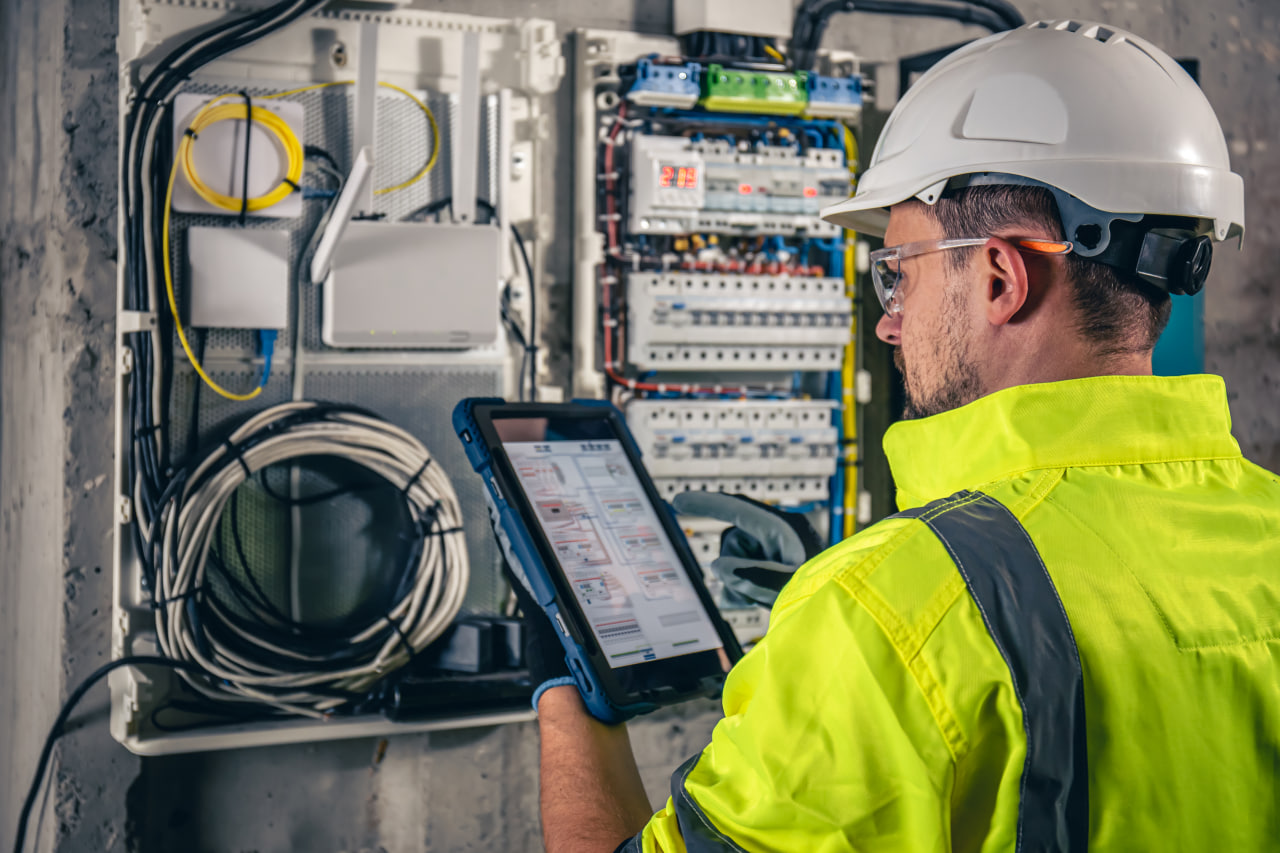
A panel upgrade isn’t just about eliminating an annoyance. An undersized or aging panel is a genuine safety risk, since overloaded circuits and failing components are a leading contributor to electrical fires in commercial buildings.
Beyond safety, an inadequate panel can limit your business’s ability to grow, since you won’t have the capacity to add equipment, expand operations, or support increased demand without addressing the underlying electrical infrastructure first.
Many insurance providers also factor electrical system condition into commercial policies, and an outdated panel can sometimes affect coverage or premiums, particularly for older buildings that haven’t been updated.
What the Panel Upgrade Process Typically Looks Like
A qualified electrical contractor will start with an on-site assessment of your current panel, wiring, and overall electrical demand, rather than assuming a standard upgrade fits every building. From there, the scope of the upgrade depends on what your specific space needs, whether that’s a straightforward panel swap or a larger increase in overall service capacity.
Commercial panel upgrades in Missouri require permits and a final inspection, which a licensed electrical contractor should handle as part of the project rather than leaving it to you to navigate. Once complete, your building should have both the safety margin and the growth capacity to support your operations well into the future, not just meet today’s demand.
If you’re weighing the cost of a panel upgrade against other priorities, it’s worth reading through how we approach commercial electrical project costs generally, since panel work is one of the more common projects business owners in this area ask us about.
Common Commercial Panel Sizes and What They Support
Not every building needs the same panel capacity, and understanding roughly what different sizes support helps make sense of why your specific building might be falling short. A 100-amp service is typically only adequate for a very small commercial space with minimal equipment, and most modern commercial buildings have already outgrown it. A 200-amp panel is common in small to mid-sized offices, retail spaces, and restaurants, and covers standard lighting, HVAC, and typical business equipment. Buildings with heavier demand, such as larger restaurants with substantial kitchen equipment, multi-tenant properties, or spaces running specialized machinery, often require 400-amp service or a three-phase system entirely. If your building’s current panel size doesn’t match the category your business actually falls into, that mismatch alone can explain a lot of the electrical issues you’ve been dealing with.
Repair or Full Upgrade: How to Tell the Difference
Business owners often aren’t sure whether what they’re experiencing calls for a full panel replacement or something smaller. A few patterns help clarify which situation you’re actually in. If the issue is isolated to a single circuit or a specific piece of equipment, that’s often a targeted repair rather than a sign the whole panel is failing. If the issue is building-wide, happens across multiple circuits, or gets worse every time you add new equipment, that’s a much stronger sign the panel itself has reached its limit. Age matters too: a panel under 15 years old showing isolated symptoms is more likely a repair, while a panel over 25 years old showing any of the warning signs above is worth a full evaluation regardless of how minor the symptom seems.
Scenarios We See Often in Wentzville and St. Charles County Businesses
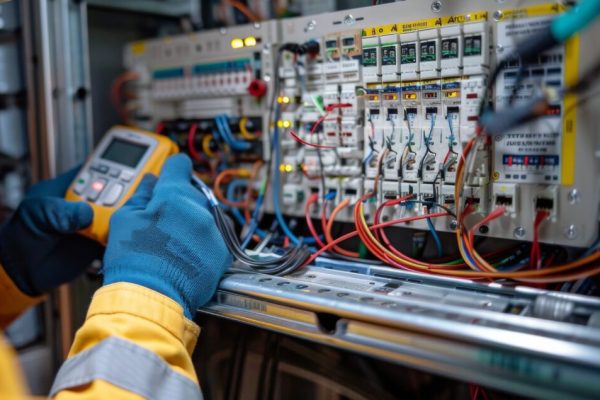
A few patterns come up repeatedly across the commercial properties we work on in this area. Restaurants frequently outgrow their panel after adding new kitchen equipment, since commercial cooking, refrigeration, and HVAC together draw significantly more power than a building’s original electrical design accounted for. Retail spaces often run into panel limitations after a lighting retrofit or a buildout that added point-of-sale systems, security equipment, and updated HVAC on top of an older base electrical system.
Office spaces that were originally designed for a smaller headcount or lighter equipment load sometimes hit capacity issues after an expansion, a remodel, or a shift toward more power-dependent technology in the workspace. None of these situations are unusual, and in most cases, they’re identifiable and addressable before they become a bigger problem.
Planning for Future Growth, Not Just Today's Needs
One of the most common mistakes we see is a business upgrading a panel to meet current demand exactly, without any buffer for growth. If you’re planning to add equipment, expand square footage, or grow your team within the next few years, it’s worth discussing that with your electrical contractor before the upgrade is finalized, not after. Sizing a panel with some reasonable headroom for future demand is often only a modest difference in upfront cost, but it can save you from paying for a second upgrade sooner than necessary. A good commercial electric work company should ask about your business’s direction, not just its current electrical symptoms, before recommending a specific panel size.
Getting an Honest Assessment
Not every warning sign automatically means you need a full panel replacement. Sometimes a smaller repair or a targeted circuit upgrade solves the problem without the cost of a full panel swap. This is exactly why we recommend having a licensed commercial electric company evaluate your specific situation rather than guessing based on symptoms alone. We’ve assessed and upgraded panels for businesses throughout Wentzville and St. Charles County for more than 11 years, and we always start with an honest evaluation of what your building actually needs, not the most expensive option available.
If any of these signs sound familiar, it’s worth having your panel evaluated before a manageable issue turns into an unplanned shutdown.
Frequently Asked Questions
How often do commercial electrical panels need to be replaced?
There’s no fixed timeline that applies to every building, but panels that are 25 to 40 years old, or that were sized for significantly lower demand than a building now has, are commonly due for evaluation. Age alone isn’t the only factor; actual usage and demand matter just as much.
Can I keep using my building while a panel upgrade is being done?
In many cases, yes, though there is typically a planned power outage for at least part of the installation. A licensed electrical contractor should work with you to schedule the disruption at a time that minimizes impact on your operations.
Is a flickering light always a sign of a panel problem?
Not always. Flickering can sometimes be caused by a loose bulb, a faulty fixture, or a single bad circuit rather than the panel itself. That said, if flickering happens building-wide or coincides with other equipment turning on, it’s worth having the panel evaluated to rule out a larger issue.
What happens if I ignore these warning signs?
Ignoring panel warning signs increases the risk of an unplanned outage, equipment damage, or in more serious cases, an electrical fire. Addressing the issue proactively is almost always less disruptive and less costly than dealing with a failure after the fact.