
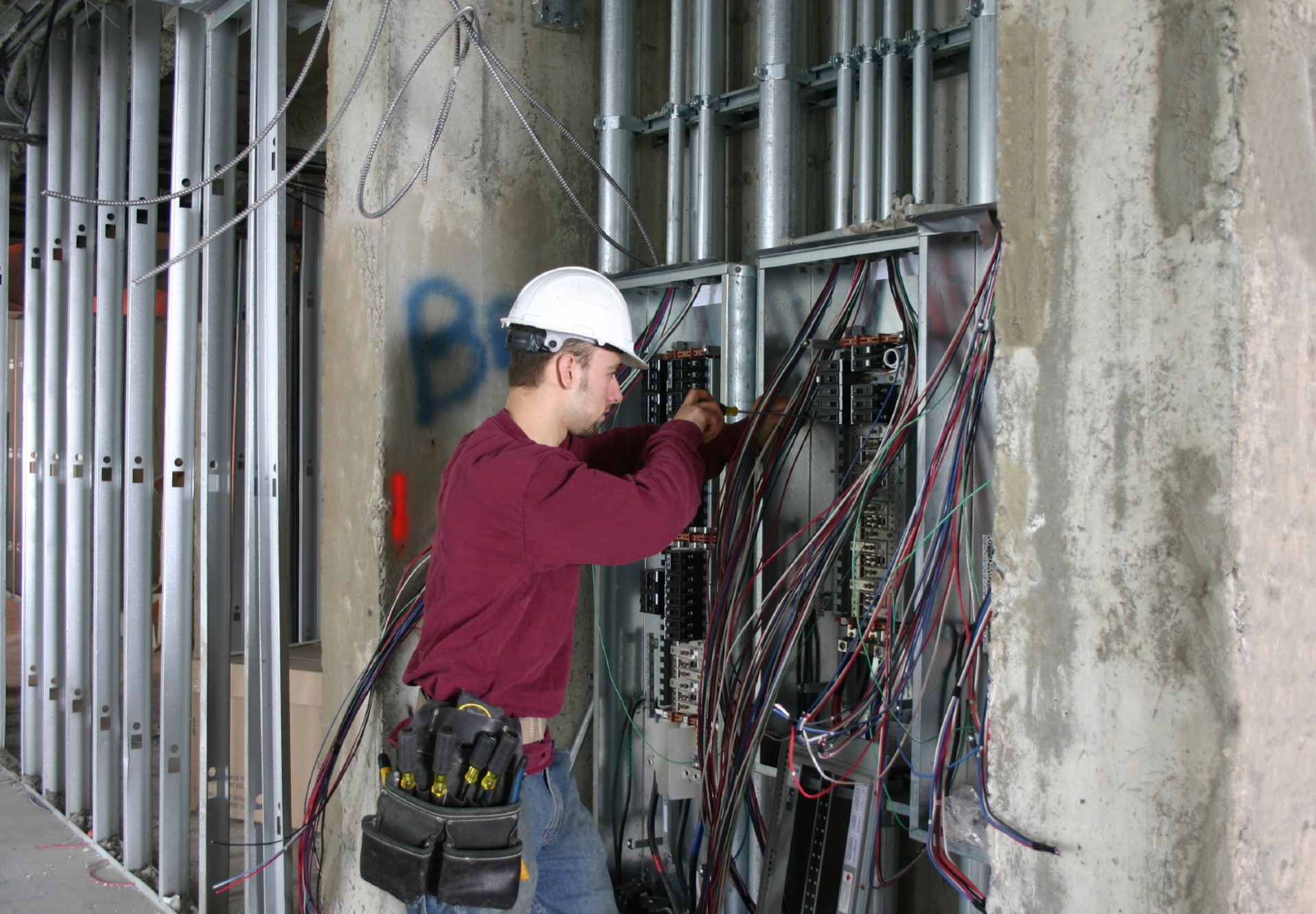
Electrical wiring plays an important role in keeping a commercial building safe, functional, and ready for daily operations. As a business grows, equipment changes, and electrical demands increase, an existing wiring system may no longer meet the property’s needs.
For commercial property owners in Wentzville, O’Fallon, and St. Charles County, recognizing the signs of aging or damaged wiring can help identify problems before they disrupt business operations. Not every older building needs a complete rewiring, but warning signs, renovation plans, and changes in electrical demand are good reasons to have the system evaluated.
At Rolwes Electric, we provide commercial and industrial electrical services to help businesses assess their electrical systems and plan appropriate improvements.
7 Signs Your Commercial Building May Need a Wiring Upgrade
Electrical problems do not always mean an entire building needs new wiring. However, recurring issues, visible damage, and changes in how a building is used deserve attention.
1. Circuit Breakers Trip Frequently
Circuit breakers are designed to interrupt power when a circuit experiences an overload or certain electrical faults. If a breaker trips repeatedly during normal operations, the cause should be investigated rather than treated as a routine inconvenience.
Possible causes include overloaded circuits, faulty equipment, damaged wiring, or other electrical problems. A growing business may also have added equipment that places greater demands on circuits originally designed for lighter use.
An electrician can determine whether the problem requires circuit modifications, equipment repairs, load adjustments, or more extensive electrical work.
Do not repeatedly reset a breaker without addressing the underlying cause.
2. Lights Flicker or Dim When Equipment Runs
Occasional changes in lighting can have different causes, but recurring flickering or dimming when machinery, HVAC equipment, or other large loads start deserves attention.
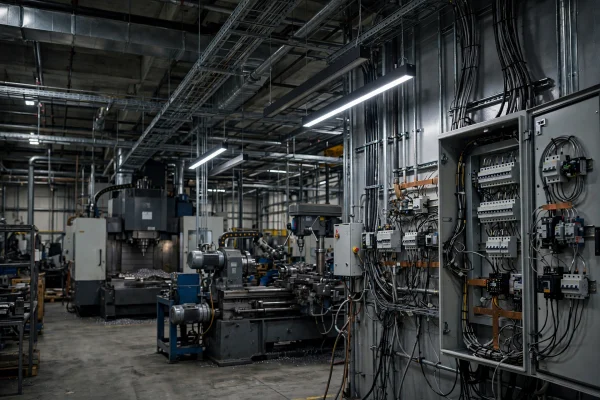
The issue could involve a circuit under excessive demand, loose electrical connections, voltage fluctuations, or a problem elsewhere in the electrical system.
If lighting problems occur alongside unusual sounds, burning odors, or other warning signs, stop using affected equipment if it is safe to do so and seek prompt professional assistance. Electrical issues should be investigated rather than dismissed as a normal part of operating a commercial building.
3. Outlets, Switches, or Electrical Panels Show Damage
Visible damage is one of the clearest reasons to arrange an electrical evaluation. Look for signs such as:
- Discolored or scorched outlets and switches.
- Melted or damaged wire insulation.
- Corrosion or visible deterioration inside electrical equipment.
- Cracked electrical enclosures or exposed wiring.
- Burning odors or unusual buzzing from electrical equipment.
These conditions may indicate overheating, moisture exposure, loose connections, or other hazards.
Do not touch exposed conductors or open electrical panels to investigate a suspected problem. If you notice smoke, active sparking, or signs of an electrical fire, evacuate the affected area and contact emergency services as appropriate.
4. Your Business Keeps Adding Equipment and Circuits
A commercial building’s electrical system should be evaluated when its use changes significantly. A space originally used for offices, for example, may later accommodate commercial kitchen equipment, refrigeration systems, workshop machinery, or manufacturing operations.
New equipment may require dedicated circuits, different voltage configurations, additional distribution capacity, or other electrical modifications.
If your business regularly adds equipment or experiences recurring circuit problems, an electrician can assess whether the existing wiring and distribution system remain suitable for the current loads.
Learn more in our guide to commercial electrical capacity for new equipment, which explains what to check before purchasing or installing additional equipment.
5. The Building Has Older Wiring or an Unclear Electrical History
The age of a commercial building alone does not determine whether its wiring needs replacement. Electrical systems can remain serviceable for many years when properly installed, maintained, and used within their design limits.
However, older buildings may contain wiring methods, electrical components, or configurations that warrant closer inspection. Previous renovations may also have introduced modifications that are not well documented.
If you own a building with limited electrical records, consider having a qualified electrician evaluate the installation, particularly before a major renovation or change in occupancy.
The assessment can help identify visible deterioration, outdated components, inadequate circuit arrangements, and other conditions that may require attention.
6. Electrical Problems Keep Returning After Repairs
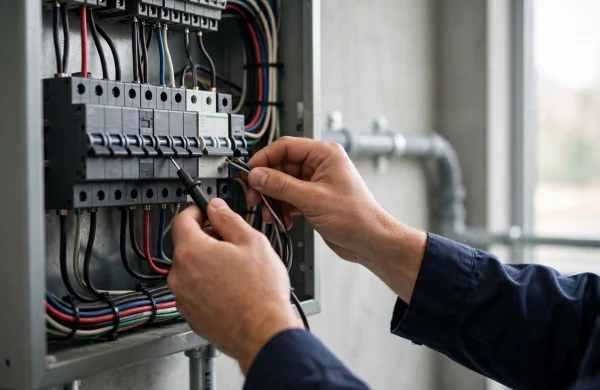
Repeated electrical issues in different parts of a building may suggest that the problem extends beyond one outlet, switch, or circuit.
For example, a business might experience recurring breaker trips, intermittent power, or repeated repairs in areas where equipment has been added over time. These issues do not automatically mean the entire building needs rewiring, but they may justify a broader evaluation.
An electrician can review the affected circuits, inspect accessible wiring and connections, and assess whether localized repairs or more extensive improvements are appropriate.
Addressing the underlying cause is more useful than repeatedly treating individual symptoms without understanding why they occur.
7. You Are Planning a Renovation or Change in Business Use
Commercial renovations offer an opportunity to evaluate electrical systems before walls are closed, equipment is installed, or new spaces become operational.
Changes such as expanding an office, converting a retail space into a restaurant, adding production areas, or remodeling a warehouse may introduce new electrical requirements.
Depending on the project’s scope, the work may involve additional circuits, relocated outlets, updated lighting, revised distribution, or replacement of wiring that is damaged or unsuitable for the planned use.
Discuss electrical requirements early in the renovation process. Coordinating this work with other contractors can help identify necessary improvements before they become more difficult to complete.
Does an Older Commercial Building Always Need New Wiring?
No. Older wiring does not automatically need to be replaced simply because of its age.
The decision depends on the wiring’s condition, installation method, electrical load, history of modifications, applicable code requirements, and intended use of the building.
In some cases, targeted repairs or circuit additions may address the problem. In others, deteriorated wiring, widespread deficiencies, or substantial changes in electrical demand may make more extensive upgrades appropriate.
A professional evaluation helps determine the actual scope of work rather than assuming every older building needs a complete rewiring.
It is also important to distinguish between a wiring upgrade and an electrical panel upgrade. Wiring upgrades address conductors, circuits, connections, and related components. Panel upgrades focus on the electrical distribution equipment and may be needed for different reasons. Some projects require both, while others need neither.
How to Plan a Commercial Wiring Upgrade
If your building shows signs of electrical problems or you are preparing for a renovation, a few planning steps can help you make informed decisions.
Document Existing Electrical Problems
Record recurring breaker trips, flickering lights, affected equipment, and the locations where problems occur. Note when the issues happen and whether they coincide with specific equipment operating.
This information can help the electrician understand the symptoms and determine what needs further investigation.
Review Current and Future Electrical Needs
Make a list of the equipment your business currently operates and any additions planned for the coming years. Include major HVAC equipment, refrigeration, production machinery, commercial appliances, and other significant electrical loads.
Consider whether the building’s layout or business activities are likely to change. This information can help guide decisions about circuit placement and future electrical improvements.
Arrange a Professional Electrical Evaluation
An electrician can assess the relevant wiring, electrical panels, circuits, and other accessible components. The inspection may also consider existing load calculations, equipment requirements, and known problems.
The exact scope depends on the building and the reason for the evaluation. Some issues can be identified through a visual inspection, while others require additional testing or investigation.
Plan the Work Around Business Operations
Commercial wiring upgrades can involve access restrictions, temporary power interruptions, equipment shutdowns, or coordination with other trades.
Discuss the proposed work schedule and operational requirements before the project begins. Depending on the facility, work may need to be phased to reduce disruption.
Permits and inspections may also apply, depending on the work and the local jurisdiction. Confirm the applicable requirements during project planning.
Why Commercial Wiring Upgrades Matter for Business Continuity
A properly maintained electrical system supports the equipment, lighting, and other services a business depends on every day.
When wiring problems go unaddressed, they can contribute to equipment interruptions, unexpected repair work, and potential safety hazards. Planning appropriate electrical improvements can help businesses address known deficiencies and prepare their facilities for changing operational needs.
The goal is not to replace wiring unnecessarily. It is to identify problems, understand the building’s electrical requirements, and complete the work needed to support safe and reliable operation.
For commercial property owners, this means considering electrical conditions as part of routine facility maintenance, renovation planning, and long-term property management.
Commercial Electrical Wiring Services in Wentzville and St. Charles County
If you manage or own a commercial property in Wentzville, O’Fallon, St. Charles County, or the surrounding Missouri area, Rolwes Electric can help you evaluate electrical concerns and plan appropriate improvements.
Whether you are dealing with recurring circuit problems, planning a commercial renovation, or assessing an older building, our commercial and industrial electrical services can help you determine the next steps for your project.
Contact Rolwes Electric to discuss your building’s electrical needs and arrange an evaluation of the work required.
FAQs: Commercial Building Wiring Upgrades
How do I know if my commercial building needs a wiring upgrade?
Frequent breaker trips, flickering lights, damaged wire insulation, overheating outlets, and recurring electrical problems may indicate that your building needs an electrical evaluation. A qualified electrician can determine whether repairs, circuit modifications, or a broader wiring upgrade are appropriate.
How often should commercial building wiring be inspected?
Inspection frequency depends on the building’s age, electrical system condition, usage, maintenance history, and applicable requirements. Inspections are particularly important when buying an older property, planning renovations, adding major equipment, or experiencing recurring electrical issues.
Does an older commercial building always need rewiring?
No. Older wiring does not automatically require replacement. The decision depends on its condition, suitability for current electrical loads, installation method, and applicable code requirements. An electrical evaluation can help determine whether targeted repairs or more extensive upgrades are needed.
What is the difference between a wiring upgrade and a panel upgrade?
A wiring upgrade involves improving or replacing wiring, circuits, connections, or related components. A panel upgrade involves changes to the electrical distribution panel. Depending on the building’s condition and electrical requirements, a project may need one, both, or neither.
Can a commercial wiring upgrade disrupt business operations?
It can. Some projects require temporary power interruptions, equipment shutdowns, or restricted access to work areas. Discussing operating hours, critical equipment, and scheduling requirements with your electrician can help plan the work and reduce disruption.
Should I upgrade the wiring before renovating my commercial building?
An electrical evaluation before renovation can help identify damaged wiring, insufficient circuits, and other issues that may affect the planned layout or equipment. Addressing necessary electrical work early can also make coordination with other contractors easier.