
If you’re planning a new build, a renovation, or a tenant improvement in Wentzville or the surrounding St. Charles County area, cost is usually one of the first questions on your mind. It’s also one of the hardest to answer with a single number, because commercial wiring costs depend on several factors specific to your building and project. Here’s how a licensed electrical contractor typically approaches it, and what actually drives the price up or down.
What Affects the Cost of Commercial Electrical Wiring
Square footage and building type. A small retail buildout requires far less wiring, panel capacity, and labor than a warehouse or multi-suite office building. Larger or more complex spaces naturally cost more to wire correctly, which is why an experienced commercial electric company will always want to see the space before quoting a number.
Existing infrastructure. A brand-new build with open walls is typically faster and less expensive to wire than a renovation, where we may need to work around existing structures, finishes, or outdated wiring that needs to be brought up to current code.
Panel and service capacity. If your building’s electrical panel or service needs to be upgraded to support new equipment, lighting, or higher load demands, that adds to the overall project cost. This is common in older commercial buildings being repurposed for new use.
Type of work involved. Basic outlet and lighting circuits cost less than specialized systems like three-phase power, dedicated equipment circuits, or integrated control systems. The more specialized the electrical need, the more it typically costs.
Permitting and inspection requirements. Commercial projects in Missouri require permits and inspections, and the cost of pulling those permits is generally factored into your overall project estimate.
Timeline and scheduling. Projects with tight deadlines or work that needs to happen after hours to avoid disrupting an active business can affect labor costs compared to a standard daytime schedule on an unoccupied space.
A General Sense of Cost Ranges
Because every project is different, we’re cautious about quoting a number without seeing the space, but general industry ranges can still be a useful starting point. Simple commercial repairs or small circuit additions often fall in the low hundreds of dollars. A tenant improvement buildout for a small retail or office space frequently runs into the thousands, depending on scope. A full electrical panel upgrade or service capacity increase can run from roughly $1,500 to $5,000 or more, depending on the size of the upgrade.
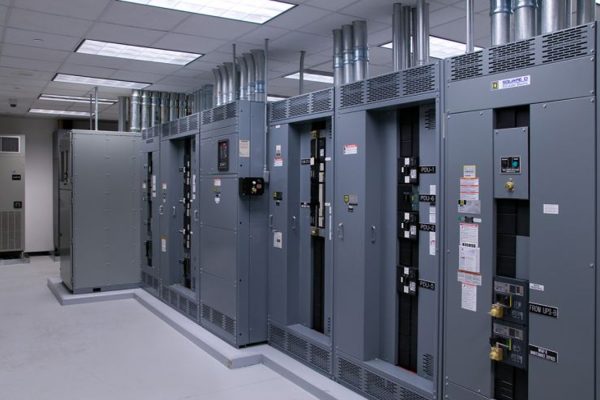
Larger new-construction or industrial-scale wiring projects can run significantly higher, since they involve substantially more materials, labor, and code requirements. Industrial facilities usually run larger electrical loads, more complex switchgear, and equipment that can’t tolerate unexpected downtime without a significant cost to the business. A single unplanned outage on a production line can be far more expensive than a similar issue in a retail space, which is why industrial electrical work leans heavily on preventive maintenance and diagnostics rather than reactive repairs.
What's Typically Included in a Commercial Wiring Estimate
A detailed estimate should break down more than just a total number. Here’s what to look for when you’re reviewing one:
- Labor costs, usually broken down by the scope of work involved rather than a flat hourly rate for the entire project.
- Materials, including wiring, panels, breakers, conduit, and any specialized equipment your project requires.
- Permit and inspection fees, which are a standard part of any commercial electrical project in Missouri.
A project timeline, giving you a realistic sense of how long the work will take from start to finish.
Any exclusions, meaning work that isn’t included in the estimate, such as drywall repair after wiring is run through a wall, or work by other trades your project might require.
An estimate that only gives you a single bottom-line number without this kind of breakdown makes it hard to compare fairly against other quotes, and makes it harder to catch scope changes if the price shifts once work begins.
Ways to Manage Cost Without Cutting Corners
If budget is a real constraint, there are still ways to manage cost responsibly rather than choosing the cheapest available bid. Phasing a larger project into stages, if your timeline allows it, can spread cost out without compromising the work itself. Being clear and specific about your actual electrical needs upfront, rather than leaving scope loosely defined, helps avoid costly change orders mid-project. And getting a few written estimates from licensed, insured contractors, rather than a single verbal quote, gives you a realistic sense of fair market pricing for your specific project before you commit.
Why the Cheapest Quote Isn't Always the Best Value
It’s tempting to compare quotes on price alone, but an unusually low bid on commercial wiring can be a sign of corners being cut, whether that’s in materials, licensing, permitting, or the scope of work actually included. Improperly wired commercial space isn’t just a code violation risk, it’s a safety issue for your employees and customers, and a potential liability for your business. We build our estimates to reflect the actual scope of the work, not the lowest number we can put on paper.
How Local Permitting Affects Your Timeline
Permitting requirements and inspection scheduling can vary depending on the specific municipality within St. Charles County, which is one reason a contractor based in the area has an advantage over one dispatched from farther away. A locally based commercial electric company generally has an established working relationship with local building departments and a clearer sense of typical inspection timelines, which can help keep your project moving instead of sitting in a permitting queue longer than expected.
The Long-Term Value of Doing It Right the First Time
It’s worth thinking about commercial wiring cost as more than just the upfront number. Electrical work that’s done correctly the first time tends to reduce the likelihood of costly rework, code violations discovered during a future inspection, or insurance complications tied to non-compliant wiring. For a business, a lower-quality installation that fails early or doesn’t hold up under real operating conditions often ends up costing more in the long run than paying a fair price for reliable work up front.
How We Handle Estimates at Rolwes Electric
We walk every commercial property in person before providing a written estimate, because an accurate number depends on seeing the actual space, existing wiring, and project scope firsthand. Our estimate breaks down labor, materials, and any permitting involved, so you know exactly what you’re paying for before work starts. We’ve provided commercial electrical services throughout Wentzville and St. Charles County for more than 11 years, and we’re fully licensed, bonded, and insured on every project we take on.
If you’re planning a commercial electrical project and want an accurate, no-obligation estimate specific to your space, we’re glad to walk through it with you.
Frequently Asked Questions
Is commercial electrical wiring more expensive than residential wiring?
Generally, yes, because commercial projects involve higher load capacity, stricter code requirements, and often more complex systems like three-phase power. The exact difference depends heavily on the specific project scope for each.
Do I need a permit for commercial electrical wiring in Missouri?
Yes, commercial electrical work typically requires permits and inspections through the local municipality. A licensed contractor should handle the permitting process as part of the project rather than skipping it to save time.
How long does a commercial wiring project usually take?
Timelines vary widely based on the size and complexity of the space, from a few days for a small buildout to several weeks for a larger new-construction project. A detailed estimate will typically include a project timeline specific to your space.
Can I get financing or a payment plan for a large commercial electrical project?
This depends on the contractor and the scope of the project. It’s worth asking directly during your estimate, since larger commercial projects sometimes allow for progress payments tied to project milestones rather than a single lump sum.