
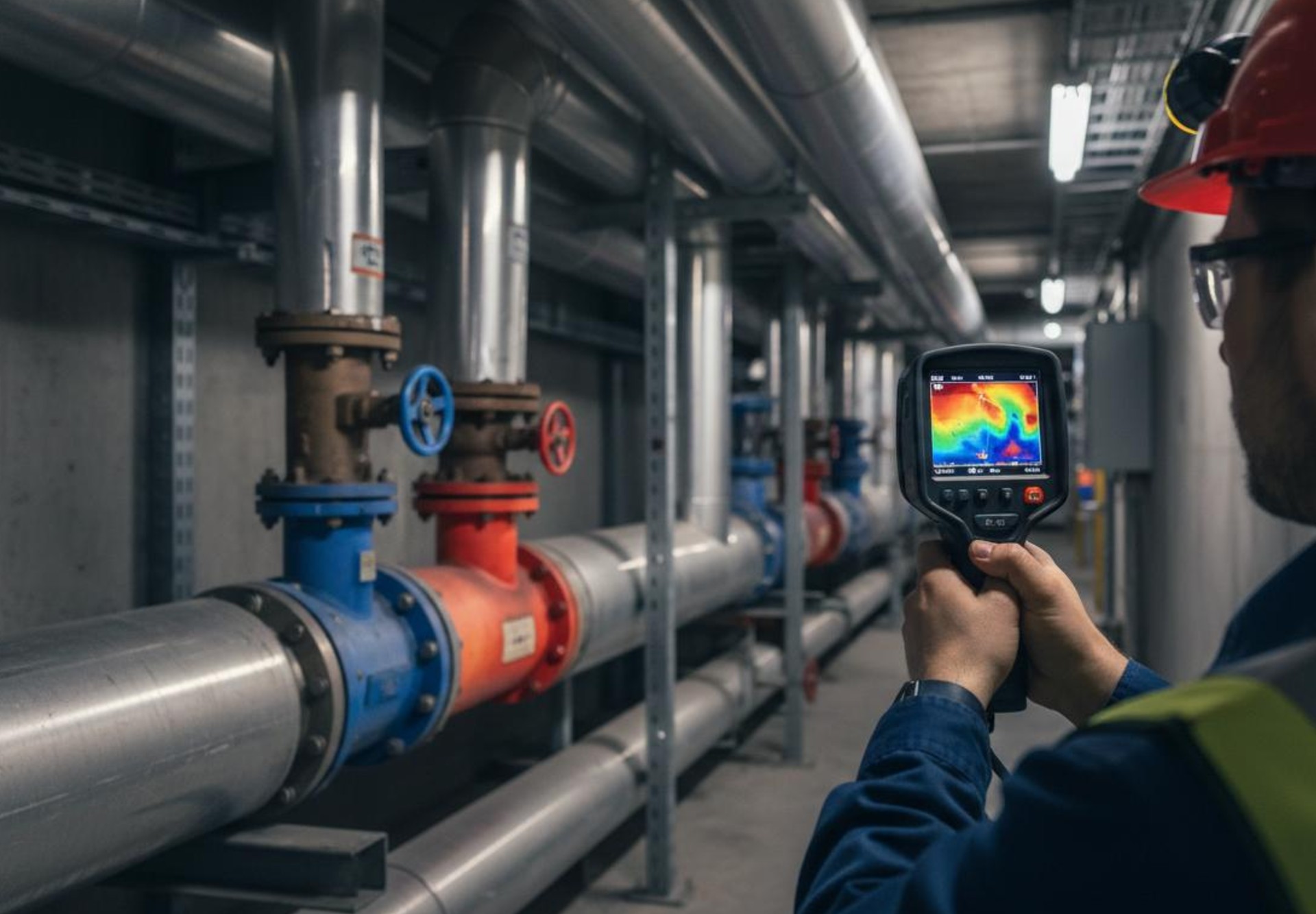
Most commercial and industrial facilities should schedule a thermal imaging inspection of their electrical systems at least once every 12 months. Facilities with critical equipment, older systems, heavy loads, or recent problems often scan every six months or more often. Scan again after major changes, such as new equipment, a panel upgrade, or repeated breaker trips.
This follows NFPA 70B, the standard for electrical equipment maintenance. As of its 2023 edition, it calls for assets designated for thermal inspection to be checked at least every 12 months, with the scan done at no less than 40 percent of normal circuit loading. Whether a thermal scan is a legal requirement for your building depends on your jurisdiction, your insurer, and your contracts, so it is worth asking all three.
Below is a practical guide to choosing the right schedule for your business, what a good scan includes, and how to get the most from it.
What Thermal Imaging Finds in a Commercial Electrical System
A thermal imaging inspection uses an infrared camera to show heat that the eye cannot see. A loose connection, overloaded breaker, or failing component runs hotter than its neighbors long before it fails. A scan makes those hot spots visible so they can be fixed on your schedule instead of during an outage.
Common findings include:
– Loose or corroded connections at breakers, lugs, and terminals
– Overloaded circuits and unbalanced loads
– Failing breakers and contactors
– Overheating motors and starters
– Problems in switchgear, disconnects, and transformers
Heating and cooling cycles and equipment vibration can loosen connections over time, which is one reason a single clean scan does not guarantee a clean scan next year.
A Simple Schedule by Type of Facility
Use this as a starting point, then adjust for your equipment and risk.
– Offices, retail, and standard commercial buildings: at least once a year
– Restaurants, grocery, medical offices, and refrigeration-heavy operations: once a year at minimum, and many choose every six months because an outage costs product or patients
– Manufacturing, processing, and 24/7 operations: every six months, or more often for critical equipment
– Server rooms and facilities with sensitive equipment: every six months or more, based on how costly downtime would be
– Buildings with equipment over 25 years old, or past hot spots: every six months until the system is stable
– New tenants, new equipment, or recent panel or service work: scan once the new load is running, then add the building to your regular schedule
When in doubt, start with once a year and add scans where a failure would hurt most.
When to Scan Sooner Than Your Schedule
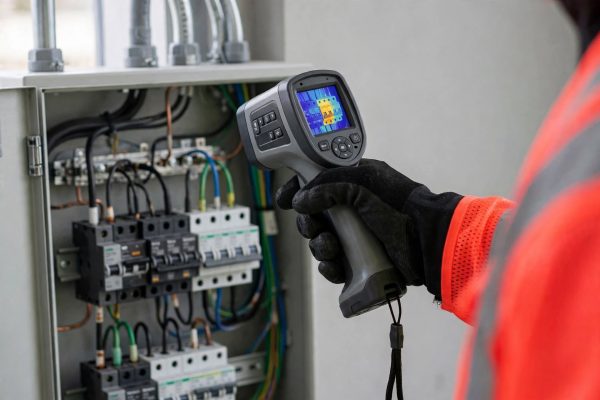
Do not wait for the next annual scan if any of these apply:
– Breakers keep tripping or feel warm
– You smell burning or notice discoloration around a panel or disconnect
– Lights flicker or dim when equipment starts
– You added major equipment, refrigeration, or a new tenant
– An insurer, lender, or buyer asks for an inspection report
– You completed a panel or service upgrade and want a baseline
– A previous scan found a hot spot, and you want to confirm the repair held
If you see smoke, sparks, or flames, leave the area and call 911 instead of scheduling anything.
Why Load Matters: Timing the Scan
A thermal scan only works when current is flowing. A connection that is dangerously loose can look perfectly normal when little power is moving through it. That is why NFPA 70B calls for scanning at no less than 40 percent of normal circuit loading, and doing it the same way each time so results can be compared year to year.
Practical tips:
– Schedule the scan during normal business hours, not on a weekend or after hours when the load is low
– Book it before your busiest season, such as summer cooling or holiday retail, so problems are fixed before demand peaks
– Tell your electrician when your equipment typically runs at full load
What a Good Thermal Imaging Inspection Includes
A useful scan is more than a few colorful photos. Look for:
– A qualified technician using a properly rated infrared camera
– Scans of panels, switchgear, disconnects, motor controls, and critical equipment
– A record of the load conditions at the time of the scan
– Thermal and standard photos of each finding, labeled by equipment
– Temperature differences and a severity ranking for each issue
– Clear repair recommendations and priorities
– A written report you can share with your landlord, insurer, or manager
Safety matters too. Inspecting energized equipment is work for trained professionals with proper protective equipment. Some facilities install infrared inspection windows so panels can be scanned without removing covers.
What Happens After a Hot Spot Is Found
A finding is not automatically an emergency. A good report ranks issues by severity so you know what needs immediate attention and what can be scheduled.
Typical next steps:
- Fix the most serious issues first, such as loose lugs or failing breakers
- Schedule lower-priority repairs during planned downtime
- Rescan the repaired equipment under load to confirm the problem is gone
- Keep the reports and photos so you can compare year to year
Over time, your scan history shows which equipment is trending worse and where to invest before a failure.
Insurance and Compliance: What to Ask
NFPA 70B has been a full standard since its 2023 edition, but whether it is legally required for your facility depends on who has adopted it. Ask these questions:
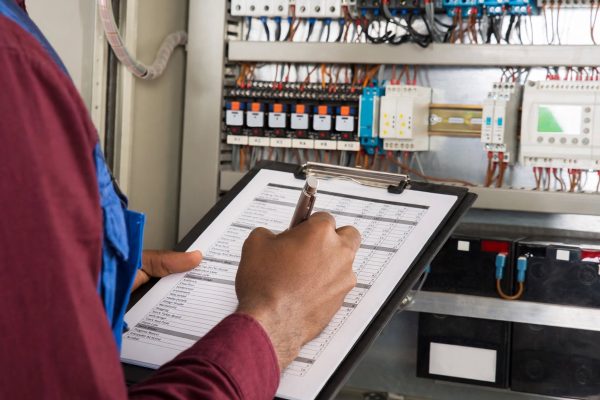
– Does my insurer require or discount for regular thermal inspections?
– Does my lease or lender require inspection records?
– Does my local building or fire authority reference NFPA 70B?
– Does my industry have additional maintenance requirements?
Keeping dated scan reports on file gives you a clear answer to any of them. This is general information, not legal advice, so confirm requirements with your insurer and local authorities.
How to Prepare for a Thermal Imaging Visit
– Pick a time when the building is operating normally and equipment is running
– Make sure panels and equipment are accessible, with the area in front of them clear
– Share your panel locations, single-line diagrams if you have them, and any known problem areas
– Let staff know the visit is happening, since panel covers may need to be opened
– Plan for a short period of access to electrical rooms
– Ask for the report format you need for your insurer or landlord
Thermal Imaging for Businesses in Our Service Area
Rolwes Electric provides thermal imaging for commercial and industrial facilities in St. Charles County, Lincoln County, and Warren County. Whether you manage a restaurant, an office, a warehouse, or a light industrial facility, we can build a scan schedule that fits your equipment and your calendar, and combine it with panel evaluations and backup power planning.
Related reading: the warning signs your commercial electrical panel needs an upgrade.
Thermal Imaging Frequency: Frequently Asked Questions
How often should a business get thermal imaging done?
At least once every 12 months for most commercial and industrial facilities. Critical or older systems are often scanned every six months or more often.
Is thermal imaging required by law?
Not universally. NFPA 70B, the standard for electrical equipment maintenance, calls for periodic thermal inspection, but legal requirements depend on your jurisdiction, insurer, and contracts. Ask your insurer and local authorities.
Why does the scan need to happen under load?
A loose or overloaded connection only heats up when current flows. NFPA 70B calls for scanning at no less than 40 percent of normal circuit loading, so schedule it during normal operations.
Does a thermal imaging inspection shut down my business?
Typically no. The equipment is scanned while it is energized and operating, though panel covers may need to be opened by a qualified technician.
What is the difference between a thermal scan and a panel inspection?
A thermal scan detects heat patterns under load. A panel inspection also checks brand, age, labeling, breaker sizes, corrosion, and capacity. Many businesses combine them.
What should I do if the scan finds a hot spot?
Review the severity ranking in the report, repair the most serious items first, and rescan under load to confirm the fix.
How long does a thermal imaging inspection take?
It depends on the number of panels and equipment. A small building may take a short visit, while larger facilities take longer. A walkthrough gives you a clear estimate.
How do I schedule a thermal imaging inspection?
Call Rolwes Electric at 314-249-5563 or use the contact form. We will review your facility and recommend a schedule.