
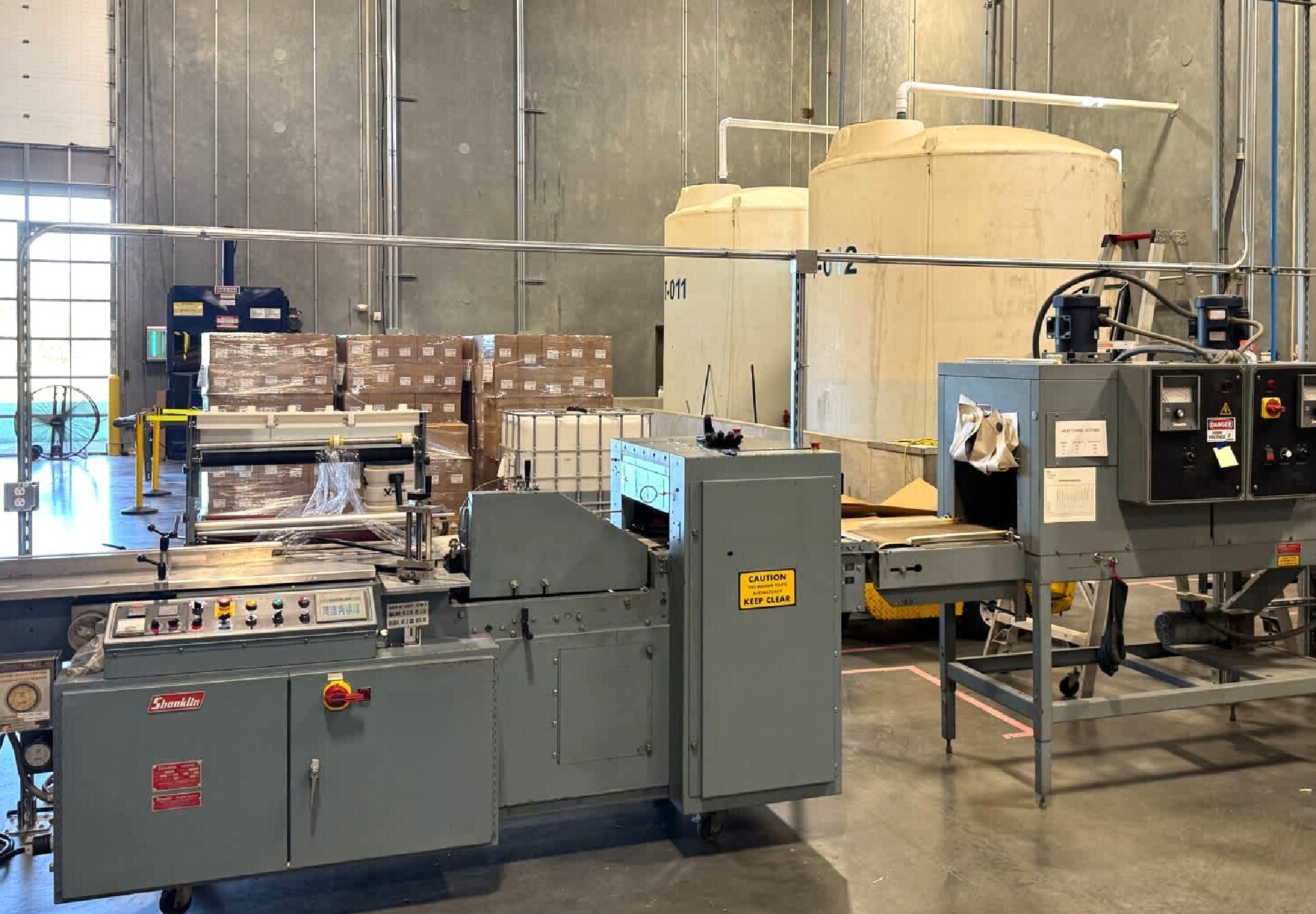
Rolwes Electric recently installed new electrical distribution panels and a transformer at a manufacturing facility, along with a custom strut rack that routes conduit above and alongside production equipment. The goal was a clean, organized installation that supports industrial operations and is easy to service. Here is what we installed, why each piece matters, and what to plan for if your plant needs a similar upgrade.
What We Installed
Distribution panels
A distribution panel takes power from a larger source and divides it into protected circuits that feed machinery, lighting, and controls. Each circuit has a breaker that protects the wiring and the equipment on it. In a plant, well-organized panels make it easier to isolate equipment for maintenance and to add circuits as production changes.
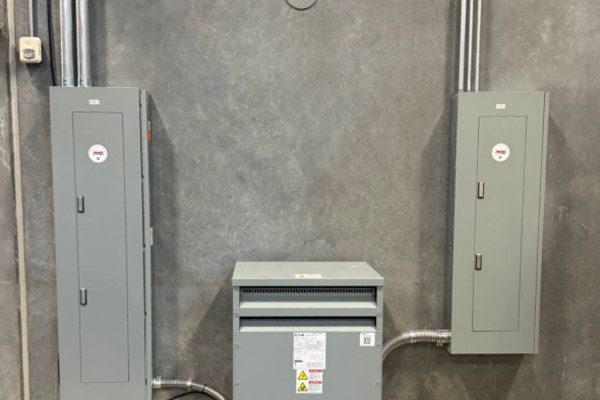
Transformer
A transformer changes electrical power from one voltage to another so equipment receives what it needs. Plants often use transformers to supply panels that feed lighting, controls, and smaller loads at the right voltage. Placing it close to the panels it serves keeps connections short and easy to inspect.
Custom strut rack
Strut is metal channel that holds conduit in straight, supported runs. We built a custom strut rack so conduit travels above and alongside production equipment in an organized path. That keeps it off the floor, away from moving equipment, and easy to follow when someone needs to trace a circuit.
Why Clean, Organized Installations Matter in a Plant
Neat work is not just about looks. In a manufacturing facility it affects how safe, reliable, and flexible the electrical system is.
– Safety: conduit and equipment kept clear of walkways and moving machinery are less likely to be damaged
– Faster troubleshooting: when runs are straight and labeled, a maintenance team can find the problem faster, which cuts downtime
– Easier expansion: a planned strut rack has room to add conduit when equipment is added, without starting over
– Cleaner inspections: organized, accessible work is easier for an inspector to review
– Longer equipment life: supported conduit and properly placed panels reduce strain on connections over time
Good craftsmanship also pays off years later, when someone other than the original installer has to work on the system.
Planning Electrical Work Around Production
A plant cannot always stop for an electrical project, so the schedule matters as much as the materials. On any industrial job, planning usually includes:
– Walking the area with plant maintenance to agree on a work plan
– Phasing the work so as much as possible happens while production continues
– Scheduling shutdowns only for the final connections, with the outage window agreed in advance
– Following lockout and tagout procedures so equipment is de-energized and verified before anyone works on it
– Keeping the work area clear and safe for people and equipment around it
Only qualified electricians should work on energized or potentially energized equipment, and panels and transformers have to be installed with the working clearances and labeling that code requires.
What to Ask Before a Distribution or Transformer Upgrade
If your plant is planning new panels, a new transformer, or added equipment, ask these questions early:
– How much capacity do we need today, and how much do we want to leave for growth?
– What voltages do the new and existing machines require?
– Where should panels and the transformer sit, and will there be enough working space in front of them?
– How will conduit be routed, supported, and labeled, and does the plan leave room to add more later?
– What permits and inspections apply, and who handles them?
– What shutdown windows can production accept, and how long will each one last?
– What documentation will we receive when the job is done, such as labeled panel schedules and photos?
After the Install: Baseline Checks and Maintenance
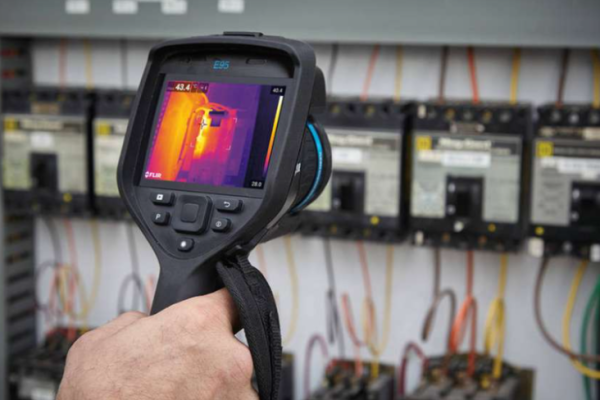
A new installation is the best time to set a baseline. Once the equipment is running under normal load, a thermal imaging inspection can show the starting temperature of connections, so you can compare future scans against it. Make sure panels are labeled, panel schedules are updated, and the work area stays clear.
Related reading: how often to schedule thermal imaging for your facility, and the warning signs a panel needs an upgrade.
Meet the Crew
Special thanks to Colton for his hard work and dedication on this installation. Clean, organized work like this comes from people who care about the details, and that is the quality we aim for on every project.
We invest in our people, from apprentices to experienced electricians. Read how one of our apprentices earned recognition from the IEC of Greater St. Louis.
Industrial Electrical Support Across Our Service Area
Rolwes Electric provides industrial electrical services, including facility power, equipment tie-ins, and maintenance, from our home base in Wentzville, MO. We work with manufacturers and industrial facilities in St. Charles County, and we also serve Lincoln County and Warren County. Learn more about our industrial electrical services, or see our guides for Lincoln County and Warren County.
Manufacturing Electrical Installation: Frequently Asked Questions
What does an electrical distribution panel do in a manufacturing facility?
It takes power from a larger source and divides it into protected circuits that feed machinery, lighting, and controls. Each circuit has a breaker that protects wiring and equipment.
What does a transformer do?
A transformer changes electrical power from one voltage to another so equipment gets the voltage it needs.
Why use a strut rack for conduit?
Strut holds conduit in organized, supported runs. That keeps conduit clear of moving equipment and walkways, makes circuits easier to trace, and leaves room to add more later.
Can electrical distribution be upgraded without shutting down production?
Often much of the work can happen while production continues, with planned outages for the final connections. Phasing and an agreed shutdown window make the difference.
Do I need a permit to install panels and a transformer?
Most commercial and industrial electrical work requires permits and inspections. Confirm the requirements with your local building department, and ask your contractor who will pull permits and schedule inspections.
How do I know if my plant needs more electrical capacity?
Common signs include breakers that trip repeatedly, a panel with no open spaces, panels that run warm, and new equipment on the way. A load review by an electrician can confirm it.
Does Rolwes Electric do industrial electrical work?
Yes. We provide industrial electrical services including facility power, equipment tie-ins, and maintenance, and we also offer commercial electrical work, control systems, thermal imaging, and generator installation.
How do I get a quote for a plant electrical project?
Call Rolwes Electric at 314-249-5563 or use the contact form. We will walk the site and send a written scope.
Planning an Electrical Upgrade at Your Facility?
Tell us about your equipment, your timeline, and how much downtime you can accept. We will walk the site and send a clear written scope.